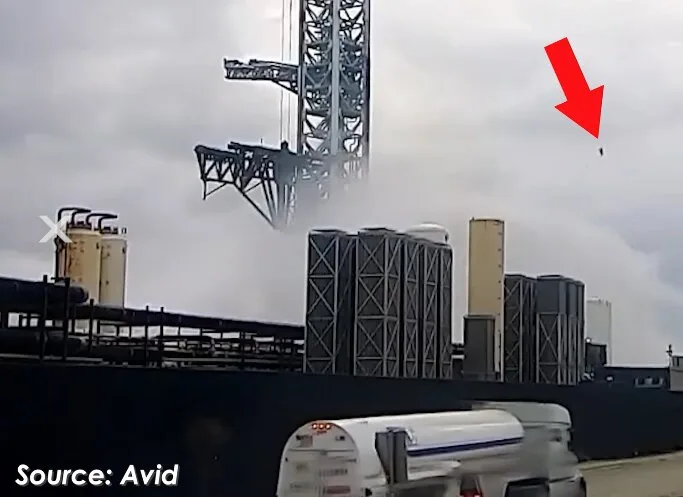
SpaceX's highly anticipated Starship Flight 12 is facing a likely delay into late May following an unexpected explosion at the company's new Orbital Launch Pad 2. During a recent high-volume deluge test, a methalox gas generator - responsible for supplying high-pressure nitrogen to the pad's water deluge system - catastrophically failed. The blast sent roof panels and various debris flying across the facility, forcing engineers to reassess the immediate launch timeline. For space enthusiasts and aerospace analysts tracking SpaceX's rapid iteration cadence, this incident pushes the previously targeted May 12 launch back by an estimated one to two weeks.
Despite the dramatic visual of the explosion, initial assessments indicate that the core infrastructure remains intact. There appears to be no major structural damage to the launch pad itself or the critical flame trench beneath it. The destruction was largely isolated to the specific gas generator unit, along with some overhead cover and surrounding roofing materials. This localized damage is a silver lining for the engineering team, as repairing a secondary support system is significantly faster than rebuilding primary pad infrastructure.
Footage of the incident quickly circulated online, with observers noting the sudden and violent nature of the blast. As noted in a social media post capturing the event, the explosion caught onlookers off guard during what was supposed to be a routine pressure test. SpaceX relies heavily on these deluge systems to dampen the immense acoustic energy and heat generated by the Super Heavy booster's Raptor engines, making the nitrogen supply system a critical component for a safe liftoff.
The Cost of Rapid Iteration
This latest setback highlights the inherent risks of SpaceX's aggressive testing methodology, where pushing hardware to its absolute limits often results in localized failures. Because the damage was confined to the methalox gas generator and overhead roofing rather than the flame trench, the one-to-two-week delay is relatively minor in the grand scheme of orbital testing. However, it underscores the immense engineering challenge of managing high-pressure systems required for the world's most powerful rocket. As SpaceX prepares for Flight 12, ensuring the reliability of the deluge system will be paramount to preventing catastrophic acoustic damage to the pad during the actual launch.