Firefly Aerospace Advances Alpha Flight 7 Preparations
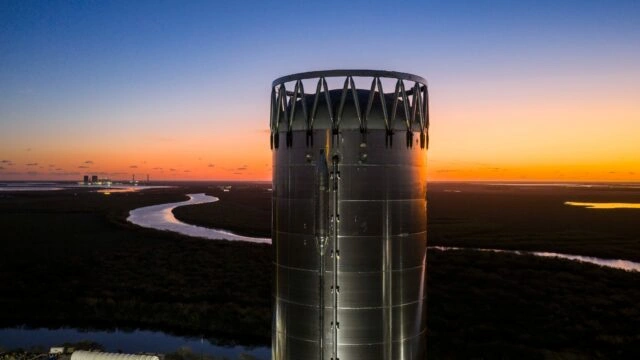
Firefly Aerospace, based in Los Angeles, California, is ramping up efforts for its next Alpha rocket launch, designated Flight 7 and named 'Stairway to Seven.' This mission represents a dedicated return-to-flight effort following previous tests, positioning the company as a nimble player in the competitive small satellite launch market.
The Alpha rocket, Firefly's flagship vehicle, has demonstrated reliability in prior flights, delivering payloads to orbit with a focus on rapid responsiveness. Flight 7 builds on this foundation, aiming to solidify Alpha's track record. Engineers at Firefly's Cedar Park, Texas facilitythough the announcement stems from Los Angeles operationsare conducting final integrations and checks to ensure mission success.
Background on Firefly's Alpha Program
Since its founding in 2017, Firefly has emphasized agile launch capabilities for the New Space economy. The Alpha rocket, standing about 29 meters tall, boasts a payload capacity of up to 1,000 kg to low Earth orbit. Past flights, including Flight 6 in 2025, validated reusability elements and customer payload deployments. 'Stairway to Seven' signals Firefly's ambition to chain successes, potentially enabling more frequent launches.
Why this matters: Consistent successes like Flight 7 lower barriers for small satellite operators, from Earth observation firms to research institutions. It democratizes access to space, reducing reliance on larger providers like SpaceX or Rocket Lab.
Mission Objectives and Technical Highlights
- Payload Integration: While specifics remain under wraps, the mission will carry dedicated customer payloads, emphasizing Firefly's ride-sharing model.
- Return-to-Flight Focus: Post any anomalies in prior missions, Flight 7 incorporates enhanced avionics and propulsion tweaks for improved performance.
- Launch Site: Likely from Vandenberg Space Force Base or Wallops Flight Facility, optimizing for polar or sun-synchronous orbits.
A realistic scenario unfolds for a university research team launching a constellation of CubeSats via Alpha Flight 7. These tiny satellites could monitor Earth's climate patterns, providing real-time data on atmospheric changesdirectly benefiting scientists tracking phenomena like urban heat islands from space.
Why This Matters for Astronomy and Earth Observation
In the [Astronomy earth] category, Firefly's progress ties into broader efforts to bolster Earth-facing astronomy and observation. Alpha's precision deployment capabilities support telescopes and sensors orbiting Earth, capturing data on auroras, geomagnetic storms, and terrestrial phenomena. For astronomers, reliable rideshares mean more instruments in orbit, accelerating discoveries about our planet's interaction with solar activity.
Human-centric impact: Researchers like Dr. Maria Gonzalez, leading a nanosat project for auroral studies, gain affordable access. "Firefly's Alpha changes the game," she notes, allowing her team to focus on science rather than launch logistics.
Forward-Looking Implications
Success in Stairway to Seven could propel Firefly toward its medium-lift Eclipse vehicle, expanding to heavier payloads by 2027. This trajectory intensifies competition, pressuring incumbents to innovate. For the space industry, it forecasts a future of weekly small launches, fueling growth in astronomy missionsfrom exoplanet surveys to Earth resource mapping.
Challenges persist: Regulatory approvals from the FAA and weather windows demand precision. Yet Firefly's track record suggests resilience. As preparations peak on February 10, 2026, eyes turn skyward for another step in commercial spaceflight's ascent.
Firefly's commitment underscores a pivotal shift: Space is no longer elite-domain but a highway for innovation, with Flight 7 paving the way.
This article was written by AI from reporting by spacedaily.com.