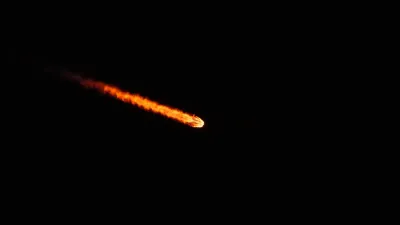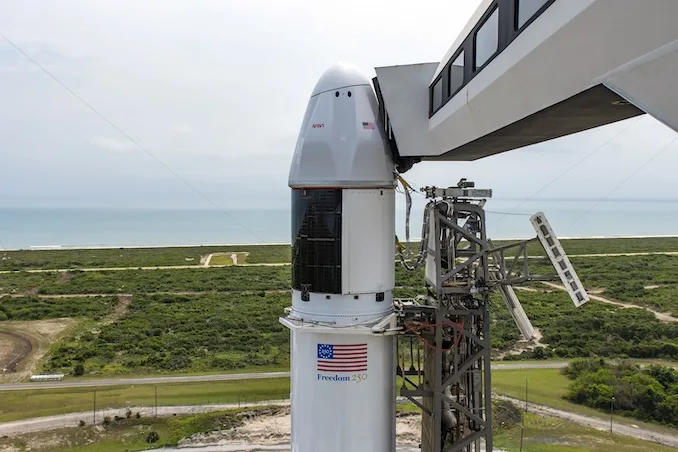
SpaceX has successfully launched its Cargo Dragon spacecraft, delivering 6,500 pounds of critical science and supplies to the International Space Station (ISS) after a series of weather-related delays. The SpaceX CRS-34 launch lifted off atop a Falcon 9 rocket from Space Launch Complex 40 (SLC-40) at Cape Canaveral Space Force Station at 6:05 p.m. EDT on Friday.
Funded by NASA's Commercial Resupply Services (CRS) contracts, the mission faced setbacks earlier in the week. A slow-moving weather front brought thick clouds and thunderstorms to central Florida, forcing scrubs on Tuesday and Wednesday - the latter halted just 28 seconds before liftoff due to lightning-triggering anvil clouds. The delay to Friday allowed ground crews to refresh "late load" items with short shelf lives before taking advantage of a 90-percent favorable weather window.
Mission Milestones and Historic Reusability
The CRS-34 launch was not just a routine supply run; it marked several significant technical milestones for SpaceX's rapidly maturing reusable architecture.
- Historic Capsule Reuse: Cargo Dragon C209 became the first uncrewed spacecraft to launch for a sixth time, having previously flown the CRS-22, -24, -27, -30, and -32 missions. It is the second Dragon-2 overall to reach this milestone, following the Crew Dragon Endeavour.
- Booster Recovery: Less than eight minutes after liftoff, Falcon 9 first-stage booster B1096 returned to Landing Zone 40 (LZ-40). This marked the booster's sixth flight and SpaceX's 108th on-shore landing across its four pads.
- Orbital Chase: The capsule separated from the second stage 9.5 minutes into the flight, initiating a 37-hour orbital pursuit.
The Cargo Dragon is scheduled to dock with the orbiting outpost at approximately 7:05 a.m. EDT (1105 UTC) on Sunday, May 17.
The Economics of Six Flights
The fact that Cargo Dragon C209 is now executing its sixth orbital mission represents a quiet but monumental shift in aerospace logistics. While the industry has grown accustomed to Falcon 9 boosters landing and flying again, pushing the uncrewed Dragon capsule to a sixth flight proves that the thermal protection systems and structural integrity of these vehicles degrade far slower than initially anticipated.
For NASA, this translates directly into supply chain security. By relying on a proven, multi-flight capsule, the agency avoids the manufacturing bottlenecks that plague expendable systems. As the ISS enters its final years of operation, SpaceX's ability to reliably cycle the same hardware ensures that critical scientific research continues uninterrupted, setting a robust precedent for future commercial space stations.
This article was written by AI from reporting by spaceflightnow.com.