The harsh Mars colonization reality has prompted acclaimed science fiction author Kim Stanley Robinson to dismiss billionaire settlement claims as pure fantasy. Reflecting on his seminal novel Red Mars, which begins its timeline in 2026, Robinson highlights the lethal scientific hurdles that make immediate planetary migration impossible. Writing in a recent editorial for New Scientist, the author contrasts the optimistic planetary science of the 1990s with the brutal realities uncovered by modern rovers.
For space enthusiasts and aerospace engineers, this reality check from one of the genre's most rigorously scientific authors reframes the timeline of human spaceflight. It underscores that surviving on the Red Planet will require solving fundamental biological and chemical threats before any large-scale settlement can be considered. The broader context of this critique targets the modern commercial space industry, where ambitious timelines for Martian cities often gloss over the physiological limits of the human body.
The Lethal Reality of Martian Soil and Space
When Robinson penned his trilogy between 1989 and 1991, data from the 1969 Mariner fly-bys and 1976 Viking landers presented Mars as a pristine, albeit empty, candidate for terraforming. Scientists at the time even hypothesized transferring nitrogen from Saturn’s moon Titan to build a breathable Martian atmosphere. However, Robinson notes that subsequent discoveries have drastically altered this optimistic outlook.
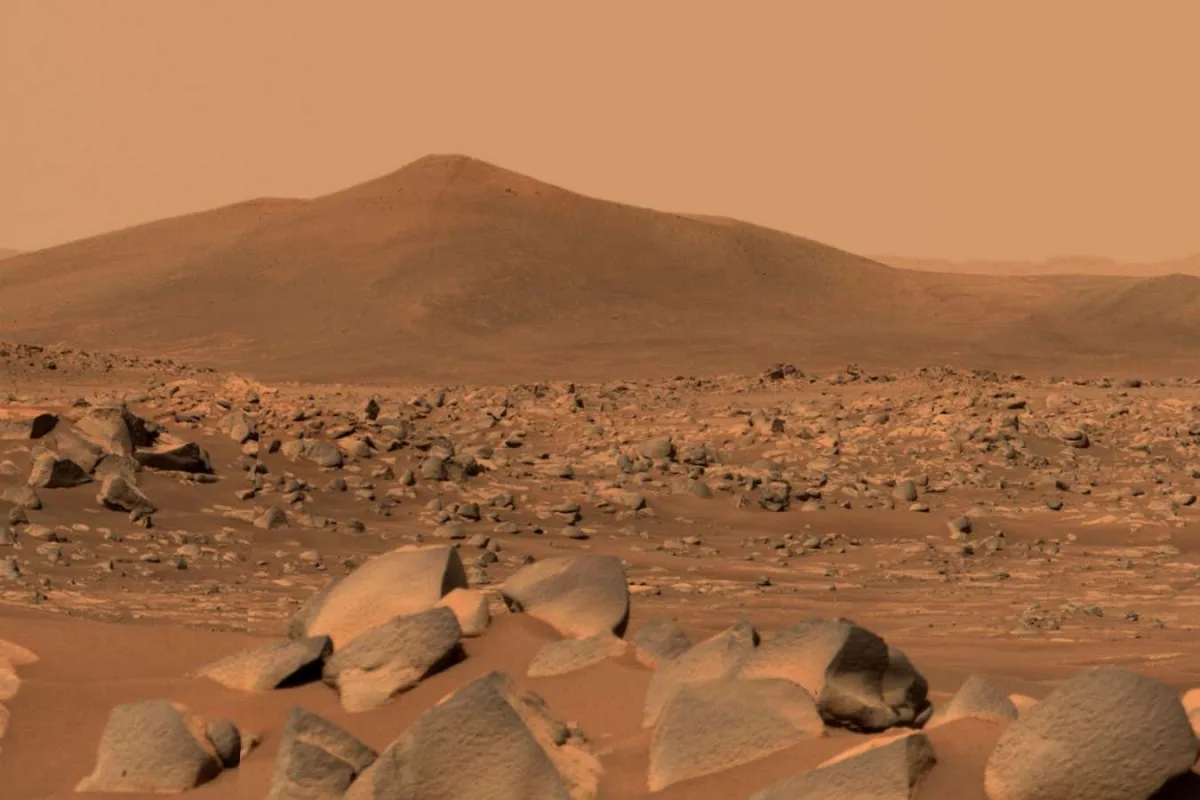
Rovers deployed in the early 2000s revealed that Martian sand is heavily laced with perchlorates in the parts-per-hundred range. Because these chemical compounds are highly toxic to humans even in the parts-per-million range, the planet's surface is fundamentally poisonous. Furthermore, Robinson points out that unblocked cosmic radiation severely damages mammal brains, while the lighter-than-Earth gravity presents long-term physiological dangers.
The Antarctica Model and Earth's Priority
Due to these extreme biological hazards, Robinson explicitly labels the bold colonization claims made by contemporary billionaires as a "fatuous fantasy." Instead of sprawling cities, he predicts that human presence on Mars will closely resemble current operations at Antarctica's McMurdo Station. Scientists might endure one- or two-year deployments, accepting inevitable health degradation for the sake of research, before returning to Earth.
This realistic model mirrors the early Underhill settlement depicted in the third and fourth chapters of Red Mars. Robinson emphasizes that humanity must first resolve the ecological and climate crises poisoning Earth before off-planet migration becomes a viable project. Any full-scale terraforming effort would require a timeline spanning thousands of years.
Prescient Predictions and the Legacy of Red Mars
Despite the shifting scientific landscape, Robinson’s novel accurately forecasted several major geopolitical and technological trends for the 2020s. The author successfully predicted the rise of China and India, alongside the geopolitical struggles of the US and Russia. He also foresaw the severe ecological and economic dangers currently hammering Earth.
Technologically, the book anticipated modern innovations, including a precursor to the platform YouTube and wearable AI. Robinson specifically highlights the character John Boone, whose Dick Tracy-style wristwatch featured a talking artificial intelligence named Pauline. The novel also remains celebrated for its deep roster of characters, including Nadia, Maya, Frank, Sax, and Ann, whose interpersonal and political struggles drive the narrative.
My Take
Robinson’s blunt dismissal of imminent Mars colonization serves as a necessary grounding for an aerospace industry increasingly driven by hype. By highlighting the specific toxicity of perchlorates - a detail often omitted from billionaire pitch decks - he exposes the massive gap between rocket engineering and human biology. Getting a massive payload to Mars is a physics problem, but keeping humans alive in toxic dirt under cosmic radiation is a fundamentally unresolved biological crisis.
The comparison to Antarctica's McMurdo Station is the most logical blueprint for near-term Martian exploration. It shifts the narrative from permanent, self-sustaining cities to temporary, high-risk scientific outposts. This model acknowledges the severe health costs of deep space habitation while still allowing for the pursuit of planetary science without relying on miraculous technological leaps.
Ultimately, Robinson’s reflections on Red Mars in 2026 prove that the best science fiction does not just predict the future; it diagnoses the present. His insistence that Earth's ecological survival must precede Martian terraforming is a stark reminder that we cannot engineer our way out of a dying home planet by simply fleeing to a more hostile one.
This article was written by AI from reporting by newscientist.com.