NASA's Artemis II mission has successfully concluded, marking a monumental milestone in lunar exploration as engineers begin dissecting the flight data. Following a flawless splashdown in the Pacific Ocean on April 10, 2026, early analysis confirms that critical systems across the Orion spacecraft, the Space Launch System (SLS) rocket, and the Kennedy Space Center launch infrastructure performed remarkably well. This success paves the way for sustained lunar exploration and eventual crewed missions to Mars.
The mission's completion provides vital telemetry for the agency, validating the structural and thermal integrity of next-generation spaceflight hardware under real-world conditions. Teams are now meticulously examining how the launch and reentry forces impacted the vehicle to ensure absolute safety for future astronauts.
Orion Spacecraft and Heat Shield Performance
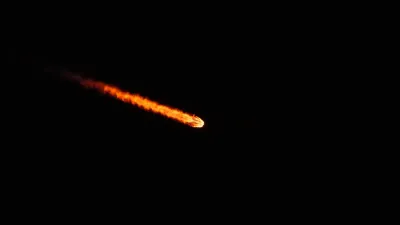
The Orion spacecraft completed a staggering 694,481-mile journey around the Moon before reentering Earth's atmosphere at nearly 35 times the speed of sound. Initial inspections of the thermal protection system indicate the heat shield performed exactly as designed. Divers capturing underwater imagery after the San Diego splashdown noted that the charring observed during the previous Artemis I mission was significantly reduced in both size and volume.
These findings align perfectly with arc jet ground testing predictions conducted after the uncrewed flight. Orion's landing precision was also notable, touching down just 2.9 miles from its target coordinates. Engineers confirmed the entry velocity was within one mile per hour of pre-flight predictions.
The ceramic tiles on the upper conical backshell performed as expected. Reflective thermal tape, which is explicitly designed to burn away during reentry to regulate space temperatures, remains visible in several areas.
Post-Flight Inspections and Hardware Recovery
The crew module is slated to return to the Multi-Payload Processing Facility at NASA Kennedy this month for de-servicing. Engineers will extract flight data, remove reusable avionics, and neutralize hazards like excess fuel and coolant. Later this summer, the heat shield will be transported to NASA’s Marshall Space Flight Center in Huntsville, Alabama, where teams will conduct internal X-ray scans to analyze material responses.
Recovery teams in San Diego have already removed several components for future reuse, including seats, video processing units, camera controllers, and suit umbilicals from the Orion Crew Survival System. Additionally, engineers are actively investigating a urine vent line issue that occurred during the flight, gathering data to implement fixes ahead of the next launch.
SLS Rocket and Launch Pad Upgrades
The SLS rocket delivered Orion to its intended trajectory with exceptional accuracy. At main engine cutoff, the RS-25 engines shut down while the spacecraft was traveling at over 18,000 miles per hour, hitting its target orbital insertion point precisely.
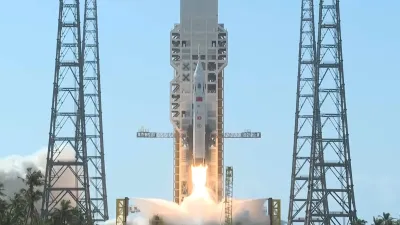
Ground systems also demonstrated significant resilience. Upgrades implemented after Artemis I protected key components from the intense forces of liftoff. Reinforced elevator doors and flexible gaseous distribution panels at the base of the mobile launcher minimized damage.
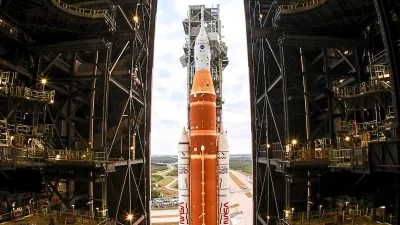
Additional protective barriers allowed systems managing air, gas, cooling, and water flow to remain fully operational post-launch. The mobile launcher has since returned to the Vehicle Assembly Building for repairs and future mission preparation.
Accelerating the Timeline for Lunar Surface Return
The flawless execution of the Artemis II test flight is a definitive green light for NASA's ambitious deep-space roadmap. By successfully mitigating the heat shield charring issues seen in Artemis I and proving the pinpoint accuracy of the SLS rocket, the agency has significantly reduced the engineering risks for future crewed flights.
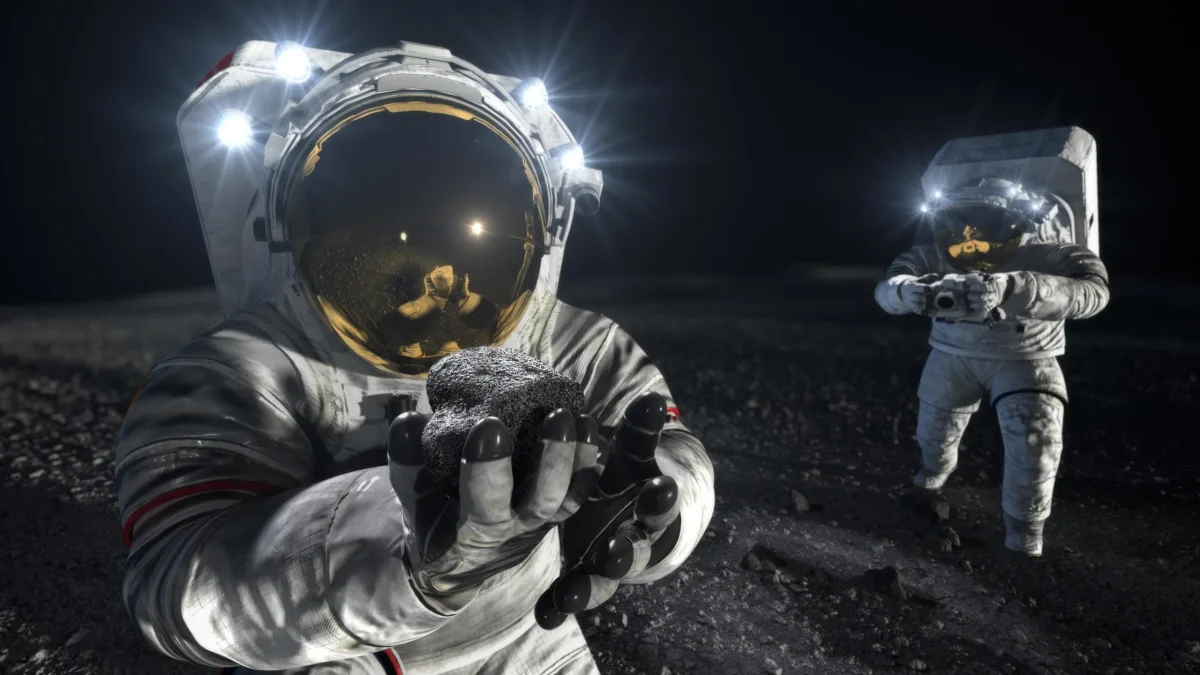
The data gathered from this mission directly supports the targeted 2027 launch of Artemis III, which aims to return humans to the lunar surface by 2028. Furthermore, the rapid recovery and planned reuse of Orion's internal hardware signal a crucial shift toward the sustainable, cost-effective spaceflight operations necessary for eventual Mars expeditions.
This article was written by AI from reporting by scitechdaily.com.