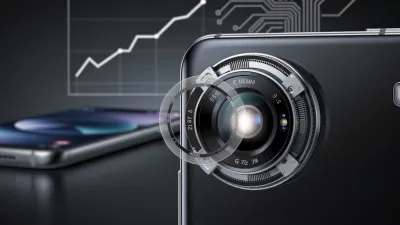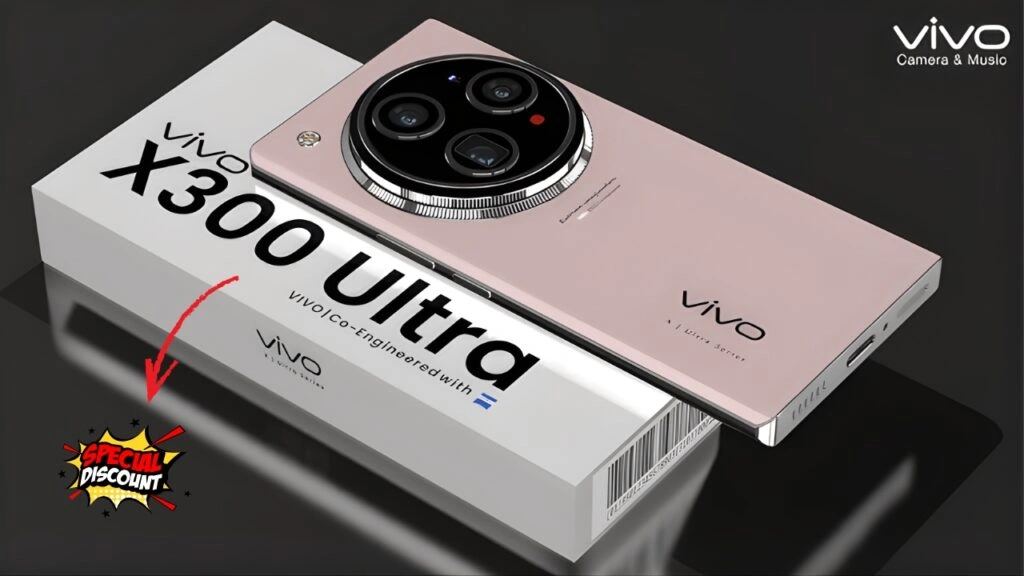
The upcoming vivo X300 Ultra is challenging the smartphone camera status quo by equipping its primary shooter with a massive 1/1.12-inch, 200-megapixel Sony sensor and a 35mm equivalent focal length. Unveiled following Mobile World Congress (MWC), this hardware configuration directly addresses the overly wide field of view found on mainstream flagships like the Samsung Galaxy S26 Ultra and Google Pixel 10 Pro. For mobile photography enthusiasts and content creators, this shift means capturing subjects with natural proportions and less distortion without relying on artificial digital zoom.
While a 200MP resolution is no longer unique in the flagship space, the physical size of the sensor sets the vivo X300 Ultra apart. At 1/1.12 inches, the new Sony-made sensor is 16% larger than the primary sensors found in both the Galaxy S26 Ultra and the Pixel 10 Pro. Furthermore, vivo is enhancing the device's video capabilities by supporting the Samsung-developed Advanced Professional Video codec and introducing dedicated external lens accessories for mobile imaging professionals.
Why a 35mm Focal Length Matters
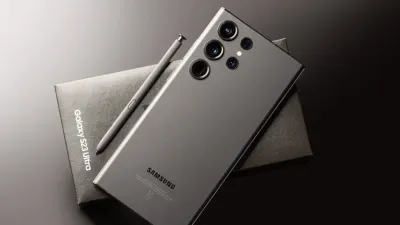
In the smartphone industry, manufacturers have consistently favored shorter focal lengths for primary cameras to capture wider scenes. The Pixel 10 Pro utilizes a 25mm equivalent lens, while the Galaxy S26 Ultra goes even wider at 23mm. While these wider angles are excellent for landscapes or large group shots, they often make single subjects appear distant and small within the frame. Moving physically closer to the subject with a 23mm lens frequently results in unnatural edge distortion.
By adopting a 35mm equivalent focal length, the vivo X300 Ultra provides approximately a 1.4x magnified view compared to a standard 25mm lens. This creates a narrower, more natural field of view that closely mimics human vision for subjects positioned a few feet away. Users who want to isolate a subject no longer need to rely on software-driven 2x digital zoom, which inherently degrades image quality despite advanced machine-learning algorithms.
| Smartphone Model | Primary Camera Focal Length | Sensor Size Notes |
|---|---|---|
| vivo X300 Ultra | 35mm equivalent | 1/1.12-inch (200MP Sony) |
| Google Pixel 10 Pro | 25mm equivalent | 16% smaller than vivo |
| Samsung Galaxy S26 Ultra | 23mm equivalent | 16% smaller than vivo |
While the previous vivo X200 Ultra and the Nubia Z70 Ultra also featured 35mm primary cameras, they did not pair that superior focal length with a sensor as massive as the 1/1.12-inch component found in the X300 Ultra. Furthermore, while the older X200 Ultra was strictly exclusive to the Chinese market, vivo has confirmed that the X300 Ultra will launch in a broader range of international markets, though a United States release remains highly unlikely.
My Take
The smartphone industry has been obsessed with ultra-wide primary lenses to ensure users never miss the edges of a scene, but this approach fundamentally compromises everyday portrait and street photography. Vivo's decision to pair a massive 1/1.12-inch sensor with a tighter 35mm focal length on the X300 Ultra is a brilliant hardware pivot. It eliminates the daily friction of constantly cropping or tapping the 2x digital zoom button just to frame a subject properly. While the device likely will not hit the US market, it sets a definitive optical benchmark. Apple, Google, and Samsung should closely study this configuration for their next-generation flagships, proving that thoughtful, purpose-built optical hardware still delivers better results than relying entirely on AI-driven digital zoom.
Frequently Asked Questions
Will the vivo X300 Ultra be available in the US?
While the device is launching in more global markets compared to its predecessor, a US release is highly unlikely.
What makes the vivo X300 Ultra camera different from the Galaxy S26 Ultra?
The vivo X300 Ultra features a tighter 35mm equivalent focal length and a 16% larger 1/1.12-inch sensor, whereas the Galaxy S26 Ultra uses a wider 23mm lens.
Why is a 35mm focal length better for smartphone photos?
A 35mm lens provides a narrower, more natural field of view with less distortion, allowing users to capture subjects clearly without relying on image-degrading digital zoom.