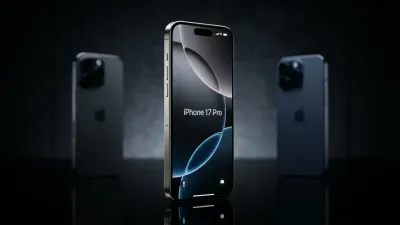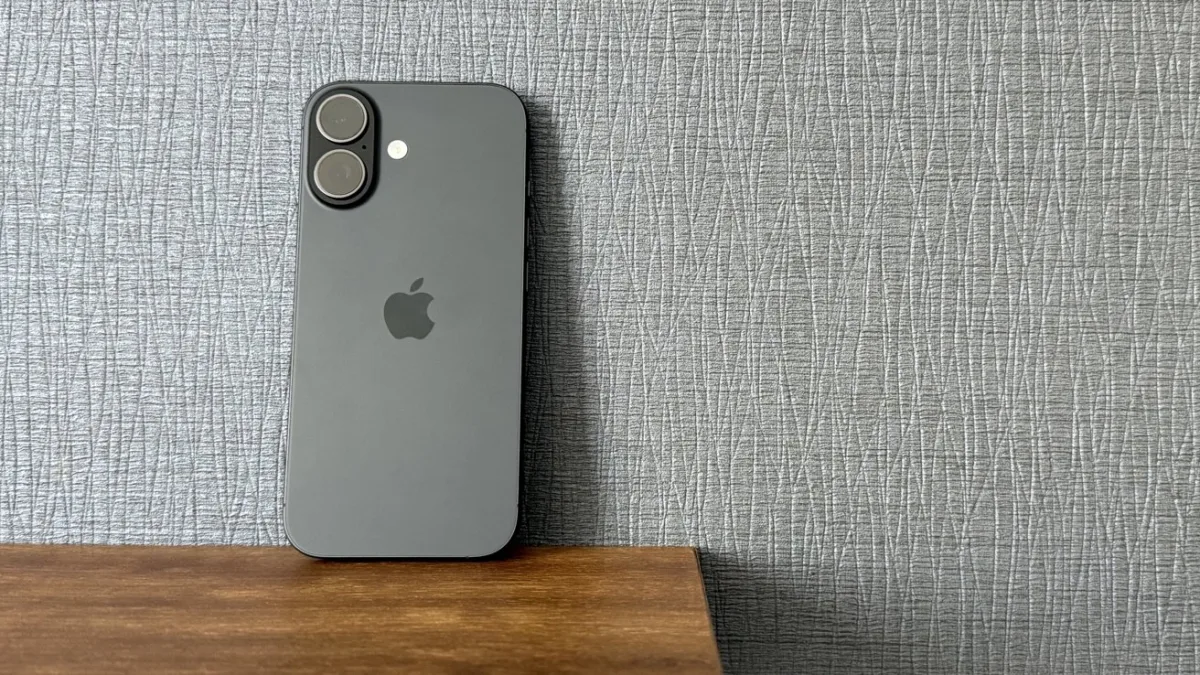
Despite an 11% contraction in the global smartphone market, Apple's iPhone 17 has secured its position as the world's best-selling smartphone for the second quarter of 2026. The latest data from Counterpoint Research reveals that Apple not only defied industry trends with a 5% year-over-year (YoY) growth in unit sales but also dominated the top of the charts. This continues the device's momentum from Q1 2026, driven by a significant upgrade cycle that narrowed the feature gap between the standard and Pro models.
Apple claimed half of the top ten spots in the Q2 2026 sales rankings. The base iPhone 17 took first place, followed immediately by the iPhone 17 Pro Max in second and the iPhone 17 Pro in third. Samsung's Galaxy S26 Ultra broke the streak by securing fourth place. Further down the list, the iPhone 17e captured seventh place, while the older iPhone 16 held onto the tenth spot, perfectly mirroring Apple's chart performance from the same period in 2025.
"Apple's unit sales grew 5% YoY despite a broader market decline," said Senior Analyst Karn Chauhan. He noted that sales increased across India, Japan, and the MEA region, and "nearly doubled in South Korea in Q2 2026, driven by the iPhone 17 series." This regional growth occurred against the backdrop of a global chip shortage, which has reportedly pushed manufacturers to prioritize premium, high-margin devices over budget options.
The financial impact of this premium focus is stark. According to Counterpoint, Apple captured a staggering 49% of worldwide smartphone revenues in the quarter, despite accounting for only 23% of global shipments. This massive disparity underscores how effectively the company has capitalized on the industry's shift toward high-end hardware.
The Revenue Disconnect
Apple's ability to capture nearly half of all global smartphone revenue with less than a quarter of the shipments highlights the sheer power of its premium pricing strategy. By narrowing the feature gap between the base iPhone 17 and the Pro models, Apple successfully convinced buyers that the entry-level device was a flagship in its own right. This strategy effectively cannibalized mid-range alternatives while maintaining high profit margins.
Meanwhile, the broader 11% market contraction signals a fundamental shift in consumer behavior. Users are holding onto cheaper phones longer, refusing to upgrade until a premium device offers a tangible leap in performance. As the global chip shortage continues to constrain supply, Apple's focus on low-volume, high-revenue hardware proves to be the most resilient business model in the current mobile landscape.
This article was written by AI from reporting by appleinsider.com.