Samsung's Variable Aperture Revival
Samsung is actively developing variable aperture camera technology for future Galaxy smartphones, aiming to enhance competitiveness against Apple's upcoming iPhone 18 Pro models.
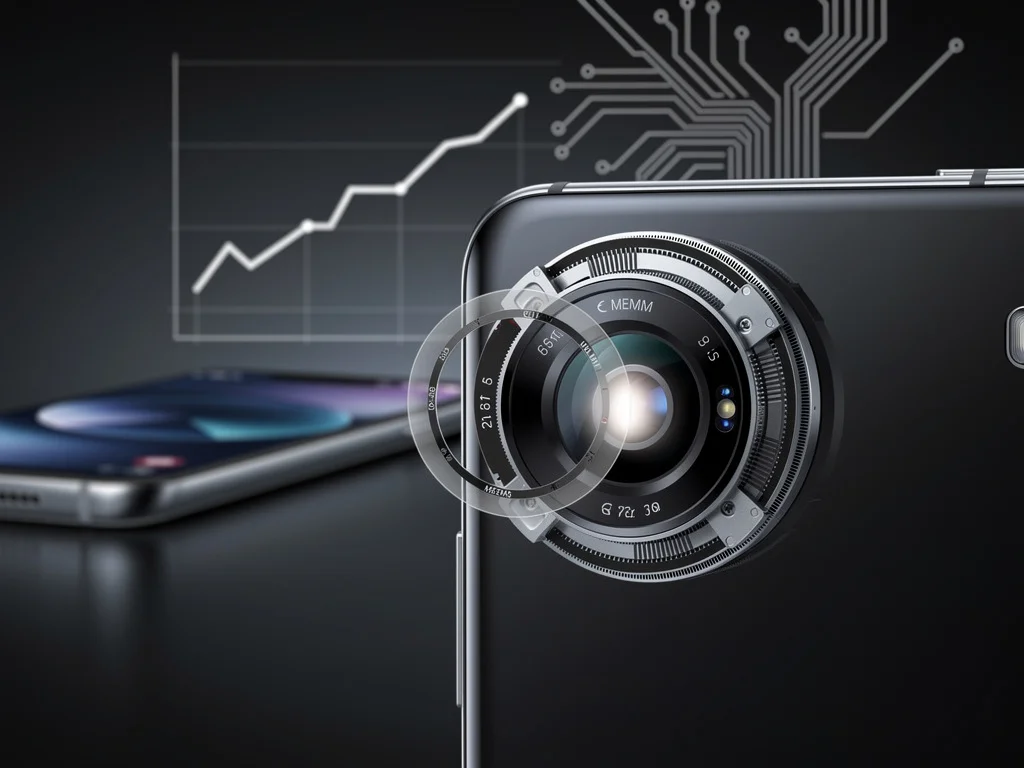
This feature, which allows the camera lens to physically adjust its opening to control light intake, was first introduced by Samsung on the Galaxy S9 and S10 in 2018-2019. It enables wider apertures (e.g., F1.5) in low light for brighter, less noisy images and narrower ones (e.g., F2.4) in bright conditions to avoid overexposure and increase depth of field.
According to ETNews, Samsung has requested samples from partners like Samsung Electro-Mechanics and MCNEX, showing strong commitment despite the tech being in early stages. Previously dropped due to added thickness and cost, newer designs promise thinner profiles and lower expenses, shifting the balance from software-heavy computational photography.
Why This Matters
Variable aperture addresses key smartphone camera limitations: inconsistent performance across lighting. Software corrections dominate today, but hardware control offers precise light management and natural bokeh effects without post-processing artifacts. For users, this means sharper portraits with controlled background blur and reliable shots from dawn to duskcritical as photography remains a top phone buying factor.
Apple's rumored adoption for iPhone 18 Pro (fall 2026) via Ming-Chi Kuo and supplier talks has lit a fire under Samsung, potentially targeting Galaxy S26 Ultra or S27 series. Huawei and Xiaomi already offer similar tech in flagships like Pura 90, positioning Samsung to reclaim innovation leadership.
A Realistic Scenario in Action
Imagine a photographer at a wedding: dim indoor vows demand maximum light to capture natural skin tones without flash grain. As guests move outdoors into harsh sunlight, the aperture narrows instantly, preserving highlight details in dresses and skies while keeping the couple sharply focused amid bokeh backgrounds. This seamless shift, unavailable in fixed-aperture rivals, empowers everyday users and pros alike, reducing the need for manual tweaks or HDR compromises.
Technical Deep-Dive: How It Works
Unlike fixed apertures on most phones, variable systems use mechanical actuators to iris the lens opening. Samsung's original dual-step (F1.5/F2.4) auto-switched based on light; future iterations might offer multi-step precision, rivaling DSLRs. Benefits include:
- Reduced noise in low light by gathering more photons directly.
- Greater depth of field control for selective focus without software simulation.
- Lower reliance on AI upscaling, yielding authentic images.
Challenges persist: integration must avoid bulk, as past versions added camera bumps. Samsung views this as essential for hardware differentiation in an AI-saturated market.
Market Impact and Forward-Looking Implications
This gambit could reshape the smartphone photography arms race, pressuring Apple, Google, and others to prioritize optics over pixels. If Samsung launches firstpossibly S26 Ultra in 2026it regains 'camera king' status lost to computational leaders.
Looking ahead, widespread adoption might standardize variable apertures, thinning modules further via advanced materials and driving costs down for mid-range phones. For consumers, it humanizes photography: no more washed-out selfies or blurry nights, letting creativity shine without app crutches. As one user might say, 'Finally, my phone sees like I do.' Ultimately, this hardware push signals a pivot from software gimmicks to optical excellence, promising a new era of versatile mobile imaging by 2027.
This article was written by AI from reporting by webpronews.com.