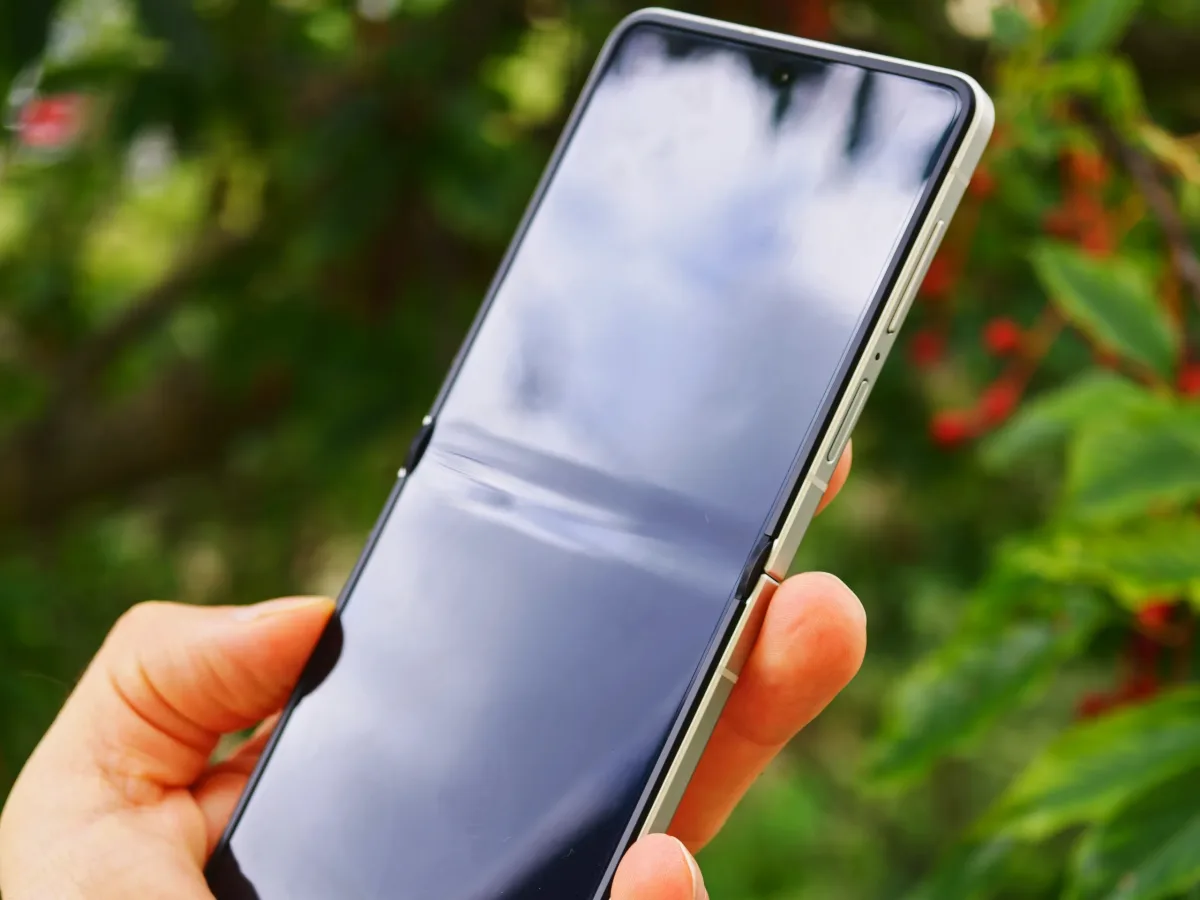
The Samsung Galaxy Z Flip 8 has established itself as the undisputed king of flip smartphones in 2026, leveraging its Exynos 2600 chipset to deliver up to twice the benchmark performance of its closest competitors. With Xiaomi and Oppo absent from the foldable market this year, Samsung is capitalizing on the void by offering a premium package that outclasses the Motorola Razr 70 Plus and even the pricier Motorola Razr 70 Ultra.
Starting at an MSRP of $1,200, the compact foldable is equipped with 12 GB of RAM and 256 GB of internal storage. Powering the device is a 4,300 mAh battery that supports 25 W fast charging and 15 W wireless charging. Despite measuring just 6.1 millimeters thick when unfolded, the Samsung Galaxy Z Flip8 manages to integrate a USB 3.1 port - a standard expectation in this premium price tier that some rivals still omit.
The performance gap between the Samsung Galaxy Z Flip 8 and its rivals is stark. While the Motorola Razr 70 Plus relies on the Snapdragon 8s Gen 3, Samsung’s integration of the Exynos 2600 yields significantly higher benchmark scores across various workloads. Beyond raw processing power, the foldable delivers audio quality that Notebookcheck testing describes as being in a league of its own, overcoming the acoustic limitations typically associated with ultra-thin chassis designs.
Samsung’s transparent update policy further widens the gap between its new release and the competition. The device benefits from an extended software support period that guarantees security patches for years to come. In contrast, Motorola caps its top-tier foldables at four years of security updates and three major Android OS upgrades, making the Samsung offering a more viable long-term investment for buyers.
The Foldable Market Needs a Wake-Up Call
The dominance of the Samsung Galaxy Z Flip 8 highlights a concerning trend in the foldable sector: a severe lack of aggressive competition. With Xiaomi and Oppo sitting out the global flip phone race this year, Motorola is Samsung's only real challenger, and the Motorola Razr 70 Plus simply cannot compete with the processing overhead of the Exynos 2600. If Samsung continues to face zero pressure in the $1,200 price bracket, we may see a stagnation in hardware innovation for future generations.
The inclusion of a USB 3.1 port and superior audio are welcome refinements, but they are iterative rather than revolutionary. Without Chinese manufacturers pushing the envelope globally to drive prices down or force radical design shifts, Samsung's current status as the market leader is won almost by default. Consumers ultimately lose when a single manufacturer dictates the pace of a $1,200 hardware category.