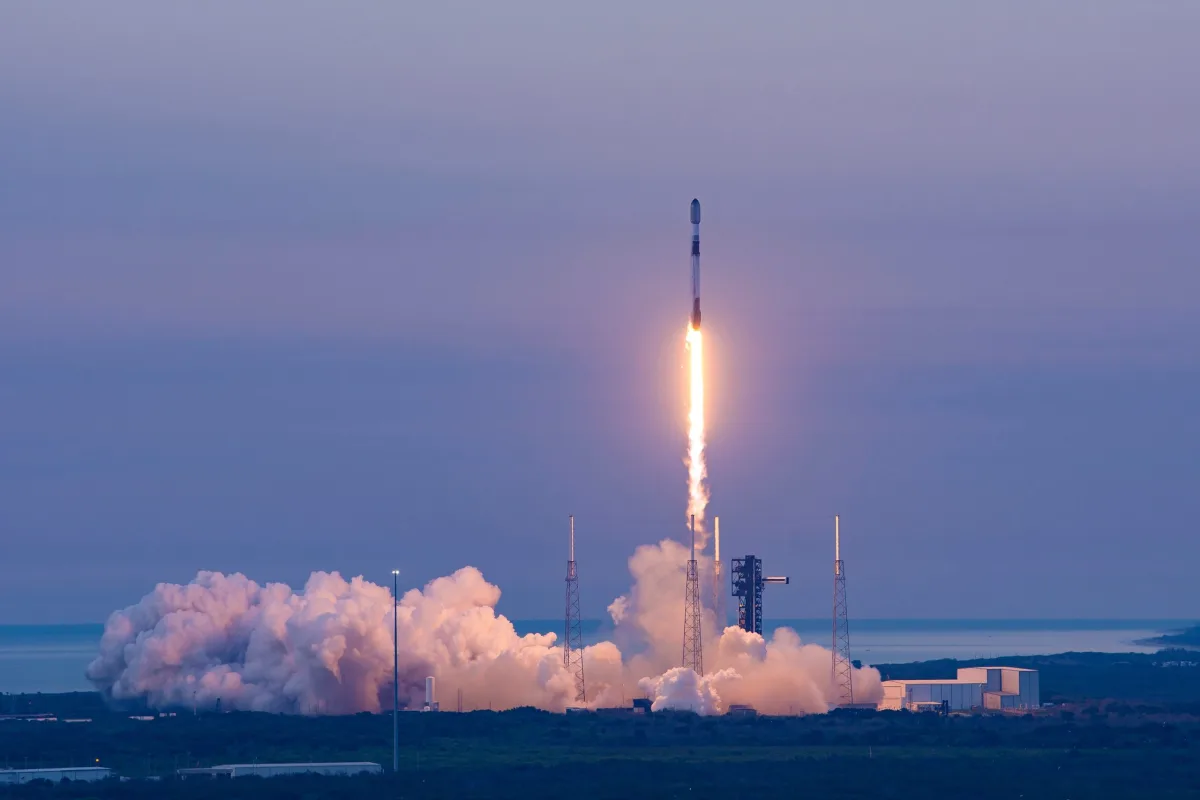
SpaceX has successfully launched the inaugural test flight of its highly classified Starfall reentry capsule, marking a major push into the in-space manufacturing and microgravity research markets. The Falcon 9 rocket lifted off from Cape Canaveral on June 23, carrying a payload that remained shrouded in secrecy throughout the mission.
The Secretive Launch Details
The Starfall Demo mission lifted off at 6:53 a.m. Eastern from Space Launch Complex 40. SpaceX treated the launch with the strict confidentiality usually reserved for classified military payloads, cutting off the live webcast immediately after the first-stage landing. The company deliberately omitted standard mission milestones, such as the second-stage shutdown or the exact moment of the Starfall payload deployment.
The only official update came more than three hours after liftoff, when SpaceX confirmed via social media that the Starfall deployment was successful. The company did not disclose whether the spacecraft survived its planned reentry or if it was successfully recovered after splashing down in the Pacific Ocean.
What is the Starfall Capsule?
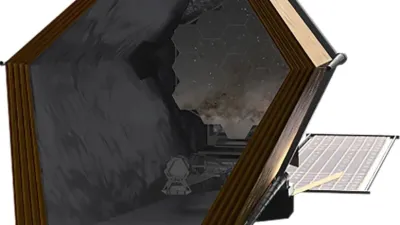
According to a recent Federal Aviation Administration (FAA) environmental assessment and brief statements from SpaceX, Starfall is designed as a microgravity laboratory. The two-component spacecraft weighs approximately 2,100 kilograms and can carry a 1,000-kilogram payload. It aims to provide researchers and entrepreneurs with routine access to space for developing new products.
"SpaceX has developed a new spacecraft called Starfall, which is, at its core, a microgravity lab that researchers and entrepreneurs can leverage to develop their products and innovations," the host of the company’s launch webcast explained. The FAA assessment indicates that SpaceX is currently authorized for two test flights of the vehicle, utilizing either the Falcon 9 or Starship platforms.
Competition in the Space Manufacturing Market
SpaceX’s entry into this sector directly challenges startups like Varda Space Industries, which has already flown six microgravity research missions equipped with reentry vehicles. Other international players, such as Japan's ElevationSpace, are also actively developing similar spacecraft.
Despite the looming competition from the aerospace giant, investor confidence in dedicated startups remains high. ElevationSpace recently announced on June 19 that it had secured $40 million in a Series B funding round to accelerate its spacecraft development.
The Silent Threat to Microgravity Startups
SpaceX’s decision to land the Falcon 9 first stage on an Atlantic droneship - rather than returning to the launch site as it typically does for lighter Dragon payloads - suggests the rocket was carrying a heavy, undisclosed secondary payload alongside the 2,100-kilogram Starfall capsule. This dual-manifesting capability mirrors the exact strategy SpaceX used to disrupt the small launch vehicle market with its rideshare program.
By leveraging its existing Falcon 9 infrastructure to subsidize Starfall's launch costs, SpaceX could drastically undercut dedicated microgravity startups. While competitors like Varda and ElevationSpace are currently well-funded, they will soon face immense pressure to prove their bespoke reentry vehicles can offer specialized capabilities that SpaceX's mass-market, "routine access" approach cannot match.