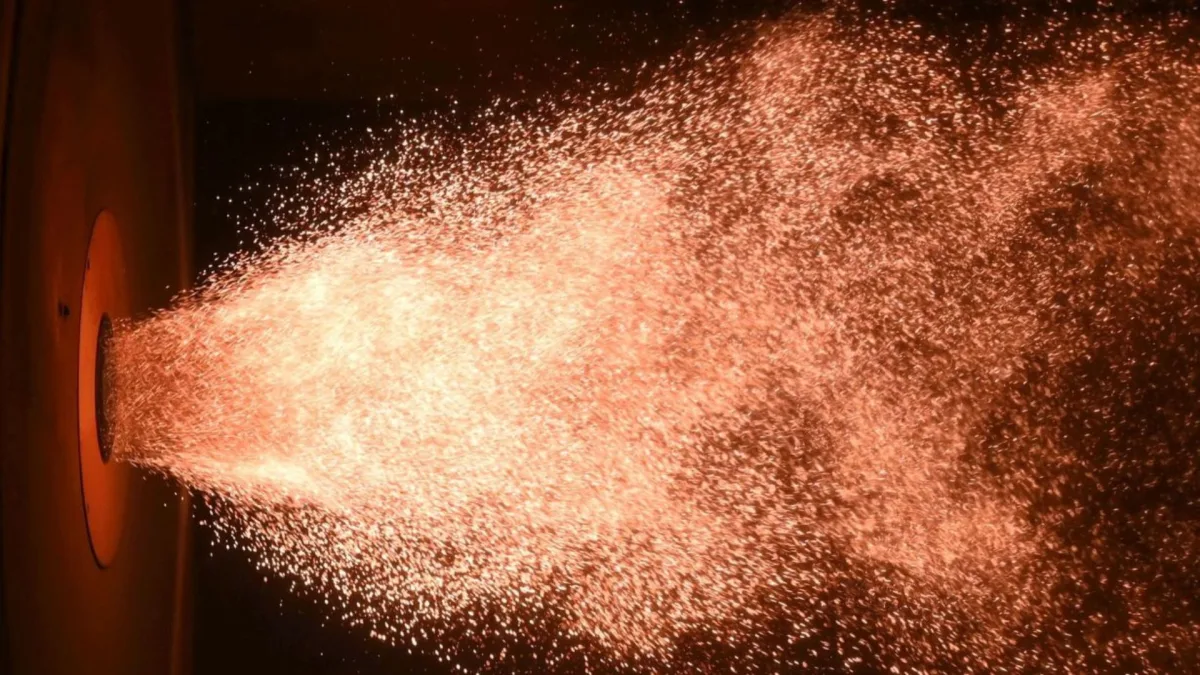
The global transition to renewable energy faces a massive logistical hurdle: transporting and storing excess solar and wind power over long distances. While hydrogen has long been touted as the ultimate solution, researchers at Germany’s Karlsruhe Institute of Technology (KIT) have identified a highly efficient, easily transportable alternative: pulverized iron powder.
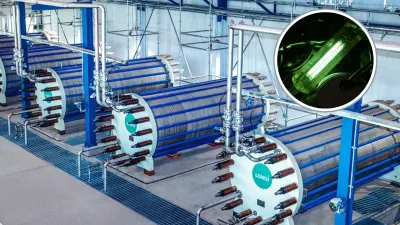
The proposed technology relies on a beautifully simple, carbon-neutral chemical loop. When iron powder is combusted, it generates intense heat and electricity, leaving behind iron oxide - commonly known as rust. To reset the cycle, green hydrogen generated from excess renewable energy is used to strip the oxygen away, reducing the rust back into pure iron powder. The entire process emits zero carbon dioxide or environmentally harmful substances.
When burned, iron powder behaves very much like coal.
- Julia Schuler, Institute for Industrial Production, KIT
This behavioral similarity to fossil fuels gives iron a massive infrastructure advantage. Energy companies would not need to demolish their existing coal-fired power plants to accommodate the new technology. By modifying the heat generators, engineers can fully preserve expensive legacy components, including steam cycles, massive turbines, heavy generators, and local grid connections.
Using the advanced PERSEUS energy-system model, the KIT team simulated the optimal evolution of the European grid through 2050. The findings, published in the journal Chem Circularity, indicate that iron will not replace the hydrogen economy, but rather save it from its own logistical bottlenecks. While hydrogen gas is ideal for fast-acting power and local grids, its reliance on high-pressure pipelines and deep caverns makes global transport highly complex. In contrast, iron powder is dense, stable, and can be piled into standard cargo ships and warehouses with almost zero new infrastructure investment.
The Economic Lifeline for Legacy Grids
The true genius of the KIT proposal extends beyond its chemical efficiency; it offers a pragmatic economic bridge for the green transition. By providing a viable method to retrofit existing coal infrastructure, this iron-based cycle neutralizes one of the biggest financial roadblocks to climate neutrality: stranded assets. Energy giants and coal-dependent nations can pivot to zero-emission operations without writing off billions of dollars in legacy grid investments.
Furthermore, iron powder directly addresses the seasonal storage deficit that plagues current renewable grids. For countries like Germany, retrofitted iron power plants can serve as a strategic reserve, stepping in to keep the lights on during prolonged periods when the sun does not shine and the wind does not blow. Across every scenario modeled by the researchers, iron-fired power emerged as a vital component of the cheapest possible path to a climate-neutral future.
This article was written by AI from reporting by interestingengineering.com.