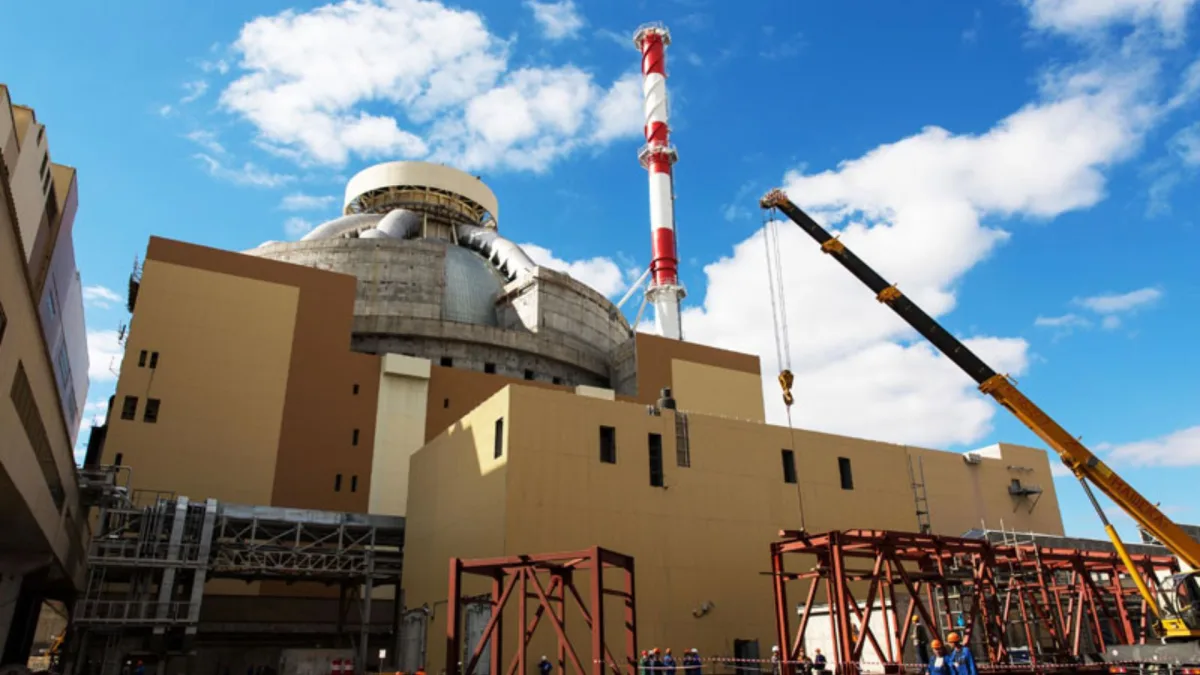
In a major step for the Vietnam nuclear power plant Rosatom partnership, Russia has officially agreed to construct a 2,400 MW nuclear facility in the Ninh Thuan region. The landmark deal revives a long-dormant energy initiative, signaling Vietnam's aggressive push toward carbon-free base-load power and long-term energy security. The agreement was solidified during a recent diplomatic visit to Moscow led by Vietnamese Prime Minister Pham Minh Chinh.
This development is critical for global energy analysts, infrastructure investors, and policymakers tracking Southeast Asia's transition to net-zero emissions. By securing a reliable, round-the-clock nuclear energy source, Vietnam aims to overcome the intermittency challenges of solar and wind power, ensuring stable industrial growth. The move highlights a growing global trend where nations are reconsidering nuclear fission to meet strict environmental targets without compromising grid stability.
The Ninh Thuan project has a complex history of starts and stops. Initially envisioned in 2009, early site preparations - including the relocation of two villages - were halted in 2016 due to economic constraints. However, shifting global energy dynamics and the pressing need for reliable power led the Vietnamese National Assembly to approve the project's revival in November 2024.
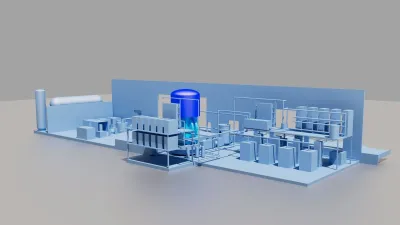
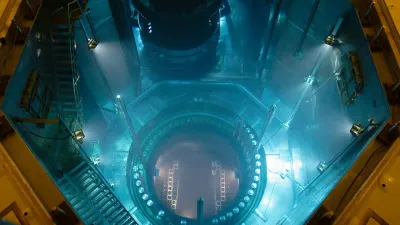
Under the finalized agreement, Rosatom, Russia's state nuclear corporation, will deploy two of its flagship VVER-1200 reactors. These units represent Rosatom's most successful export model and comply with the strictest international safety requirements. The new infrastructure will be modeled after the Leningrad NPP-2 reference project and split across two distinct sites.
The first plant, Ninh Thuan 1, will be located in the Phuoc Dinh commune within the Thuan Nam district. The second facility, Ninh Thuan 2, is slated for the Vinh Hai commune in the Ninh Hai district. Alexey Likhachev, Director General of Rosatom, emphasized that the deal transcends basic construction, framing it as the foundation for a long-term industrial partnership designed to bolster Vietnam's economic growth. The ambitious timeline targets construction completion by 2030.
Beyond the primary 2,400 MW plant, the partnership is actively exploring future deployments of small modular reactors (SMRs) to diversify Vietnam's nuclear portfolio. Furthermore, the two nations are advancing the Centre for Nuclear Science and Technology (CNST), with a feasibility study expected to conclude next month. This facility will house a Russian research reactor, expanding on existing scientific collaborations.
This new research initiative builds on the established success of Vietnam's Dalat research reactor, which already utilizes Russian-supplied fuel to produce radioactive isotopes for medical use. Looking ahead, Vietnam has also expressed strong interest in participating in an international consortium to build and test a Multipurpose Fast Research Reactor, further deepening its technical ties with Moscow.
My Take
The revival of the Ninh Thuan project underscores a pragmatic shift in Southeast Asian energy strategy. While renewables like wind and solar dominate the green energy conversation, their intermittency remains a critical bottleneck for rapidly industrializing nations. By committing to the VVER-1200 reactors, Vietnam is acknowledging that high-yield, continuous nuclear fission is indispensable for stabilizing its grid and meeting strict net-zero targets.
Furthermore, Rosatom's deep integration into Vietnam's energy sector - spanning from the 2,400 MW commercial reactors to the CNST research facilities and medical isotope production - cements Russia's geopolitical and economic footprint in the region. The aggressive 2030 completion target is highly ambitious for nuclear infrastructure of this scale. If successful, it will position Vietnam as a leading nuclear-powered economy in Southeast Asia, potentially prompting neighboring countries to reconsider their own dormant nuclear programs.
This article was written by AI from reporting by interestingengineering.com.