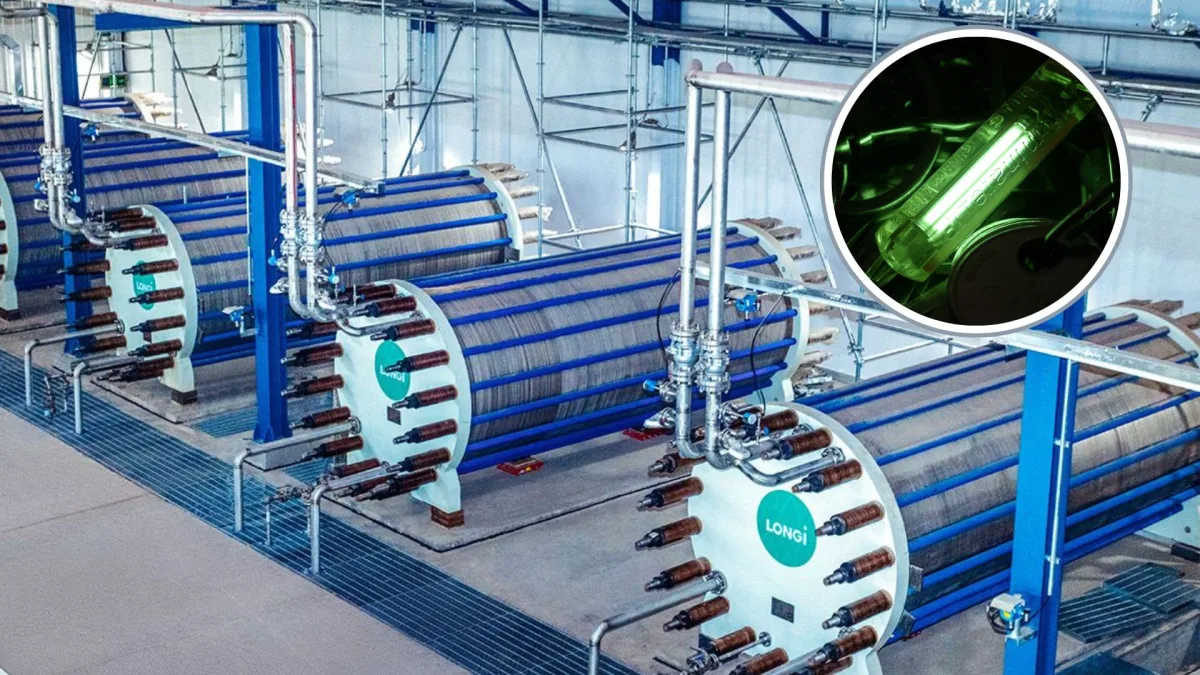
Next Hydrogen Solutions is deploying a specialized Next Hydrogen electrolyzer to extract tritium from heavy water, addressing a critical bottleneck in the commercialization of fusion energy. Backed by two engineering contracts totaling $3.75 million, the system will be integrated into Fusion Fuel Cycles' (FFC) standardized fueling platform. This development is specifically targeted at fusion developers and energy engineers who need reliable balance-of-plant systems without the burden of designing supporting infrastructure from the ground up.
As governments and private entities accelerate investments in carbon-free baseload electricity, the race to validate prototype reactors has intensified. By outsourcing the fuel-cycle equipment to FFC, fusion companies can bypass years of bespoke engineering. The integration of this purpose-built electrolyzer allows the industry to move faster toward demonstration plants and eventual commercial facilities.
Architectural Advantages Over Traditional Systems
Unlike conventional alkaline electrolyzers that rely on large external separator vessels, the Next Hydrogen electrolyzer performs gas-liquid separation internally within each half-cell. This architectural shift significantly simplifies the balance of plant, reduces the need for supporting equipment, and lowers the overall installation footprint.
Its novel cell design architecture with internal gas-liquid separation reduces contamination risk - exactly the characteristics we need to build reliable fuel cycle systems for our customers.
- Yuhei Nozoe, Co-CEO, Fusion Fuel Cycles
The system is engineered to operate at current densities up to four times higher than traditional alkaline alternatives. This high-density approach reduces the equipment footprint by roughly two-thirds, directly lowering the civil engineering requirements for future fusion installations. Furthermore, the electrolyzer offers exceptional operational flexibility, capable of ramping output up or down at a rate of 10% per second.
Operating across a turndown range of 10% to 100%, the system is highly compatible with intermittent renewable energy sources like wind and solar. Next Hydrogen projects that the electrolyzer stacks will operate for approximately 80,000 hours. In terms of efficiency, the unit consumes between 45 and 55 kilowatt-hours of electricity per kilogram of hydrogen produced, requiring about one liter of deionized water for each normal cubic meter of hydrogen.
The Shift Toward Plug-and-Play Fusion
Raveel Afzaal, President and CEO of Next Hydrogen, explained that delivering a standardized balance of plant allows fusion companies to concentrate strictly on their core intellectual property. "That focus translates directly into lower costs and faster timelines for an industry where speed to demonstration matters enormously," Afzaal noted.
The historical development of nuclear fission was plagued by bespoke, site-specific engineering that drove up costs and delayed deployments. FFC and Next Hydrogen are actively avoiding this trap by creating a modular, plug-and-play infrastructure model for the fusion sector. By standardizing the tritium extraction process and reducing the physical footprint by 66%, they are lowering the barrier to entry for emerging fusion startups.
This $3.75 million collaboration signals a maturing supply chain. When supporting systems like heavy water processing become off-the-shelf commodities rather than custom research projects, the timeline for grid-connected fusion energy becomes significantly more realistic.
This article was written by AI from reporting by interestingengineering.com.