The explosive growth of AI data centers is forcing tech giants to scramble for carbon-free electricity to meet their escalating power requirements. To address this immediate demand, fusion startup Zap Energy is making a strategic pivot by integrating a 10MW underground fission microreactor into its clean energy portfolio. This dual-track approach aims to generate revenue as early as next year while the company continues to develop its long-term fusion technology.
The meteoric rise of generative AI has triggered a massive infrastructure race, with tech giants like Google and Microsoft rapidly building out data centers to support advanced chips. This aggressive expansion has caused some companies to neglect their green energy goals, creating a desperate need for reliable, carbon-free baseload power. Nuclear fission is increasingly viewed as the most viable solution to this energy crisis, prompting Zap Energy to become the first fusion company to add fission to its commercial lineup.
The 4S Fission Microreactor Technology
Zap Energy's new strategy centers on a small-scale fission reactor design known as the 4S, which stands for Super Safe, Small and Simple. Originally developed by Japanese firms Toshiba and the Central Research Institute of Electric Power Industry, the 4S is a fast neutron microreactor cooled by liquid sodium. Zap Energy plans to deploy a 10 MW variant of this reactor, which is designed to be installed in a sealed vault approximately 100 feet (30 meters) underground.
One of the most significant advantages of the 4S microreactor is its longevity; it can operate for up to 30 years without the need for refueling. While the design has previously faced regulatory hurdles in obtaining approvals from the US Nuclear Regulatory Commission (NRC), Zap Energy is confident that its deep engineering expertise in advanced nuclear systems will help navigate and overcome these challenges.
Sustaining the Fusion Dream
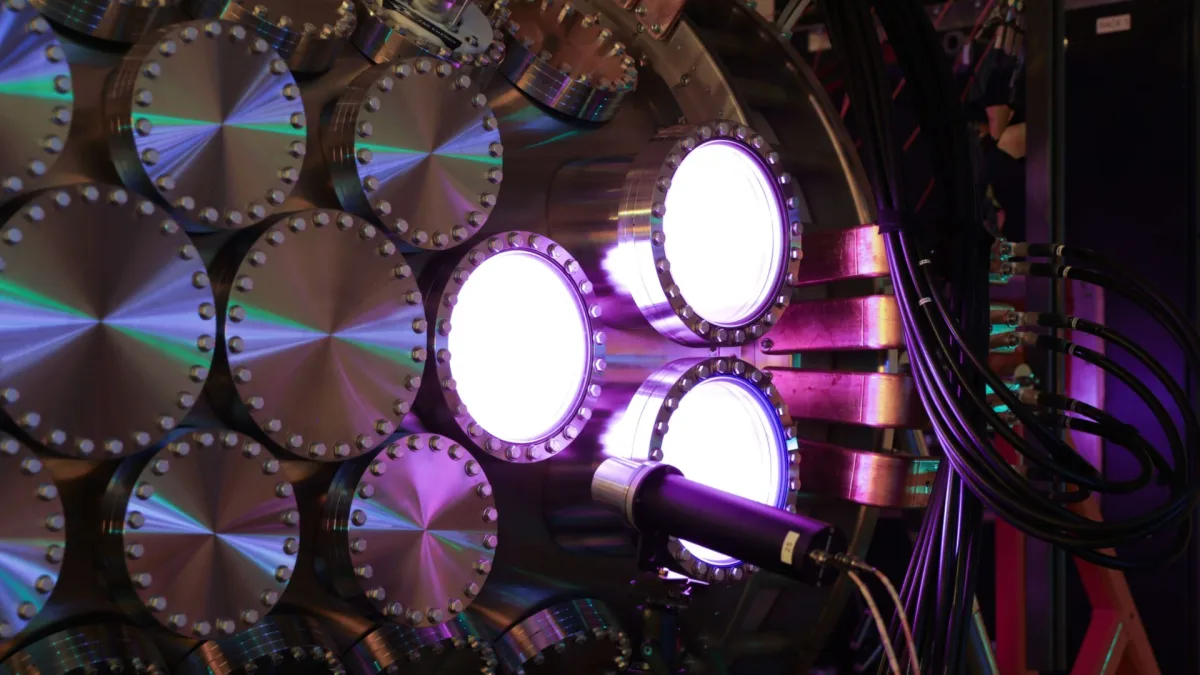
Despite the addition of fission, Zap Energy remains committed to its core mission of commercializing fusion energy. Spun out of the University of Washington, the company utilizes a unique approach called Shared Flow Stabilized (SFS) Z-pinch. Unlike traditional tokamak or stellarator designs, the SFS Z-pinch eliminates the need for complex superconducting magnets and cooling systems, relying instead on a powerful electric current to generate a magnetic field that heats plasma to fusion-grade temperatures. In 2024, the company successfully achieved record plasma pressures of 1.6 gigapascals.
The fission microreactor will serve as a critical financial bridge for the company. It will generate early revenue through milestone payments from companies reserving production capacity, as well as through federal programs led by the Department of Defense and the Department of Energy. As Zabrina Johal, the newly appointed CEO of Zap Energy, noted, "Fission and fusion are two sides of the same coin. They have so many challenges that are congruent with each other."
The Pragmatic Shift in Clean Energy
Zap Energy's decision to embrace fission is a highly pragmatic response to the current realities of the energy market. While nuclear fusion remains the ultimate holy grail of limitless, clean energy, its commercial viability is still decades away. Conversely, the AI industry is facing an acute energy shortage right now. By offering a deployable, 30-year microreactor, Zap Energy is positioning itself to capture massive infrastructure contracts from tech giants desperate to power their AI ambitions without relying on fossil fuels.
This strategy effectively solves two problems at once. It provides the tech sector with the immediate, carbon-free baseload power required to sustain the AI boom, while simultaneously creating a sustainable revenue stream for Zap Energy. This financial runway will be crucial in funding the immensely expensive and time-consuming research required to finally bring their SFS Z-pinch fusion technology across the finish line.