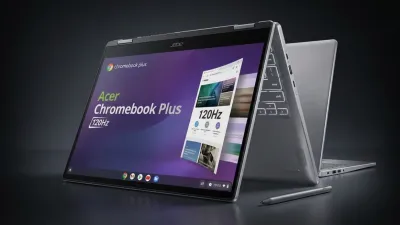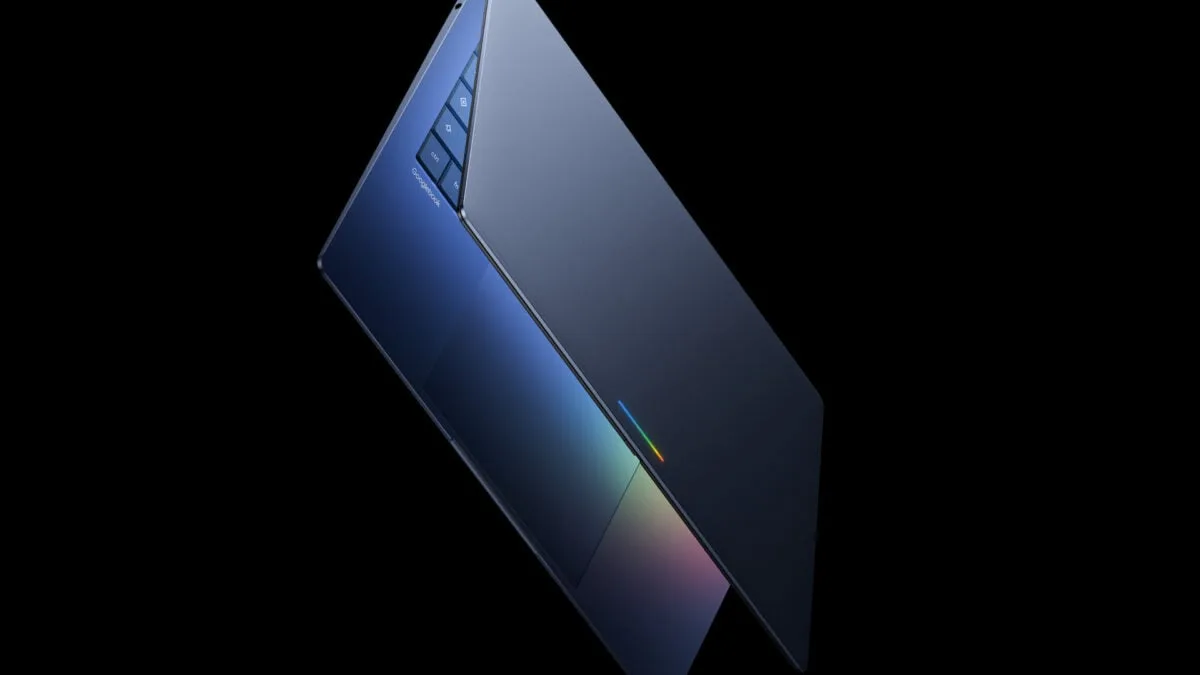
Googlebooks are officially stepping into the spotlight, but Google's vision for the next generation of ChromeOS hinges entirely on whether developers are willing to rebuild their Android apps for the desktop. Following the I/O 2026 keynote, it is clear that the tech giant wants to transform its browser-centric laptops into premium machines capable of rivaling Apple's hardware ecosystem. However, achieving a true "laptop class feel" requires a massive shift in how mobile applications operate on larger screens.
The transition from a simple web-based interface to a robust desktop environment demands that app interfaces be completely redesigned. According to Google's entire guide dedicated to desktop design, developers must now support various resolution sizes, advanced multitasking with side-by-side windows, and native keyboard and mouse controls. This is a significant departure from the traditional mobile-first mindset that has dominated Android development for over a decade.
How Developers Can Test the Desktop Experience
To prepare for this operating system evolution, Google has introduced a new Desktop Emulator. Developers can access this tool immediately to optimize their mobile apps for upcoming large-screen devices and ensure they meet desktop-class standards.
- Download the latest Canary build of Android Studio to access the new testing environments.
- Launch the Desktop Emulator to test app scaling, window management, and multi-app multitasking.
- Review Google's Dev docs to implement cross-device support, allowing users to transition an app between a phone and a laptop in a "near equivalent state."
As highlighted during The Android Show, Googlebooks are being positioned as the central hub of a larger, Apple-like walled garden. This ecosystem aims to seamlessly connect your Android XR headset, Wear OS smartwatch, and Gemini's agentic AI capabilities. To power this ambitious hardware lineup, Intel, MediaTek, and Qualcomm have all confirmed they are manufacturing chips for the new laptops set to launch this fall.
The MacBook Neo Comparison Problem
Google's push to make Android a true desktop powerhouse is a massive gamble that ignores the fundamental advantage of its biggest rival. While the upcoming Googlebooks will feature premium silicon from Qualcomm and Intel, raw processing power cannot fix a fragmented app ecosystem. Apple's $600 MacBook Neo succeeds because macOS offers a robust, native suite of desktop applications built over decades of incentivizing developers.
If Google simply relies on developers stretching mobile apps to fit a larger canvas - a strategy that has historically yielded clunky results on older Chromebooks - these new laptops will struggle to justify a premium price tag. For this ecosystem to flourish, Google must aggressively fund and incentivize developers to build true desktop-class Android apps, rather than just offering a glorified version of Samsung DeX.