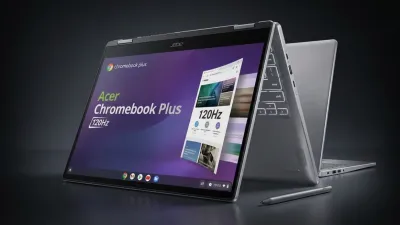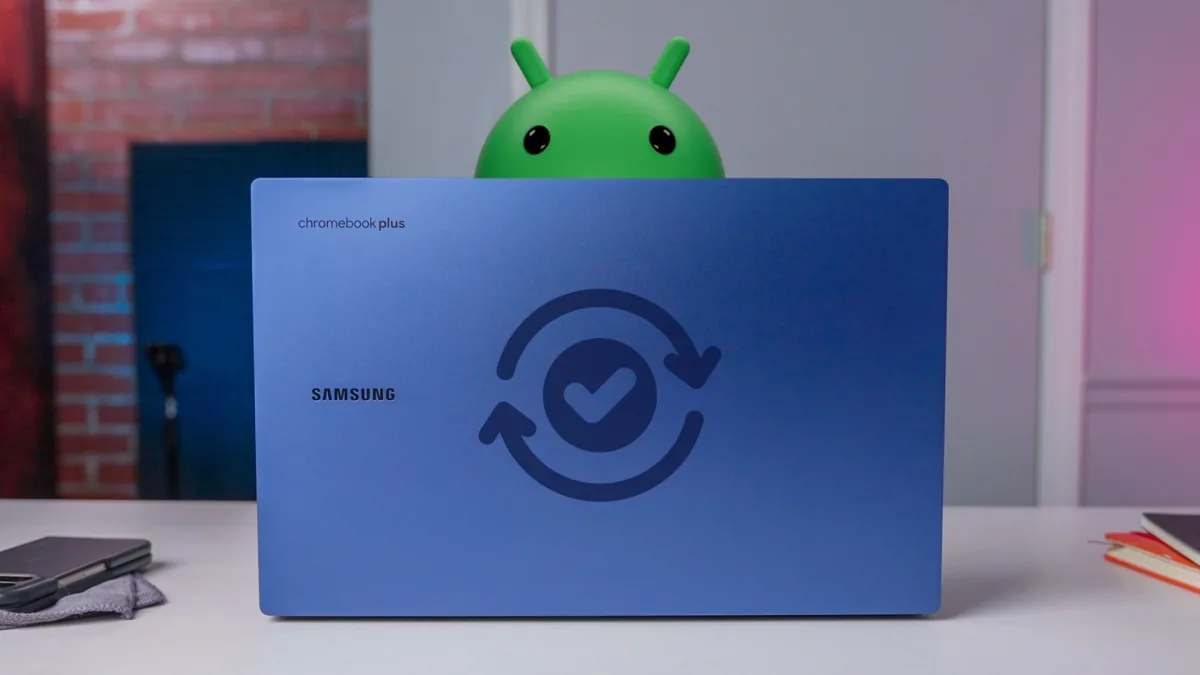
Your recent ChromeOS update schedule might feel devoid of major new features, but you are not alone. The quiet rollout of versions like ChromeOS 146 is actually a strategic pause as Google redirects its development resources toward a massive platform shift. This transition, codenamed Project Aluminium, will move the operating system to an Android foundation and fundamentally change how Chromebooks receive software updates.
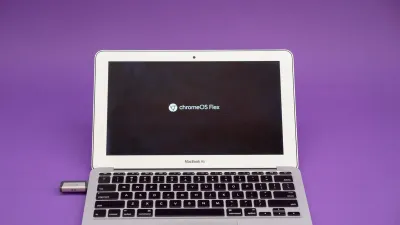
Because of hardware limitations, not every existing Chromebook will be able to make the jump to this new Android-based architecture. However, Google is still bound by its promise to provide 10 years of software support for these older devices. This commitment means legacy ChromeOS is not going away anytime soon. Instead, the company will likely be forced to maintain two completely separate update tracks moving forward.
The Two-Track Update Strategy
To manage this divide, Google is expected to split its software delivery methods based on your device's underlying architecture. This ensures older hardware remains secure while newer laptops push the boundaries of what a Chromebook can do.
- Legacy ChromeOS Devices: Older Chromebooks unable to migrate to Project Aluminium will likely remain on the rapid, four-week update cycle established in 2021. These updates will primarily focus on essential security patches and bug fixes rather than major feature additions.
- Project Aluminium Devices: Newer Chromebooks built on the Android foundation will likely align with the broader Android ecosystem. This could introduce Quarterly Platform Releases, similar to Pixel Feature Drops, delivering substantial, highly polished features alongside monthly security patches.
Transitioning to a quarterly feature drop model for newer devices makes perfect sense given the Android architecture. It allows developers to push innovative tools, like the recent Gemini integration in Chrome, without breaking system stability. Managing these dual tracks will be a massive undertaking for Google, but it is a necessary step to modernize the platform.
My Take
The impending split between legacy ChromeOS and Project Aluminium is a necessary growing pain for Google's laptop ecosystem. By shifting to an Android foundation, Google is finally positioning Chromebooks to break free from their "just a browser" reputation and deeply integrate with the mobile app ecosystem. The quiet nature of ChromeOS 146 is a clear indicator that the engineering team is fully consumed by this architectural overhaul, prioritizing long-term gains over short-term feature drops.
For consumers, this means checking your device's compatibility will soon become critical before purchasing a used or discounted Chromebook. If you buy an older model locked into the legacy track, you will still get your guaranteed 10 years of security updates, but you will miss out on the quarterly feature drops and advanced AI integrations. Ultimately, adopting the Pixel-style quarterly release cadence for Aluminium devices is a brilliant move that will make Chromebook updates feel like significant events rather than background maintenance tasks.