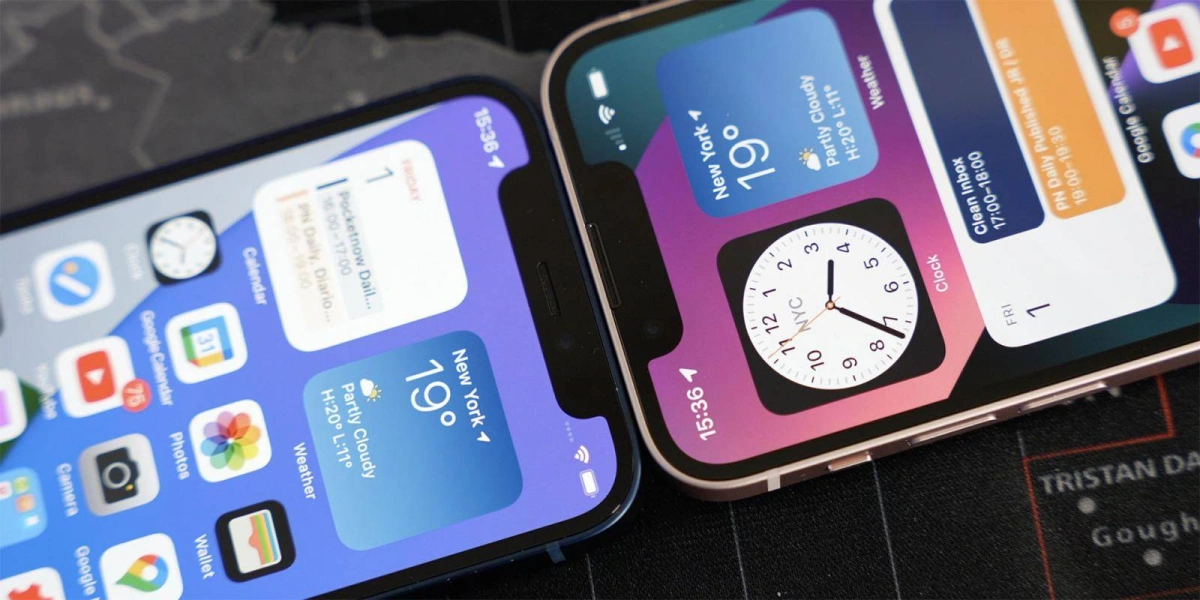
Apple has implemented a strict hardware lock on the iPhone 13 series, completely disabling Face ID functionality if the device's screen is replaced by an unauthorized third-party repair shop. This controversial move significantly impacts independent technicians and DIY enthusiasts who rely on standard screen replacements. Without an authorized repair, users lose the ability to authorize payments, sign in to accounts, unlock their devices using facial recognition, and send animojis.
According to findings published by iFixit and tested across both iOS 15 and 15.1 updates, the restriction is tied to a small microcontroller paired to the screen. This condition, referred to by repair technicians as "serialization," prevents independent shops from simply swapping out a broken display. Authorized technicians bypass this by using proprietary software, Apple Services Toolkit 2, which logs the repair to Apple's cloud servers and syncs the serial numbers of the phone and the new screen.
A highly sophisticated workaround has been discovered by repair professionals. To maintain Face ID functionality without Apple's proprietary software, independent technicians must physically move a soldered chip from the original broken screen onto the replacement unit. This process requires specialized microsoldering tools, significantly more time, and extreme precision, making standard repairs much more difficult for average third-party shops.
iPhone 13 Hardware Specifications
The iPhone 13 series represents Apple's latest flagship lineup, featuring upgraded internal components alongside these new repair restrictions.
| Specification | Details |
|---|---|
| SoC | Apple A15 Bionic |
| Display | 6.1-inch, Super Retina XDR, OLED, 1170 x 2532, 60Hz |
| RAM | 6GB |
| Storage Options | 128GB / 256GB / 512GB |
| Battery | 3240 mAh |
| Ports | Lightning port |
Frequently Asked Questions
Why does Face ID stop working after a screen replacement?
The iPhone 13 uses a microcontroller that pairs the specific screen to the device. If a new screen is installed without syncing the serial numbers via Apple's proprietary software, the system disables Face ID.
Is there any way for independent shops to fix the screen and keep Face ID?
Yes, but it requires a complex microsoldering process to physically transfer the original microcontroller chip from the broken screen to the new replacement screen.
My Take
The decision to tie Face ID functionality directly to screen serialization on the iPhone 13 series is a calculated move by Apple to tighten its grip on the repair ecosystem. By requiring access to the Apple Services Toolkit 2 to authorize a simple screen swap, Apple is effectively squeezing out independent repair shops that cannot afford the time or equipment for complex microsoldering workarounds. This development not only raises repair costs for consumers but also highlights the growing friction between major tech manufacturers and the global right-to-repair movement.
This article was written by AI from reporting by pocketnow.com.