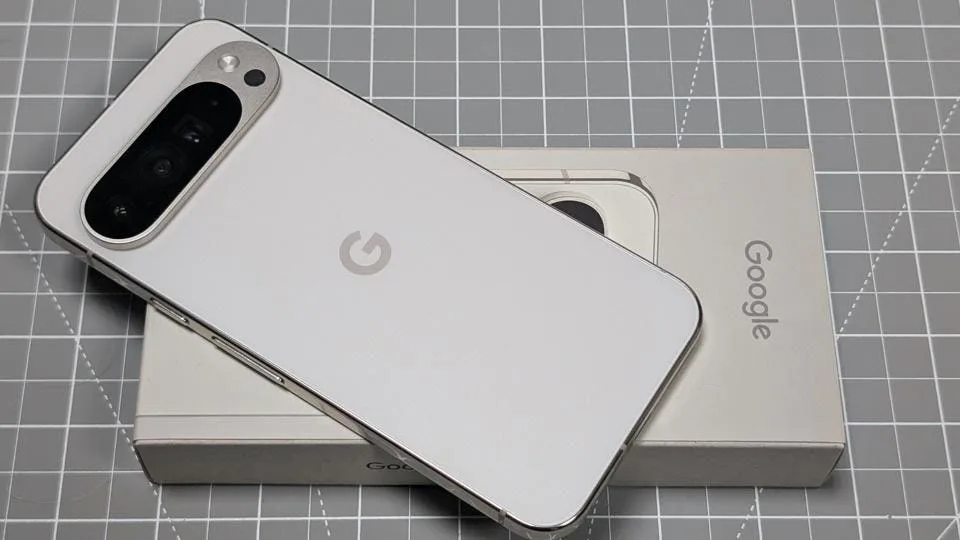
When you shell out flagship-level money for a premium smartphone, you expect the premium experience to extend long after you unbox the device. For one Pixel 10 Pro XL owner, however, a routine warranty request for battery issues allegedly spiraled into an absolute tech nightmare. The incident has reignited fierce criticism surrounding the tech giant's after-sales support infrastructure, proving that even the most advanced hardware can be rendered useless by a broken customer service pipeline.
The ordeal began when a Pixel 10 Pro XL customer noticed persistent battery-related problems on their seven-month-old handset. After exhausting standard troubleshooting methods, they shipped the device to Google under warranty. According to a lengthy thread on X detailing the encounter, things quickly went downhill. Google inspected the phone and claimed the rear panel was damaged, demanding out-of-pocket payment before proceeding. The customer vehemently disputed this, noting the phone had been protected in a case since day one and was flawless upon shipment. They suspect the physical damage actually occurred inside Google's own repair facility during the battery extraction process.
After the user refused to pay, Google shipped the un-repaired phone back, but the physical state of the phone wasn't the biggest shock. The customer discovered that the phone was now trapped in a permanent bootloader loop, rendering it completely bricked and entirely unusable. The user openly labeled Google's warranty process a scam. While the official Made by Google account publicly responded to apologize and request direct messages, no public resolution has been confirmed.
A Documented Pattern of Pixel Support Failures
This escalating controversy is far from an isolated incident. Over the past year, multiple Pixel owners across Reddit and social platforms have documented remarkably similar support dead-ends. Past complaints include denied coverage for charging port failures on the Pixel 8 series, alongside numerous instances where Google rejected repair requests based on alleged physical damage that customers insist never existed prior to shipping.
When a pattern of disputed physical damage and worsened device conditions repeatedly surfaces, it points to a systemic breakdown in Google’s third-party repair logistics rather than occasional customer dishonesty. For a brand trying to position its Pixel hardware as a true iPhone competitor, these support horror stories inflict severe, long-term damage on consumer trust.
The Flagship Support Bottleneck Google Must Fix
Google has successfully closed the gap with its rivals in terms of computational photography, custom silicon, and sleek hardware design. However, the ownership experience does not stop at the software boundary. Apple has sustained its market dominance largely because its retail ecosystem allows customers to walk into a physical store, hand a defective device to a technician, and walk out with a replacement or a transparent repair path.
By relying heavily on mail-in depots where the chain of custody is opaque, Google creates a breeding ground for these adversarial disputes. If consumers feel that sending a device in for a legitimate warranty claim carries a high risk of getting a bricked phone back, they will simply take their money elsewhere. Excellent software updates mean very little if the physical hardware is trapped in an endless boot loop because of an unvetted repair depot.
This article was written by AI from reporting by androidauthority.com.