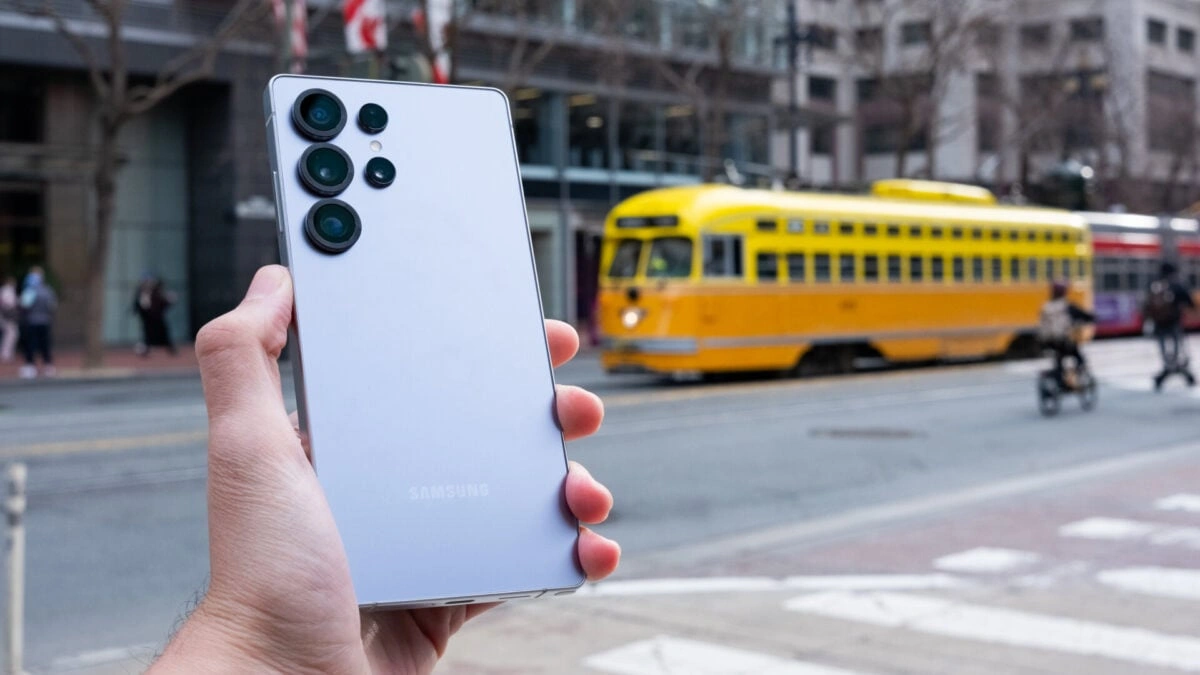
Privacy Display: Samsung's Standout Galaxy S26 Innovation
The Samsung Galaxy S26 series, set to launch on February 26, 2026, at 2:00 AM Malaysian time, brings incremental upgrades in charging, battery, and performance. But one feature dominates leaks and teasers: Privacy Display. This hardware-software solution prevents strangers from peeking at your screen, addressing a common frustration in public spaces.
Developed over five years, Privacy Display operates at the pixel level on the OLED panel, unlike software-only privacy modes or physical screen protectors. It dims or masks content from off-angles while maintaining full visibility straight-on. Samsung's official teasers emphasize its role in shielding against 'shoulder surfing'casual eavesdropping on public transit or crowded areas.
How Privacy Display Works in Practice
Users gain granular control. Activate it manually via Quick Settings or let AI trigger it automatically for banking apps, messaging, photo galleries, notifications, or PIN entry. Adjust aggression levels to balance privacy and usabilityprotect just notifications or the entire screen.
- Selective masking: Apply to specific apps, pop-ups, or picture-in-picture videos without affecting the whole display.
- Contextual automation: Kicks in during sensitive actions like password input, thwarting thieves who observe PINs before striking.
- Customization: Integrate with One UI's Modes and Routines for user-defined triggers, such as crowded locations detected via sensors.
Samsung plans developer access, enabling apps to invoke it natively. The Galaxy S26 Ultra pairs this with Corning Gorilla Armor 2 glass, though wireless charging stays Qi2-ready without magnets.
Why This Matters for Everyday Users
In an era of data breaches and opportunistic snooping, Privacy Display elevates on-device security. Traditional protectors narrow viewing angles permanently, ruining shared viewing or side glances. Samsung's approach toggles seamlesslyyour display looks normal until privacy is needed.
Consider a realistic scenario: You're on a packed subway, checking bank alerts. Notifications pop up, but Privacy Display auto-masks them from the stranger beside you. Enter your PIN; the screen obfuscates instantly. Done? Full OLED vibrancy returns. For parents, it hides gallery photos from curious kids at odd angles; professionals safeguard emails in cafes.
Building on Samsung's Security Legacy
This fuses with Knox Vault hardware and Knox Matrix ecosystem defenses, setting a new mobile privacy standard. Samsung studied real-world behaviorswhat users deem private and how protection should feel intuitive.
Leaks confirm no silicon-carbon batteries or MagSafe rivals, signaling Samsung's conservative spec evolution. Yet Privacy Display's practicality could sway upgrades, especially post-S25's iterative changes.
Forward-Looking Implications
Expect rivals like Google Pixel or Apple to counter with similar tech, accelerating pixel-level privacy across Android and iOS. For consumers wary of public exposure, it normalizes secure mobile use. Samsung's teasers hint at broader Galaxy rollout, but hardware limits it to S26 initially.
People who travel or work remotely will appreciate regaining peace of mind no more tilting phones awkwardly or investing in finicky protectors. As shoulder surfing fuels 1 in 10 data compromises per security reports, this feature directly empowers users.
The S26 launch invite spotlights Privacy Display among bold details, underscoring its marketing primacy. While full specs leak conservatively, this innovation justifies excitement amid safe bets elsewhere.
This article was written by AI from reporting by gizmodo.com.