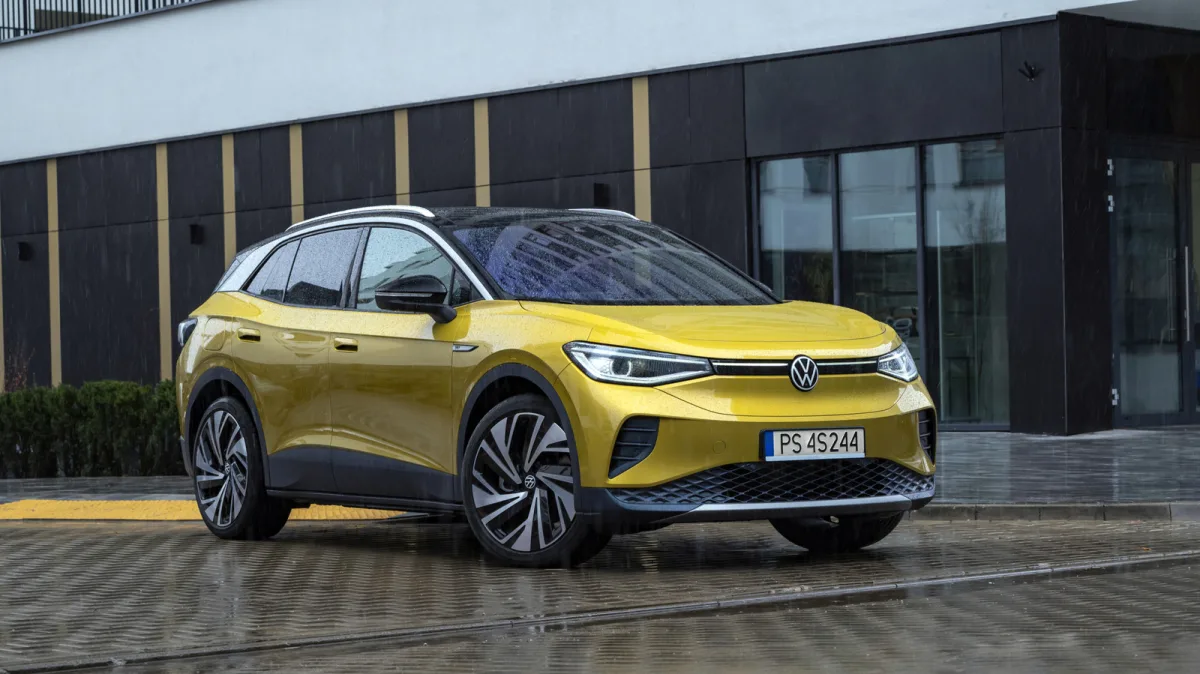
The Volkswagen reliability 2026 ratings have hit a new low, leaving potential buyers questioning the long-term cost of ownership. According to the latest JD Power Vehicle Dependability Study, the German automaker now ranks as the least dependable car brand on the market. For drivers, unexpected trips to the mechanic mean lost time and inflated ownership costs.
The 2026 study, which surveyed over 33,000 vehicle owners with at least three years of ownership, highlights a growing frustration with modern automotive technology. Volkswagen recorded a staggering 301 problems per 100 vehicles. This score sits significantly higher than the industry average of 204 problems, placing VW at the very bottom of the dependability spectrum, while brands like Lexus and Buick took the top spots.
Infotainment and Software Struggles
The core of Volkswagen's dependability crisis stems from its in-cabin technology. Consumer Reports (CR), which ranked VW at number 16 in its own reliability index, specifically pointed to the ID.4 EV for its sluggish infotainment experience and unintuitive controls. While actual driving dynamics remain solid, software bugs continue to plague the user experience.
Owners discussing long-term reliability in a Reddit thread frequently cited onboard GPS failures and software glitches as their primary complaints. The newly introduced ID.Buzz is facing similar scrutiny from industry critics. U.S. News & World Report criticized the electric van for a frustrating infotainment interface and subpar interior quality, aligning with CR's expectation that the ID.Buzz will be less reliable than the average new car.
Industry-Wide Tech and Powertrain Trends
Volkswagen is not the only manufacturer struggling with digital integration. The JD Power survey revealed an industry-wide increase of two problems per 100 vehicles compared to 2025, driven largely by failing tech features. Drivers are increasingly frustrated by poor over-the-air (OTA) update experiences and connectivity drops.
The most prevalent complaints involve smartphone integration, specifically connecting to Android Auto or Apple CarPlay, alongside Bluetooth and wireless charging failures. Powertrain complexity also plays a massive role in long-term dependability. JD Power identified a clear hierarchy in reliability across different engine types:
- Gas-powered cars: The most reliable category, showing actual year-over-year improvement with the fewest number of niggles.
- Regular hybrids: Experiencing moderate issues but remaining generally stable for daily drivers.
- Electric Vehicles (EVs): Suffering from higher problem rates, largely tied to software and charging infrastructure.
- Plug-in hybrids (PHEVs): Ranked as the most troubling powertrain overall, despite their fuel efficiency.
The Road Ahead for Automotive Tech (My Take)
The JD Power 2026 vehicle dependability results serve as a harsh reality check for legacy automakers rushing to digitize their fleets. Volkswagen’s score of 301 problems per 100 vehicles proves that replacing physical buttons with touch-capacitive sliders and complex menus actively harms brand loyalty. When a vehicle's core mechanics are overshadowed by a lagging touchscreen, the entire ownership experience degrades.
Furthermore, the data showing premium cars and PHEVs as the least dependable segments indicates that consumers are paying a premium for beta-stage technology. Buyers prioritizing long-term reliability should strongly consider gas-powered or standard hybrid models from top-ranking brands like Lexus or Toyota until manufacturers stabilize their software architectures.
This article was written by AI from reporting by bgr.com.