Toyota's Electric Highlander Takes Shape
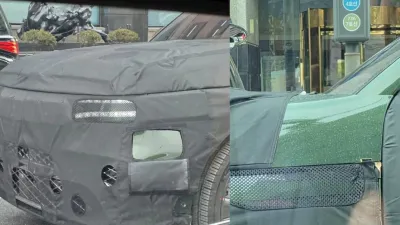
Toyota has officially locked in the Highlander name for its anticipated three-row electric SUV, building excitement just ahead of its complete reveal on February 10. This confirmation signals Toyota's commitment to expanding its EV lineup with a family-focused vehicle designed to compete in the growing three-row electric SUV segment.
From Gas to Electric: Evolving the Highlander Legacy
The Highlander has long been a staple in Toyota's midsize SUV portfolio, known for its reliability, spacious interior, and versatility for families. Current 2026 gas models feature a 2.4-liter turbocharged four-cylinder engine producing 265 horsepower and 310 lb-ft of torque, paired with standard all-wheel drive and an estimated 24 MPG combined. Hybrid variants step up efficiency with a 2.5-liter four-cylinder and electric motors delivering up to 243 hp and 35 MPG combined, seating seven passengers with 84.3 cubic feet of maximum cargo space.
The Grand Highlander variant extends this further, offering hybrid powertrains like the base 245 hp setup with 36 MPG combined or the potent Hybrid Max with 362 hp and 400 lb-ft of torque from a turbo 2.4-liter and electric motors, though at lower 27 MPG combined. These models emphasize Toyota's hybrid expertise, but the new electric Highlander shifts fully to battery power.
Platform and Expected Specs
Built on Toyota's e-TNGA platformshared with models like the bZ series, C-HR Electric, Solterra, and RZthe Electric Highlander promises front-wheel-drive and all-wheel-drive options. Analysts expect a base model with a 75-80 kWh battery and around 220 hp for urban use, while a top variant could pack a 95 kWh battery with dual motors exceeding 350 hp for family hauling.
Range projections hover around 300 miles EPA combined for the long-range version, reflecting current battery limitations for a large three-row SUV. Interior previews suggest a six-seat configuration with individual third-row seats, generous cushioning, large side windows inspired by the Sienna minivan, ambient lighting, dual wireless charging pads upfront, rear USB-C ports, and a potential 11-speaker JBL audio system. A panoramic glass roof adds to the premium feel, alongside Toyota Safety Sense 3.0 features like Full-Speed Range Dynamic Radar Cruise Control, Pre-Collision System with Pedestrian Detection, and Lane Tracing Assist.
Production and Market Positioning
Production is slated to begin in late 2026 at Toyota's Kentucky facility, positioning the Electric Highlander for U.S. consumers seeking zero-emission family transport. It directly challenges rivals like the Kia EV9 and Hyundai Ioniq 9, offering Toyota's renowned durability in an all-electric package.
Strategic Shift in Toyota's EV Strategy
Toyota's move underscores a broader pivot toward electrification while maintaining hybrid dominance. The teaser campaign highlights 'big energy' and 'bigger versatility,' hinting at bold styling and enhanced capabilities over the current 2020-era Highlander design. With towing up to 3,500 lbs and payload around 1,225 lbs in gas models, the EV version will likely prioritize efficiency and space.
Key Expected Features
- Seating: Six or seven passengers with supportive third-row seats.
- Tech: Large touchscreen, wireless charging, illuminated USB-C ports.
- Safety: Toyota Safety Sense 3.0 suite standard.
- Range: Up to 300 miles EPA estimated.
- Power: 220-350+ hp across variants.
This Electric Highlander arrives as families demand sustainable options without sacrificing practicality. Toyota's confirmation teases a vehicle blending proven family utility with cutting-edge EV tech, potentially reshaping midsize SUV sales.
Impact on the EV SUV Market
In a segment dominated by Korean brands, Toyota's entry leverages its hybrid reputation and manufacturing scale. Expect competitive pricing, though specifics await the reveal. The e-TNGA platform ensures smooth integration of batteries and motors for balanced handling, with curb weights likely around 4,500-4,700 lbs similar to hybrids.
Tomorrow's unveiling will clarify powertrains, exact range, and pricing, but the name confirmation alone boosts anticipation for Toyota's three-row EV future.
This article was written by AI from reporting by insideevs.com.