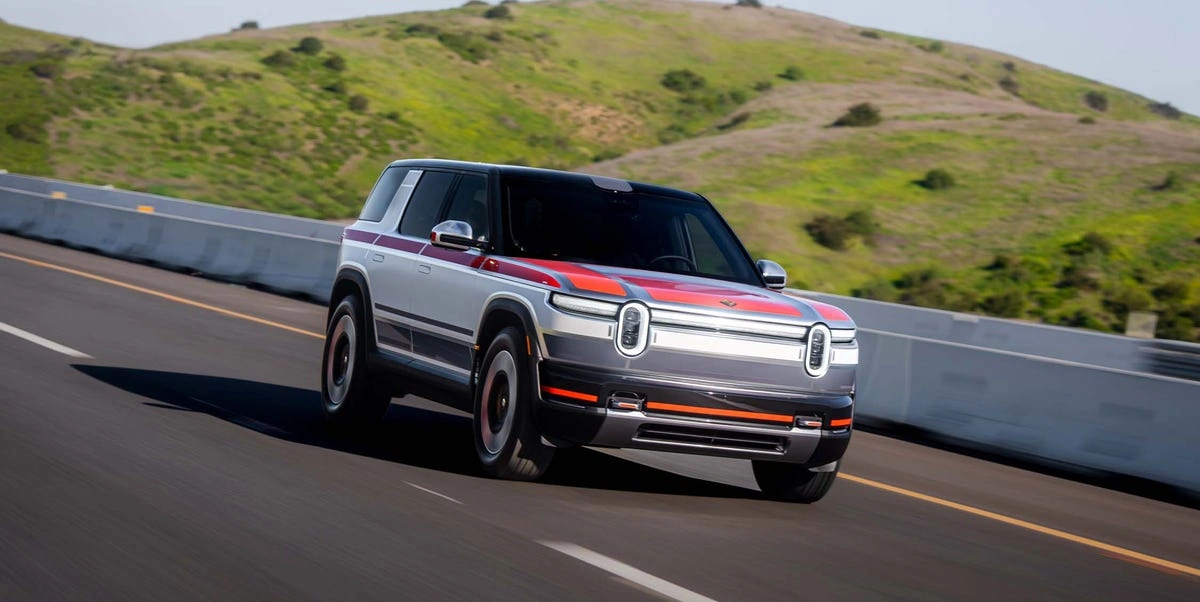
Rivian's Compact EV SUV Enters Production Phase
Rivian is ramping up production of its long-awaited R2 compact electric SUV, with customer deliveries expected to begin in mid-April 2026. According to a Rivian showroom representative in Pennsylvania, the R2 will initially launch with over 300 miles of range, marking a significant milestone for the automaker as it expands beyond its larger R1 lineup.
Validation units of the R2 rolled off the production line at Rivian's Normal, Illinois facility in mid-January, with CEO RJ Scaringe confirming that full production would commence "this Spring." This timeline aligns with Rivian's public commitment to begin both manufacturing and customer deliveries in the first half of 2026.
Production Ramp and Delivery Expectations
Rivian expects to deliver between 20,000 and 25,000 R2 units throughout 2026, contributing to a total company shipment target of 62,00067,000 vehicles. However, the company will prioritize higher-margin Performance Dual Motor configurations initially, meaning the rumored $45,000 base variant may not be available during the first delivery wave.
The R2 represents a strategic pivot for Rivian, designed to capture a broader market segment with its compact footprint and lower starting price compared to the R1 models. Pricing is expected to range from approximately $47,000 to $63,000 depending on trim level and options, positioning it competitively within the mid-size electric SUV category.
Technical Specifications and Powertrain Options
The R2 will be available in three electric powertrain configurations: single-motor rear-wheel drive, dual-motor all-wheel drive, and tri-motor all-wheel drive. The dual-motor variant produces 656 horsepower, while the tri-motor model is estimated to accelerate from 060 mph in under 3.0 seconds.
Two battery pack options will be offered, with the longest-range configurationpaired with the single-motor setupdelivering over 300 miles of range. Rivian estimates DC fast charging from 10 to 80 percent in under 30 minutes, though final charging specifications have not been released.
The interior mirrors the design language of Rivian's larger models, featuring a 15.6-inch center infotainment display and seating for up to five passengers across two rows, plus generous cargo space and a front trunk.
Why This Matters for Rivian and the EV Market
The R2's launch is critical to Rivian's financial viability. The company shifted R2 production from Georgia to its Normal, Illinois plant in 2024, a decision that saved approximately $2.25 billion while enabling earlier production timelines. This cost optimization reflects the intense pressure on EV manufacturers to achieve profitability as competition intensifies.
For consumers, the R2 represents an opportunity to access Rivian's design philosophy and technology at a more accessible price point. A buyer considering a mid-size electric SUV in 2026 could choose between the R2's premium features and the established track records of competitors like Tesla's Model Y or traditional automakers entering the segment.
Production Scaling and Market Strategy
While Q2 2026 marks the beginning of R2 deliveries, Rivian has been transparent that production will not reach full capacity until later in the year. This phased approach allows the company to refine manufacturing processes and address any quality issues before ramping to higher volumes.
The R2 launch also signals Rivian's commitment to its three-tier vehicle strategy, which includes the R1 (flagship), R2 (mid-size), and the smaller R3 and R3X crossovers unveiled alongside the R2 in March 2024. This diversified portfolio aims to address different customer segments and price points, essential for long-term market penetration.
Rivian's expansion of its North American retail network to approximately 95 locationsincluding its new Pennsylvania showroomdemonstrates confidence in near-term demand. The company is positioning itself not just as a niche EV maker but as a mainstream automotive competitor capable of serving multiple market segments.
This article was written by AI from reporting by caranddriver.com.