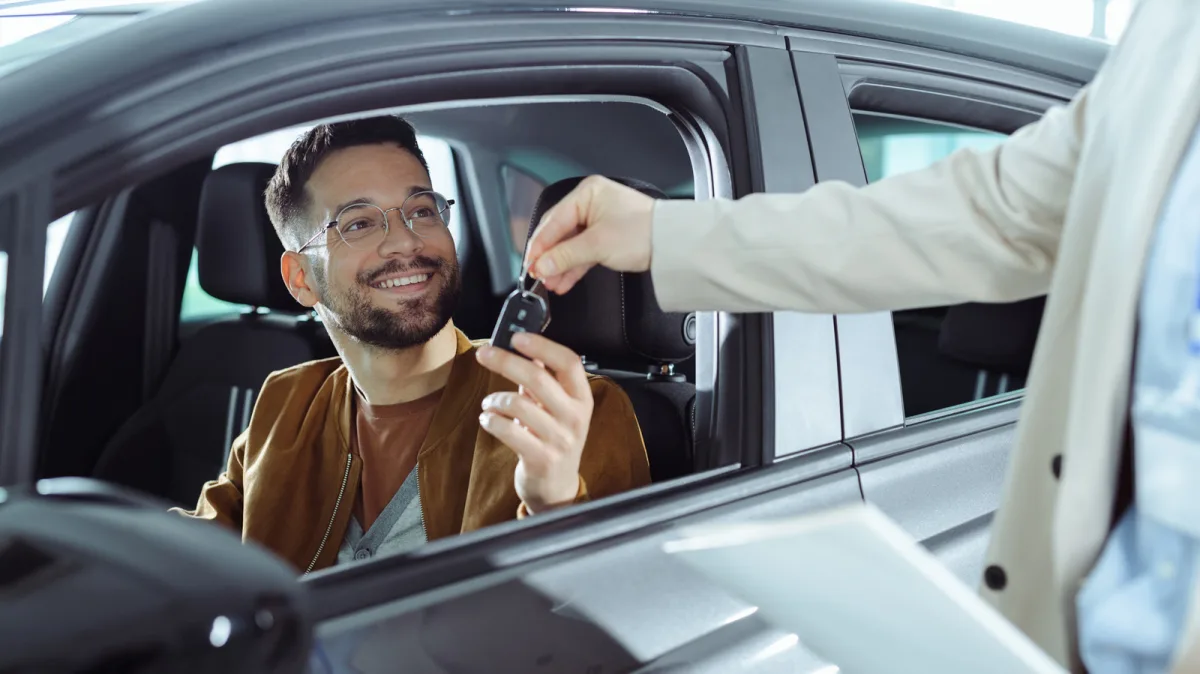
An overnight car test drive is becoming a necessity as new vehicle prices push average monthly payments above $770. With nearly a quarter of buyers now committing to seven-year loans, according to Experian data, a standard 30-minute spin around the block is no longer enough to justify the financial burden. To ease buyer hesitation, automakers and dealerships are rolling out extended test drives lasting anywhere from 24 to 96 hours.
A multi-day trial allows buyers to verify crucial details, such as whether a child seat fits comfortably through the rear doors or if the seats cause backaches during long commutes. However, before getting distracted by the prospect of taking home a shiny new vehicle, consumers must read the fine print. These extended programs come with strict mileage caps, speed limits, and potential financial penalties.
Dealership Rules and Mileage Limits
The conditions for an extended test drive vary wildly depending on the brand and the specific dealership. Most require a valid driver's license, proof of insurance, and leaving your current vehicle at the lot. Here is how the rules break down across major brands:
- Cadillac: Offers a 48-hour test drive for the Lyriq electric SUV. The vehicle must be returned in mint condition and driven no more than 200 miles.
- Tesla: Provides a 48-hour test drive with a 200-mile limit and a strict speed cap of 85 mph. They also offer a shorter overnight option with a 110-mile limit.
- Alfa Romeo: Dealer policies vary, with some offering a strict 48-hour window and others extending generous 96-hour test-drive programs.
- Land Rover & Lexus: Some dealers impose a paltry 50-mile limit and may require a complete credit application. In exchange for leaving your car, they will wash, vacuum, and perform a multi-point inspection (including fluid top-ups, tire checks, and battery inspections) on your old vehicle.
- CarMax: Allows potential buyers to test-drive a used car for 24 hours with a 150-mile limit. Buyers can schedule up to two 24-hour drives within a 30-day period, though the offer is restricted to participating stores and excludes online or delivery purchases.
How to Protect Your Security Deposit
While the advantages of an extended trial are clear, dealerships implement strict safeguards to protect their inventory. Buyers must treat the test vehicle with extreme caution to avoid unexpected costs.
- Prepare for upfront costs: Dealerships may demand a security deposit before approval, which typically hovers around $500.
- Monitor your odometer: Breaching the strict mileage limits - especially the low 50-mile cap at luxury dealers - will result in a forfeited deposit.
- Inspect for damage: If the car comes back with any dents or scratches after the test drive, the dealer will keep your money.
- Return on time: Late returns are a direct violation of the agreement and will cost you your deposit.
The Psychology Behind the 96-Hour Trial
While extended test drives seem like a generous consumer benefit, they are actually one of the most effective sales tactics in the automotive industry. This is the classic "puppy dog close" - once a Cadillac Lyriq or a Tesla is parked in your driveway and your neighbors see it, the psychological shift from testing a car to taking ownership begins. The friction of returning to your older, newly washed car at the dealership often pushes buyers to sign the paperwork.
Furthermore, the extremely low mileage limits reveal the true strategy behind these programs. Land Rover's 50-mile cap is not enough for a weekend getaway or a comprehensive road trip. It is precisely enough mileage to drive home, show the family, commute to work once, and drive back to the dealership. Buyers must recognize that these programs are designed to build emotional attachment just as much as they are meant for practical evaluation.
This article was written by AI from reporting by foxtrotalpha.jalopnik.com.