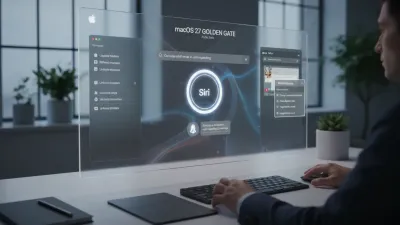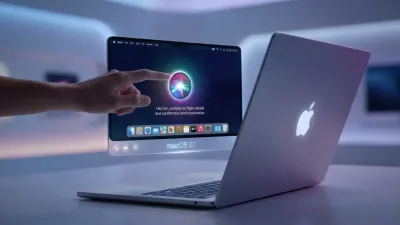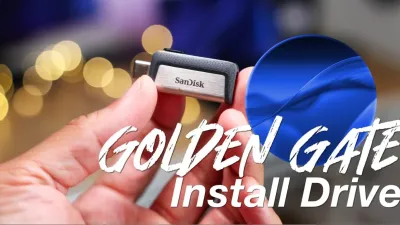
The dream of building a macOS 27 Hackintosh is officially dead, as Apple’s Golden Gate update quietly drops all support for Intel processors. For PC builders who spent nearly two decades using custom bootloaders to escape the premium pricing of Apple hardware, this software update marks the definitive end of an era. However, the true catalyst for the death of the DIY Mac movement wasn't a sudden software lockout - it was the undeniable value and efficiency of modern Apple Silicon.
A Hackintosh, for the uninitiated, is a standard PC modified to run Apple software instead of Windows or Linux. Using community-developed bootloaders like OpenCore, enthusiasts managed to trick the operating system into believing it was running on genuine Mac hardware. It was a complex puzzle, but for a dedicated corner of the internet, the challenge was entirely the point.
From Rebellion to Ritual: Why the Hackintosh Existed
To understand why the macOS 27 Hackintosh block is so significant, you have to look back at the hardware landscape of the 2010s. Buying a professional-grade Mac meant paying a massive premium, and upgrade options were notoriously limited. Power users - including video editors, developers, and music producers - took matters into their own hands.
Hackintoshes solved three very real problems for power users:
- Cost efficiency: Bypassing the so-called "Apple Tax" to get macOS without emptying their wallets.
- Raw performance: Building workstation-class rigs with desktop Intel Core i9 processors, Xeons, and multiple GPUs that comfortably outperformed Apple's own Mac Pro lineup.
- Hardware freedom: The ability to swap graphics cards, add RAM, and upgrade storage at will, all while retaining access to Final Cut Pro and Logic Pro.
Entire communities formed around compatibility databases and OpenCore configurations. As one community member noted during the transition, the end of the movement "wasn't sudden. It was six years in the making."
How Apple Silicon Flipped the Script
The real countdown for the Hackintosh began in 2020 with the launch of the original M1 chip. Initially viewed as just another architectural transition, Apple Silicon delivered processors that combined unprecedented performance with exceptional thermal efficiency. As macOS evolved to integrate tightly with this custom silicon, Intel-based Hackintosh projects slowly became stranded on older assumptions.
5-years-ago, I was building PCs to run macOS because Mac hardware was abysmal. Now, people want Apple’s hardware to run Windows and Linux because it’s so good.
- Quinn Nelson, SnazzyLabs
Today, the script has completely flipped. The introduction of the MacBook Neo has made the ecosystem highly accessible to students, while the MacBook Air dominates the thin-and-light category. More importantly, the Mac mini has become a powerhouse for home labs, local AI projects, and OpenClaw-style deployments. People are no longer building PCs to run macOS; they are buying Macs specifically for the hardware.
The ARM Dream and the Hardware Reversal
With the rise of Snapdragon laptops and NVIDIA RTX Spark machines, some enthusiasts have wondered if the Hackintosh could simply pivot to ARM architecture. However, Apple Silicon is not just a generic ARM chip. It is a tightly woven cocktail of custom hardware, unified memory, and proprietary software optimizations. Recreating that synergy on generic ARM hardware would be a monumental engineering headache.
Ultimately, the Hackintosh wasn't defeated by aggressive lawsuits or insurmountable software lockouts. It simply outlived the problem it was created to solve. Apple's shift to its own silicon closed the performance gap and made entry-level Macs genuinely affordable. The Hackintosh will be remembered as one of the internet's greatest engineering side quests - a rebellion that gracefully retired when the empire finally built a better machine.