The anticipation for macOS 27 features is already building, even though Apple's next major desktop operating system is months away from its official debut. While the current version of macOS continues to mature, industry insiders and early code snippets suggest that Apple is preparing a substantial leap forward, particularly in how generative AI integrates with the core system architecture. As we approach the traditional Worldwide Developers Conference (WWDC) window, the focus is shifting toward how macOS 27 will redefine productivity for Mac users in late 2026.
This upcoming update is expected to be more than just a visual refresh; it represents a strategic pivot toward deeply embedded machine learning capabilities that run locally on Apple Silicon. Below, we analyze the credible rumors, expected release timelines, and the potential hardware requirements that will define the macOS 27 experience.
Expected Release Timeline
Apple adheres to a rigorous software development cycle, making the release schedule for macOS 27 relatively predictable despite the lack of official confirmation. Based on historical patterns over the last decade, the roadmap is likely to unfold as follows:
The journey begins with the official unveiling at WWDC in June 2026. This keynote will showcase the marquee features and immediately open the developer beta channels. Following a summer of rigorous testing and refinement, a public beta is expected by July, allowing non-developers to test the waters. Finally, the stable public release typically lands in late September or October, often coinciding with new Mac hardware announcements.
Rumored Features: The AI Expansion
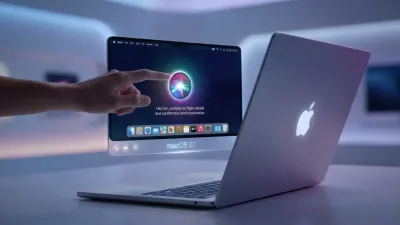
The most persistent rumors surrounding macOS 27 center on the next evolution of Apple Intelligence. Unlike previous iterations that focused on specific apps, macOS 27 is rumored to introduce a system-wide generative layer. This could mean that Spotlight Search evolves into a context-aware assistant capable of performing complex multi-step tasks across different applications without user intervention.
Additionally, user interface refinements are expected to borrow heavily from the spatial design language of visionOS. Rumors suggest deeper integration with Apple's mixed reality headset, potentially allowing for higher-resolution virtual displays and lower latency when mirroring a Mac screen. This convergence of ecosystems indicates Apple's intent to make the Mac the central hub for spatial computing workflows.
Hardware Compatibility and Support
With the transition to Apple Silicon now fully mature, macOS 27 may mark a significant turning point for hardware support. Industry analysts predict that this version could be the first to exclusively require Apple Silicon chips, potentially dropping support for the last remaining Intel-based Macs. Furthermore, to support the advanced on-device AI models, the entry-level RAM requirement for utilizing all features might see an effective increase, favoring machines with M3 chips or later for peak performance.
Summary of Expectations
| Category | Expected Detail | Probability |
|---|---|---|
| Announcement | WWDC Keynote (June 2026) | High |
| Core Focus | System-wide Generative AI | High |
| Architecture | Apple Silicon Exclusive (Likely) | Medium |
| Release Date | October 2026 | High |
Frequently Asked Questions
When will the macOS 27 beta be available?
The developer beta is expected to launch immediately after the WWDC keynote in June 2026, with a public beta following in July.
Will macOS 27 support Intel Macs?
Rumors suggest macOS 27 might be the first version to drop Intel support entirely, focusing exclusively on the capabilities of Apple Silicon.
Is the update free?
Yes, macOS 27 will be a free software update for all compatible Mac computers, consistent with Apple's long-standing policy.
My Take
macOS 27 appears to be the update where Apple finally flexes the full muscle of its Neural Engine. While the visual changes might be subtle, the under-the-hood shift toward an AI-first OS is significant. If the rumors of dropping Intel support hold true, it will allow engineers to strip away legacy code and optimize performance drastically. For users, this means 2026 will be the year the Mac feels truly 'intelligent' rather than just a tool for executing commands.
This article was written by AI from reporting by macrumors.com.