Starlink is fundamentally changing how new customers access its satellite internet network, replacing its traditional one-time hardware purchase with a mandatory $10 monthly rental fee. This shift significantly lowers the initial barrier to entry but introduces long-term recurring costs, arriving alongside a recent $5 to $10 increase across its monthly service plans.
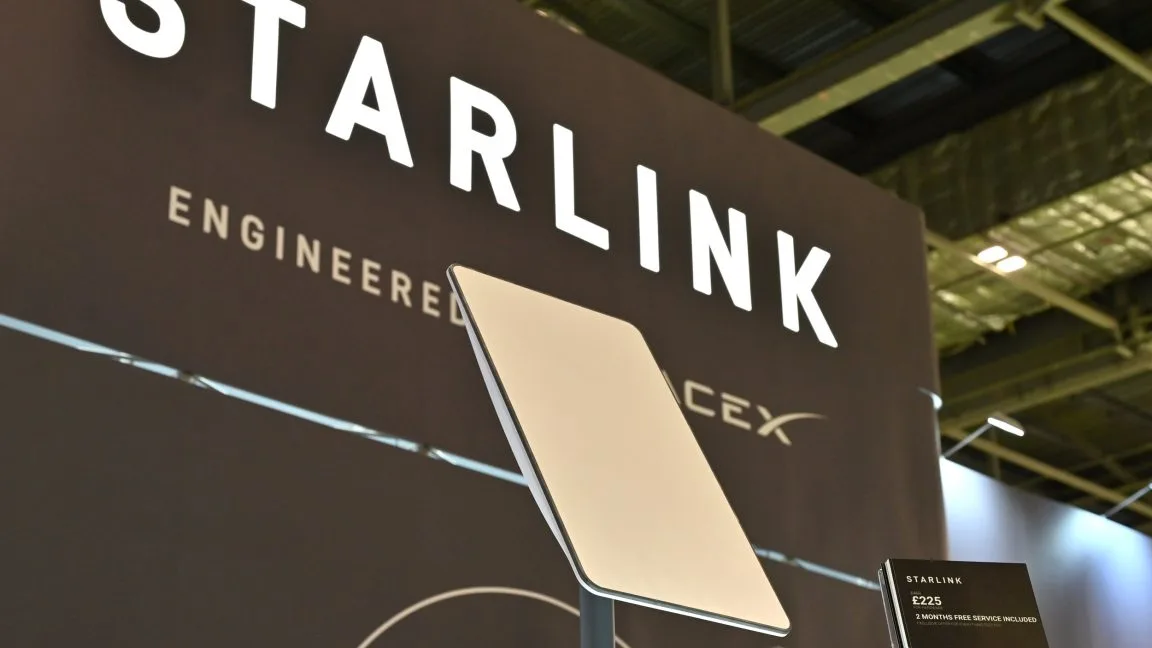
The new pricing model eliminates the hefty upfront cost for the Starlink kit, which includes the satellite terminal and home router, dropping it to $0 at checkout. Instead, users will see a $10 monthly hardware fee added to their bill. This move aligns SpaceX’s internet division more closely with traditional cable and telecom companies that have long relied on equipment leasing.
The updated monthly service tiers are now structured as follows:
- 100Mbps plan for $55 per month.
- 200Mbps plan for $85 per month.
- "Max" tier offering up to 400Mbps for $130 per month.
Customers can opt for professional installation for a one-time fee of $199, though this fee is waived for subscribers on the Max plan. However, the rental model comes with a significant restriction: according to an official Starlink support article, customers who rent their hardware are no longer allowed to pause their service.
The rental program is rolling out globally. Reports indicate the $10 fee is now appearing for new customers in the US, Canada, the UK, France, Australia, and Mexico. While the direct sign-up page currently defaults to renting, a separate Starlink support article notes that existing renters can submit a support ticket to purchase their kit outright. Alternatively, users who prefer to own their equipment from day one can still purchase kits through authorized third-party retailers.
The Cable Company Transformation
By eliminating the steep upfront hardware cost, Starlink is aggressively targeting a broader demographic that previously balked at paying hundreds of dollars just to try the service. However, the inability to pause service for renters is a calculated move to eliminate the seasonal "van life" and RV users who only paid for a few months a year.
Ironically, by enforcing monthly equipment fees and locking users into continuous billing, the ultimate disruptor of traditional ISPs is adopting the exact same playbook that made legacy cable companies so unpopular. While the $0 checkout price will undoubtedly drive subscriber growth, long-term users will ultimately pay far more under this new rental regime.