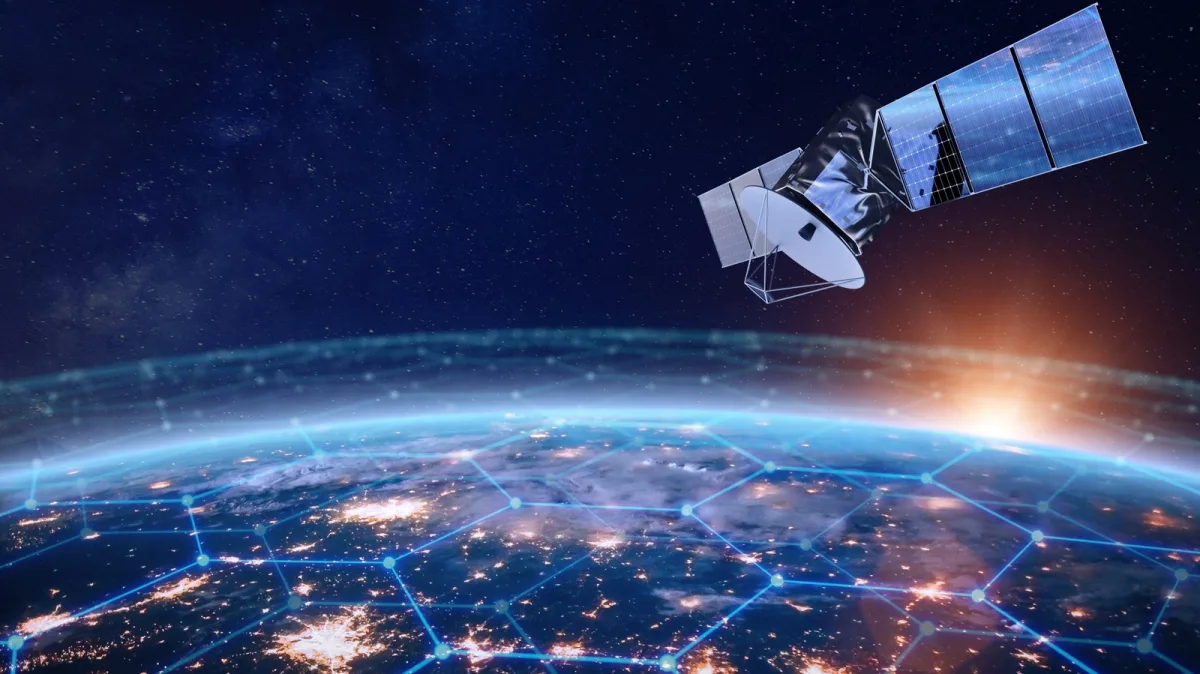
SpaceX's Starlink satellites are evolving far beyond their original mandate of delivering high-speed internet to rural areas. By leveraging a low Earth orbit (LEO) constellation that reduces latency to roughly 25ms - compared to the sluggish 600ms delays of traditional geostationary satellites - the network is now actively powering global law enforcement and environmental protection initiatives.
Aiding the FBI and Thwarting Scammers
In 2026, Starlink equipment played a crucial role in helping the FBI dismantle a global scammer ring preying on Americans. Criminal organizations in Southeast Asia had established operations in highly isolated locations, relying on the satellite network for connectivity.
While specific operational details remain classified, the company confirmed on X that it "proactively detect[s] and disable[s] terminals involved in illegal activity." This marks a significant shift in how satellite providers monitor and police the hardware operating on their networks.
Wildfire Detection and Rainforest Conservation
The network's low-latency connectivity is also being deployed to combat severe environmental threats. Following a devastating period for Canadian wildfires - where over 6.4 million acres burned across more than 1,700 recorded fires by June 2025 - Rogers Communications partnered with Starlink to connect specialized Pano AI cameras in remote forests.
These devices capture 360-degree images at short intervals to instantly alert authorities to early signs of smoke. Similarly, Swarm, a satellite company acquired by Starlink in 2021, is powering Rainforest Connection's efforts in the Amazon.
The organization uses cutting-edge audio sensors to detect the sounds of illegal logging machinery, transmitting the data over the LEO constellation to trigger immediate intervention by local authorities.
The Hidden Cost of Orbital Dominance
While Starlink's transition from a consumer internet provider to a critical global infrastructure tool is impressive, it highlights a growing geopolitical and logistical crisis in space. The recent necessity to lower over 4,000 satellites following a near-miss with China underscores the severe congestion in low Earth orbit.
As specialized AI hardware and law enforcement agencies become increasingly dependent on this specific constellation for real-time data, the risk of orbital collisions threatens not just internet access, but the very emergency response systems now built on top of it. The industry must urgently address space traffic management before this vital network becomes a victim of its own massive scale.