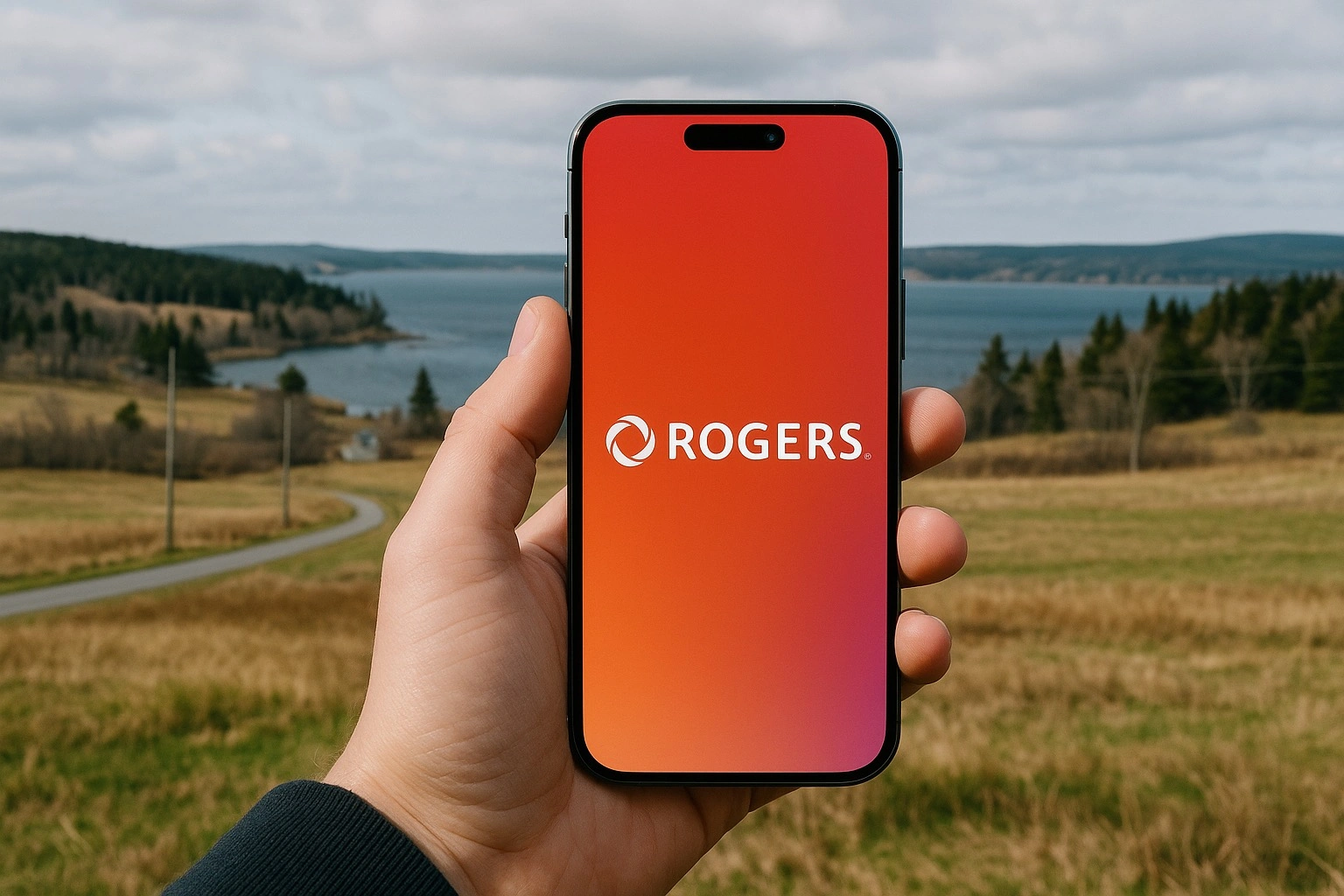
Rogers iPhone users participating in the Apple Beta Software Program have discovered a significant network upgrade within the latest iOS 26.4 Beta release. Following a similar rollout by competitor Telus last week, Rogers has silently flipped the switch on 5G Standalone (SA) capabilities, allowing compatible iPhones to connect exclusively to the 5G core network without relying on legacy LTE infrastructure. This update marks a pivotal shift from the transitional Non-Standalone (NSA) networks that have defined the early 5G era in Canada.
The Shift to True 5G: Standalone Architecture Explained
For years, most "5G" icons on smartphones represented Non-Standalone (NSA) connections. In an NSA setup, the phone uses 5G frequencies for data throughput but still relies on an older 4G LTE core for signaling and control tasks. While this provided a speed boost, it did not unlock the full potential of next-generation connectivity. The new 5G Standalone support found in iOS 26.4 changes this dynamic entirely.
By connecting directly to a 5G core, Rogers users can now experience the "pure" benefits of the technology. This architecture significantly reduces latencythe time it takes for data to travel from the device to the server and backwhich is critical for real-time applications like cloud gaming and augmented reality. Furthermore, because the modem no longer needs to maintain a simultaneous connection to an LTE anchor band, users should observe a noticeable improvement in battery efficiency during heavy network usage.
Voice Over 5G (VoNR): Crystal Clear Calls
Alongside the data upgrade, the iOS 26.4 Beta update introduces a toggle for Voice over 5G Standalone, technically known as Voice over New Radio (VoNR). Previously, when a user on a 5G connection made or received a voice call, the phone would often drop down to LTE (VoLTE) to handle the audio traffic. This fallback process could introduce slight delays and drain additional power.
With VoNR enabled, voice calls remain on the 5G network. This results in faster call setup times and higher audio fidelity. For Rogers subscribers, this means that browsing speeds won't throttle down to LTE levels while they are on a phone call, ensuring a seamless multitasking experience for professionals who tether data while conferencing.
How to Enable 5G Standalone on Rogers
If you are running the iOS 26.4 Beta on a compatible device (iPhone 14 series or newer), you must manually activate these features, as they are often disabled by default to preserve stability during the testing phase. Follow these steps to unlock the full network capability:
- Open the Settings app on your iPhone.
- Navigate to Cellular and select your primary Rogers line.
- Tap on Cellular Data Options and then select Voice & Data.
- Ensure 5G Auto or 5G On is selected.
- Look for the new 5G Standalone toggle and switch it to the ON position.
- If available, enable the Voice over 5G Standalone toggle that appears below it.
| Feature | 5G Non-Standalone (NSA) | 5G Standalone (SA) |
|---|---|---|
| Core Network | Relies on 4G LTE Core | Native 5G Core |
| Latency | Standard (similar to LTE) | Ultra-Low (Real-time response) |
| Battery Impact | Higher (Dual connectivity required) | Lower (Single radio connection) |
| Voice Calls | Drops to LTE (VoLTE) | Stays on 5G (VoNR) |
My Take: A Necessary Step for Canadian Telecom
The activation of 5G Standalone by Rogers in this beta cycle is more than just a settings toggle; it is the maturation of Canadian telecommunications infrastructure. While Telus beat them to the punch in the beta cycle by a few days, Rogers' implementation appears robust. For the average consumer, the immediate benefit will be battery life rather than raw speed. However, for the tech ecosystem, this paves the way for network slicing and enterprise-grade IoT applications that simply weren't possible on the hybrid NSA networks. I recommend adventurous users try it, but remember: beta carrier profiles can occasionally cause connectivity hiccups.
Frequently Asked Questions
Does 5G Standalone use more data than standard 5G?
No, 5G Standalone does not consume more data. It simply processes the data more efficiently through a dedicated 5G core, potentially improving latency and battery life.
Which iPhones support Rogers 5G Standalone?
Generally, iPhone 14 and newer models support 5G Standalone, provided the carrier has enabled the profile. You must also be running iOS 16.4 or later (in this case, the specific iOS 26.4 Beta).
Why is the 5G Standalone toggle greyed out?
This usually happens if your current SIM card is outdated or if you are in an area where Rogers has not yet deployed their 5G Core infrastructure. A SIM swap or moving to a major urban center may resolve this.
This article was written by AI from reporting by iphoneincanada.ca.