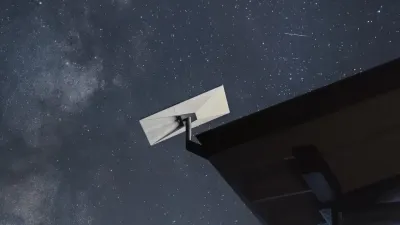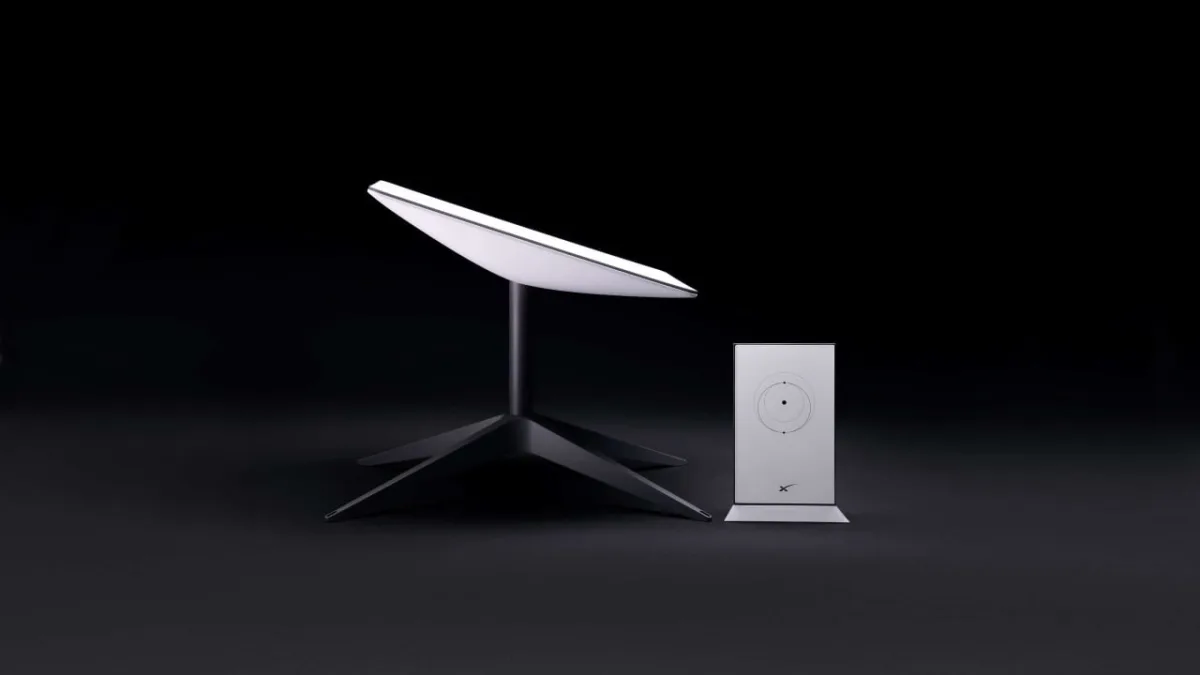
Starlink customers will now see a mandatory $10 monthly dish rental fee added to their bills following SpaceX's recent public market debut. The satellite internet provider has officially ended its policy of including the Standard dish at no extra cost, shifting to a recurring revenue model that affects subscribers across all residential tiers. According to data shared by Notebookcheck, this pricing overhaul is a direct strategy to boost profitability in the Elon Musk-led company's new financial era.
The new hardware fee applies universally to the company's core residential offerings, raising the baseline cost of satellite internet access. Users who previously enjoyed subsidized hardware will now see the rental charge integrated directly into their monthly invoices.
New Residential Pricing Tiers
The mandatory $10 (approximately €9.20) rental fee alters the monthly cost structure for all standard speed tiers. The updated pricing breakdown is as follows:
- 100 Mbps Plan: $55 per month, plus the $10 hardware fee.
- 200 Mbps Plan: $85 per month, plus the $10 hardware fee.
- Residential Max: $130 per month, plus the $10 hardware fee (totaling $140 monthly).
This regulatory change promises to inject a massive amount of recurring revenue into SpaceX's coffers. With Starlink currently serving 12 million active customers across more than 150 countries, the $10 monthly rental fee translates to roughly $120 million in additional gross revenue every single month. This hardware monetization push arrives just days after SpaceX shares surged on the financial market, jumping 30% from approximately $160 to $210.
Gen 4 and V3 Satellite Upgrades
Alongside the new rental model, users who want the highly portable Mini Dish will now have to purchase the device entirely separately, losing the inclusion flexibility of previous contracts. Meanwhile, the market is awaiting the rollout of the fourth-generation (Gen 4) Starlink Standard kit, which features a lighter design and native support for the upcoming V3 satellites.
These future V3 satellites are expected to shatter current technological ceilings, promising up to 100 times more bandwidth. The updated Mini dish is also expected to benefit from this hardware refresh, reportedly gaining mobility-focused features like an integrated battery and USB-C power delivery.
The Wall Street Reality Check
The shift from subsidized hardware to a mandatory rental model is a classic post-IPO profitability play. By locking 12 million users into a $10 monthly hardware fee, SpaceX is instantly creating a highly predictable, high-margin revenue stream that public market investors demand. The $120 million monthly cash injection will likely directly fund the capital-intensive deployment of the V3 satellite constellation.
This move also sets a clear precedent for the future of the service. As Starlink transitions from a growth-at-all-costs startup to a publicly traded telecom giant, the era of aggressive loss-leader hardware pricing is over. Current and future users should expect tighter monetization of equipment, stricter tiering, and a business model that increasingly resembles traditional terrestrial internet service providers.