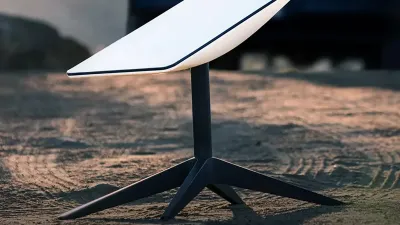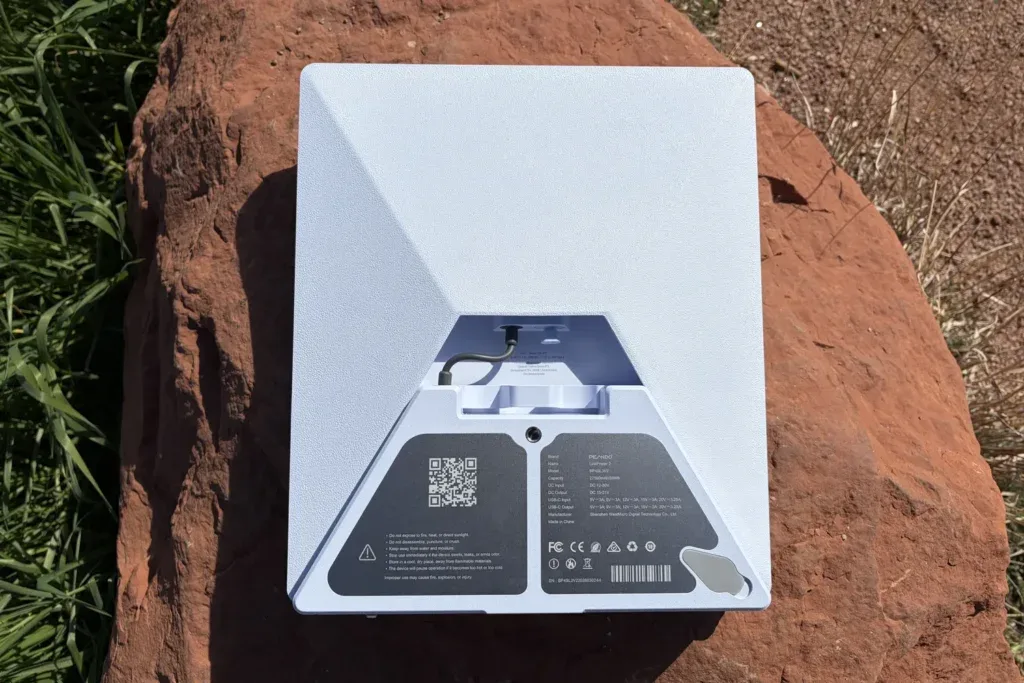
PeakDo's **LinkPower 2** battery transforms the **Starlink Mini** into a truly portable internet powerhouse, offering over 5 hours of untethered high-speed connectivity in remote areas where 4G or 5G fails. Digital nomads, van lifers, and off-grid adventurers gain the freedom to position their dish optimally - up to 50 meters away in shaded spots - without snagging cables, enabling seamless work from a parked van's dashboard or passenger seat during mountain drives.
This second-generation power bank slots securely into the Starlink Mini's back like SpaceX's standard mount, adding just 667g to the 1.1kg dish for easy one-handed handling. A short DC-to-DC barrel cable ensures wireless operation, while Bluetooth control via a web app (iPhone users need Bluefy Web BLE Browser app) lets you monitor battery status remotely, avoiding roof climbs.
Key upgrades include a native DC barrel input matching the Starlink Mini's power port, allowing use of the included dish cable for charging. A new breakaway magnetic dongle prevents accidental tugs from yanking the setup down, and battery bypass mode powers the Mini directly from external sources like vehicle USB-C jacks (28W steady output) or solar panels (7.3W tested), reducing battery wear and heat.
Real-World Performance and Runtime
Tester Thomas Ricker clocked 5 hours 30 minutes of runtime on a full charge in the Pyrenees, an hour more than the original LinkPower 1, with Starlink Mini averaging 18W in rural spots. Recent Starlink software updates dropped idle power to 15-18W, boosting efficiency across both batteries and extending sessions - pairing with a folding solar panel stretched use to over 7 hours.
Without this battery, Starlink Mini demands 100W (20V/5A) sources, as it won't run on 65W USB PD or lower per official specs. LinkPower 2's bidirectional USB-C handles up to 65W output for phones/laptops, recharges at 65-100W (1h40m full via USB-C), or slower via DC (57W) or magnetic dongle (55W).
IP65-rated for dust/water when stationary (ports covered), it's not for moving vehicle roofs without extras like PeakDo's suction mount or a user-added magnet on the tripod mount. The web app feels janky but functional for status checks.
Pros, Cons, and Pricing
- Over 5 hours untethered Starlink Mini runtime
- Simultaneous powering and recharging for indefinite use
- Magnetic breakaway dongle and DC bypass mode
- Flexible placement without cable hassles
- Expensive at $219 for 99Wh (vs. $119 original, now $159)
- Basic web app experience
Available for $219 at PeakDo, it's pricier than generic 99Wh banks, but tailored integration justifies it for Starlink users needing reliability over cost. The original LinkPower 1 suits budget setups unless the extra hour, dongle, or bypass are essential.
My Take
With Starlink Mini's power efficiency now at 15-18W idle - confirmed via software updates - the LinkPower 2's 99Wh capacity reliably hits 5+ hours, making it indispensable for van-based remote workers facing inconsistent cell signals. This $219 premium over generics signals PeakDo's bet on ecosystem lock-in, likely capturing most serious users as off-grid demand surges, especially with solar trickle-charging enabling multi-day autonomy in tests.
For mobile pros, it shifts Starlink from tethered hassle to seamless tool, potentially doubling productive hours in transit-heavy lifestyles like Ricker's Pyrenees van adventures.