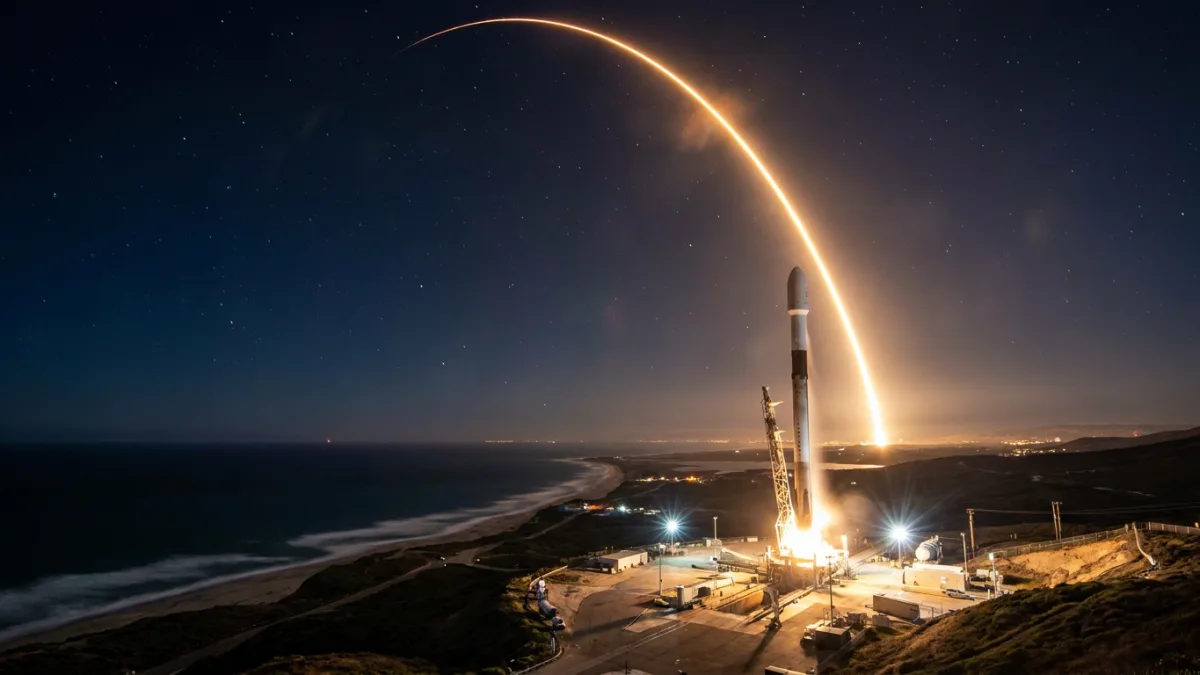
SpaceX is expanding its massive broadband constellation with the deployment of 27 Starlink V2 Mini Optimized satellites, launched aboard a Falcon 9 rocket from Vandenberg Space Force Base. The mission marks the company's 81st Starlink-dedicated flight of the year, continuing an aggressive cadence that dominates the global spaceflight industry. Lifting off from Space Launch Complex 4 East, the rocket follows a southeasterly trajectory that hugs the Californian coastline.
This specific flight path makes the ascent visible to millions of residents along the coast as the vehicle climbs into low Earth orbit. The payload of 27 satellites is scheduled for deployment just over an hour into the mission, further thickening the network's global bandwidth capacity.
Booster B1093 Reaches 17th Flight Milestone
The mission relies on Falcon 9 booster B1093, which is completing its 17th trip to space and back. Before this flight, the first stage successfully supported two missions for the U.S. Space Force’s Space Development Agency (SDA), the Transporter-16 rideshare, and 13 previous batches of Starlink satellites. Approximately eight and a half minutes after liftoff, the booster is programmed to touch down on the droneship Of Course I Still Love You, stationed in the Pacific Ocean.
A successful recovery represents the 225th landing on this specific vessel. It also marks the 662nd overall booster recovery for SpaceX, a critical metric in the company's strategy to drive down the cost of orbital access through rapid hardware turnaround.
The Economics of Extreme Reusability
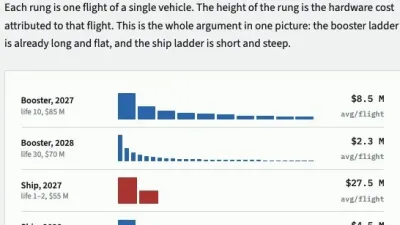
Hitting 81 Starlink missions in a single year underscores a launch frequency that no other aerospace entity can currently match. By pushing booster B1093 to its 17th flight and securing the 662nd overall Falcon landing, SpaceX is actively demonstrating the economic viability of extreme hardware reuse. This operational efficiency is what allows the company to deploy heavy, high-capacity V2 Mini Optimized satellites at a pace that keeps its broadband network ahead of global demand.
This relentless deployment rhythm creates a formidable barrier to entry for competing satellite internet providers. While rivals like Amazon's Project Kuiper are still working to establish a steady launch cadence, SpaceX is leveraging its massive fleet of flight-proven boosters to continuously upgrade its orbital infrastructure without waiting on new manufacturing cycles.