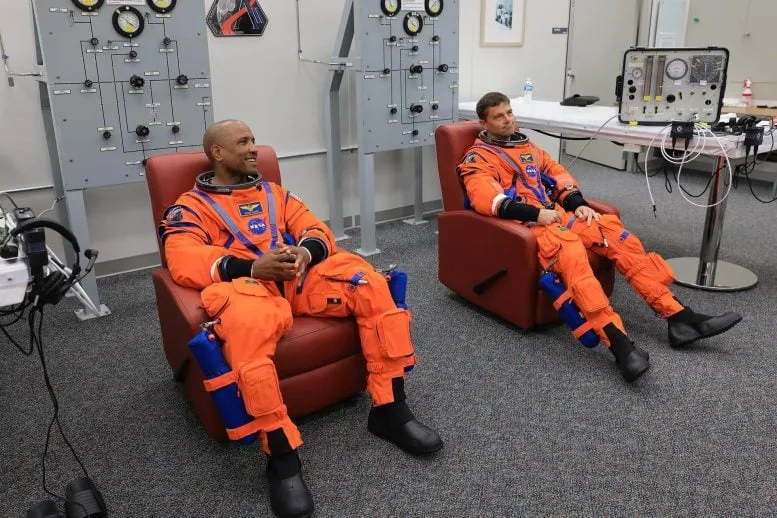
Months after completing the historic 10-day Artemis II mission around the Moon, NASA astronauts Victor Glover and Reid Wiseman are officially transitioning into emeritus roles at the Johnson Space Center this September. The move shifts the two spaceflight veterans from active duty to specialized mentorship positions. This ensures their recent deep-space experience directly informs the upcoming Artemis III and Artemis IV lunar missions.
The emeritus program is designed to allow highly experienced NASA personnel to continue contributing their expertise after leaving their full-time roles. Participants volunteer their time to train and mentor current employees, giving the agency continued access to specialized knowledge. At the same time, the program grants the astronauts greater freedom to pursue aerospace, leadership, and public service opportunities outside the agency.
"Reid commanded Artemis II after previously spending 165 days aboard the International Space Station," NASA Administrator Jared Isaacman explained, noting that Glover brought vital experience as a naval aviator and test pilot. Isaacman emphasized that their transition will allow them to share critical lessons with flight controllers and engineers preparing for the 2027 launch of Artemis III.
As I grow into this new role, NASA and spaceflight remain a meaningful part of my journey of service. I’m excited to keep uplifting my friends and cheering them on as they reach for the Moon.
- Victor Glover, NASA
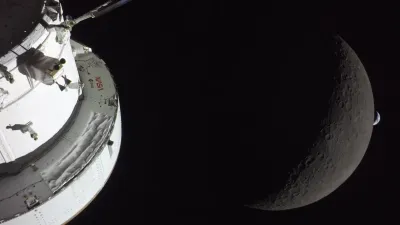
Glover and Wiseman made history alongside NASA astronaut Christina Koch and Canadian Space Agency (CSA) astronaut Jeremy Hansen. When their Orion spacecraft safely splashed down on April 10, they became the first humans in more than 50 years to travel to lunar orbit. During the journey, propelled by the Space Launch System (SLS) rocket, the four-person crew flew farther into space than any humans had before.
Preparing the Ground for Artemis III and IV
The hands-on experience gained during the Artemis II test flight is now a critical asset for NASA's operational roadmap. Wiseman and Glover will focus on knowledge transfer as the agency prepares for increasingly complex lunar operations.
- Orion Systems Mastery: Glover will pass along his intimate technical knowledge of the Orion spacecraft systems, ensuring future pilots understand how the vehicle behaves in the deep-space environment.
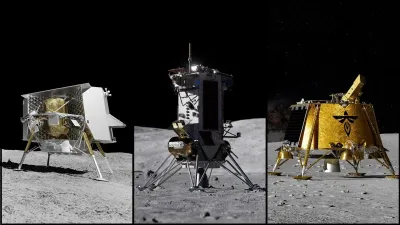
- Low Earth Orbit Docking: Wiseman will assist in preparing crews for Artemis III, which will take place in low Earth orbit to test rendezvous and docking capabilities between Orion and commercial human landing systems.
- Lunar Surface Return: Both astronauts will provide strategic support as NASA targets the lunar South Pole for Artemis III, laying the groundwork for returning American astronauts to the lunar surface during Artemis IV in 2028.
The Strategic Value of the Emeritus Roster
NASA’s decision to move its most recent lunar veterans into emeritus roles rather than immediate retirement is a calculated strategy to prevent institutional brain drain. Following the Apollo program, the rapid departure of flight-tested astronauts left a gap in hands-on mentorship for the Space Shuttle generation. By formalizing this volunteer advisory structure, NASA ensures that the exact pilots who stress-tested the SLS and Orion hardware are writing the operational playbooks for the next decade.
This transition also highlights a shift in how modern space agencies manage talent. As commercial spaceflight expands, highly decorated astronauts like Glover and Wiseman are in high demand in the private sector. The emeritus status acts as a bridge, allowing them to pursue lucrative or impactful civilian aerospace roles while keeping their security clearances and technical insights actively engaged at the Johnson Space Center. For the crews of Artemis III and IV, having the commanders of the first modern Moon mission on speed dial could be the difference between a successful docking and a critical failure.