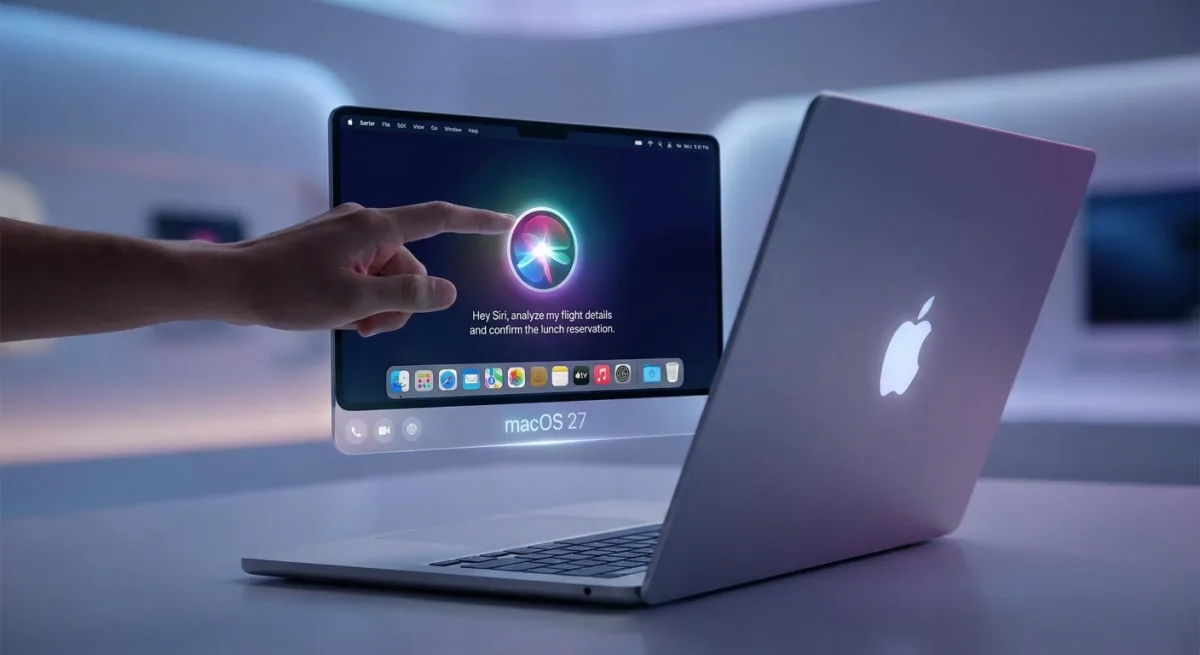
Apple is officially closing the chapter on Intel-based Macs and preparing the ground for touchscreen laptops with the upcoming release of macOS 27. Scheduled to be unveiled at the WWDC 2026 keynote on Monday, June 8, the next major operating system update promises a massive shift in how users interact with their Mac hardware. Following the keynote, developers will get immediate access to the first beta, with a public beta expected in July and a final release in September.
This update is critical for everyday Mac users and IT administrators who need to audit their current hardware and backup solutions. By dropping legacy architectures and integrating deep system-level AI, macOS 27 forces users to adapt to Apple's modern silicon ecosystem while fundamentally changing how voice commands and touch inputs function on desktop.
The End of Intel and Legacy Backups
As Apple announced last year, macOS Tahoe was the final major release for Intel-based machines. Consequently, macOS 27 will be strictly compatible with Apple silicon Macs powered by the M1 chip and newer. While Apple will likely continue providing security patches for older Intel models for a few more years, all new feature development is now exclusively locked to the M-series architecture.
Furthermore, Apple is deprecating legacy network storage protocols. Starting with macOS 27, Macs will no longer support the AirPort Time Capsule or any storage drives relying on the Apple Filing Protocol (AFP). Users relying on these older Time Capsule backups must migrate to storage drives that support modern, secure file-sharing protocols like SMBv2 and SMBv3.
A Touch-Optimized Interface
Anticipating future hardware changes, Apple is reportedly building touch optimizations directly into macOS 27. According to a report by Bloomberg's Mark Gurman, these interface tweaks are designed for a highly rumored touchscreen MacBook Pro or "MacBook Ultra" expected to launch by early 2027.
The touch interface will dynamically adapt to user input. If a user touches a screen control, a contextual menu of commands will instantly appear around their finger. Similarly, tapping the top menu bar will automatically enlarge the controls to make them more finger-friendly. These specific UI changes may remain hidden in the software code until the new hardware officially launches.
Next-Gen Siri and Apple Intelligence
Artificial intelligence remains a core focus, with macOS 27 introducing a dedicated Siri app that features full conversation history, bringing it closer to the functionality of OpenAI's ChatGPT and Google's Gemini. Earlier this year, Apple confirmed that Google Gemini will help power future Apple Intelligence features, extending its capabilities well beyond basic voice commands.
The update will also deliver the highly personalized Siri capabilities first previewed at WWDC 2024. During a recent earnings call, Apple CEO Tim Cook reiterated the company's commitment to launching a more personalized Siri this year. The system will be able to cross-reference personal data, such as pulling flight details and lunch reservations directly from the Mail and Messages apps to answer complex user queries.
The "Snow Leopard" Treatment
Beyond new features, macOS 27 is shaping up to be a foundational refinement update, drawing comparisons to 2009's legendary Mac OS X Snow Leopard. Apple is heavily focused on improving underlying performance, squashing bugs, and enhancing overall system stability. Users can also expect some much-needed visual polish, including rumored Liquid Glass design enhancements to modernize the desktop aesthetic.
The Inevitable Convergence of macOS and iPadOS
The strategic direction of macOS 27 reveals Apple's long-term vision for its computing platforms. By introducing touch-optimized UI elements and a dedicated Siri app, the historical boundary between the Mac and the iPad is rapidly dissolving. The fact that touch controls will dynamically enlarge when tapped suggests Apple is finally solving the ergonomic challenges that previously kept macOS strictly tied to a mouse and keyboard.
Furthermore, the hard cutoff for Intel Macs and AFP storage drives highlights a ruthless but necessary modernization of the Mac ecosystem. By forcing users onto M-series chips and SMBv3 protocols, Apple ensures that its demanding Apple Intelligence features - which rely heavily on the Neural Engine - run without the bottlenecks of legacy hardware. For consumers still holding onto 2019-era Intel MacBooks, macOS 27 is the definitive signal that it is time to upgrade.