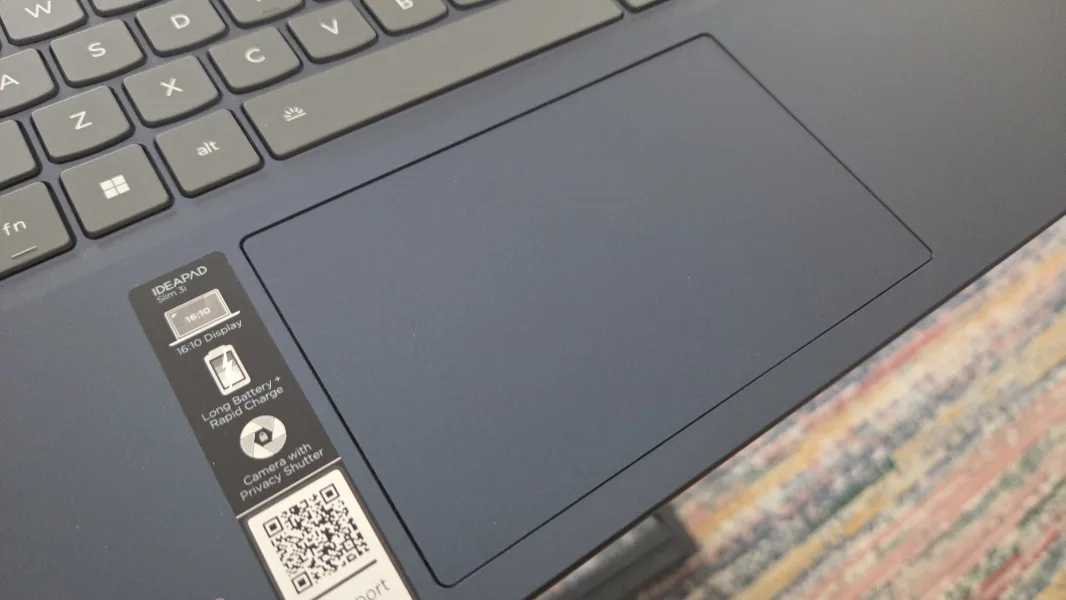
Lenovo has quietly introduced a highly aggressive $249 configuration of the Lenovo IdeaPad Slim 3 Chromebook at Best Buy, pairing the new MediaTek Kompanio 540 processor with a premium display. Aimed directly at students and professionals seeking a reliable secondary device, this budget-friendly model proves that dropping the price no longer requires sacrificing visual quality. By retaining the standout 14-inch WUXGA touchscreen from its more expensive sibling, this release fundamentally shifts expectations for sub-$300 ChromeOS hardware.
To achieve this massive discount from its standard $419 retail price, Lenovo made calculated internal compromises. While the higher-end $379 sale configuration boasts 8GB of RAM and 128GB of fast UFS storage, this new variant scales down to 4GB of LPDDR5x RAM and a standard 64GB eMMC storage drive. While stepping down to 4GB of memory means it will not serve as a massive multitasking powerhouse, the lightweight nature of ChromeOS combined with the modern Kompanio 540 chip ensures the system remains fluid for standard web browsing and lightweight daily tasks.
The most significant aspect of this configuration is what Lenovo explicitly chose not to change. Historically, budget-tier laptops downgrade the display panel to a washed-out, low-resolution screen to cut manufacturing costs. Instead, the $249 model retains the exact same outward experience as the $399 version.
- The gorgeous display: Users get the standout 14-inch WUXGA (1920x1200) IPS touchscreen. The crisp 2K resolution and 16:10 aspect ratio make reading articles and managing web apps a fantastic experience.
- Highly portable chassis: The device keeps the exact same Cosmic Blue frame, weighing in at an incredibly travel-friendly 2.99 pounds.
- Modern connectivity and endurance: It still boasts an estimated 18 hours of battery life and retains updated Wi-Fi 6E connectivity for fast, reliable networking.
The Budget Display Standard Has Shifted
The decision to keep the WUXGA IPS panel on a $249 machine is a direct challenge to the broader budget laptop market. For years, consumers buying in the sub-$300 tier have been forced to accept dim, low-contrast TN panels that cause eye strain during extended use. By pairing a high-quality 16:10 screen with the highly efficient MediaTek Kompanio 540, Lenovo is prioritizing the actual user experience over raw, unnecessary specs for this price bracket.
While 4GB of RAM might seem restrictive on traditional desktop operating systems, ChromeOS handles memory management aggressively enough that the average student or casual browser will rarely hit a bottleneck. This configuration proves that manufacturers can deliver a premium physical experience on a strict budget, provided they understand exactly where to make the internal cuts. For anyone needing a highly portable secondary device, this specific Best Buy configuration is currently one of the strongest values in the ChromeOS ecosystem.