Apple continues to dominate the premium smartphone market, capturing a massive 65% share globally in the first half of 2026. As the broader mobile industry shifts its focus from sheer shipment volume to maximizing profit, high-end devices now account for a record-breaking 29% of all global smartphone sales. This data, sourced from Counterpoint Research's Handset Model Sales Tracker, highlights a fundamental shift in consumer behavior toward devices priced at $600 or above.
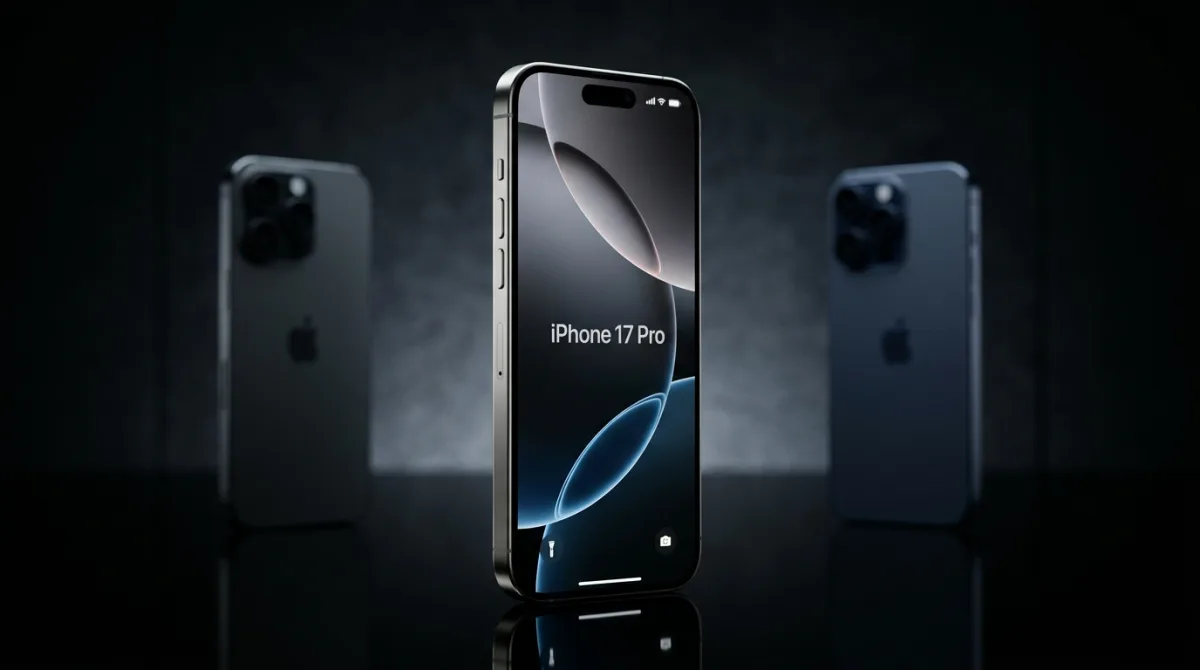
Apple saw its premium segment revenue grow by 9% year-over-year during this period. This financial boost was largely driven by strong sales of the iPhone 17 lineup, with the base model proving particularly popular among upgraders. However, despite this revenue growth, Apple's overall slice of the premium pie has actually slipped from the commanding 74% share it held in the first half of 2022.
This decline in total market share is directly tied to intensifying competition in China, which remains the world's largest premium smartphone market. Domestic heavyweights like Huawei, Xiaomi, OPPO, and vivo have aggressively sharpened their flagship offerings. By delivering high-end specifications tailored to local preferences, these brands are successfully pulling Chinese consumers away from Apple and toward domestic premium alternatives.
Across the broader premium smartphone market, unit sales grew by 5% year-over-year in the first half of 2026. The segment's overall market share has climbed steadily, rising from 20% in H1 2022 to 25% in H1 2025, and now reaching 29%. Counterpoint notes that recent gains are heavily influenced by rising memory and component costs, which have severely impacted the profit margins of low- and mid-tier phones.
Premium brands like Apple were uniquely positioned to absorb these higher manufacturing costs due to their wider profit margins and reduced reliance on promotional discounting. This financial buffer helped sustain consumer demand even as the broader smartphone market faced challenging economic headwinds. Furthermore, the narrowing price gap between mid-tier and premium phones is accelerating the shift toward high-end devices.
As mid-segment Android smartphone prices rise, the price gap with premium devices, especially older or discounted flagship models, is narrowing. This trend makes flagship smartphones a better upgrade option for consumers. To support this shift, OEMs are expanding financing, trade-in and buyback programs to improve affordability. Samsung has also expanded its Galaxy Forever program to several markets to make flagship devices more accessible.
- Counterpoint Research
Samsung and Chinese Rivals Close the Gap
Samsung remains the only true global competitor in Apple's league, holding a solid 19% of the premium segment. The South Korean tech giant achieved a 3% year-over-year growth, a notable feat considering the later-than-usual launch window for its Galaxy S26 series. Samsung's strategic expansion of financing programs has helped maintain its strong foothold in Western markets.
Behind the two industry leaders, Chinese brands demonstrated the sharpest growth, albeit starting from a much smaller base. OPPO experienced a staggering 69% growth, fueled entirely by the success of its Find X9 series. Meanwhile, vivo saw a 20% increase as its X300 series significantly outperformed its predecessor in key Asian markets.
Other Notable Apple Developments
- iPhone 18 Pro Max Component Costs: The bill of materials for the upcoming iPhone 18 Pro Max is expected to rise by nearly $300 compared to the iPhone 17 Pro Max. For the 1TB storage model, NAND flash costs alone exceed $250, accounting for roughly half of the previous generation's total component cost, alongside rising DRAM pricing.
- Apple Watch AI Dominance: Apple accounted for 90% of all Edge AI-capable smartwatch shipments in the first quarter of 2026. Edge AI penetration across the broader smartwatch market grew 70% year-over-year, reaching a 25% total market share.
- iPhone 18 Pro Launch: Slated for next month, the iPhone 18 Pro and iPhone 18 Pro Max are expected to feature a smaller Dynamic Island and introduce 5G connectivity via satellite, building upon the foundation of the iPhone 17 Pro series.
The End of the Mid-Range Compromise
The data from H1 2026 signals the quiet death of the "flagship killer" era. As component costs - particularly memory and storage - continue to rise, Android manufacturers can no longer afford to pack premium specs into $400 devices. By pushing mid-tier phone prices closer to the $600 threshold, brands have inadvertently made older or base-model iPhones look like a much better investment for the average consumer.
This dynamic heavily favors Apple's integrated ecosystem and Samsung's aggressive financing strategies, effectively locking down the Western market into a strict duopoly. Consumers are realizing that financing a true flagship device over 24 months offers better long-term value, software support, and resale value than buying a compromised mid-range phone outright.
However, Apple's slipping market share in China reveals a critical vulnerability. While the company can rely on brand loyalty and ecosystem lock-in in the US and Europe, Chinese consumers are proving that they will pivot to domestic brands like Huawei and OPPO when the hardware innovation matches the premium price tag. For Apple, maintaining that 65% global dominance will require more than just iterative updates; it will demand aggressive localized strategies in Asia.