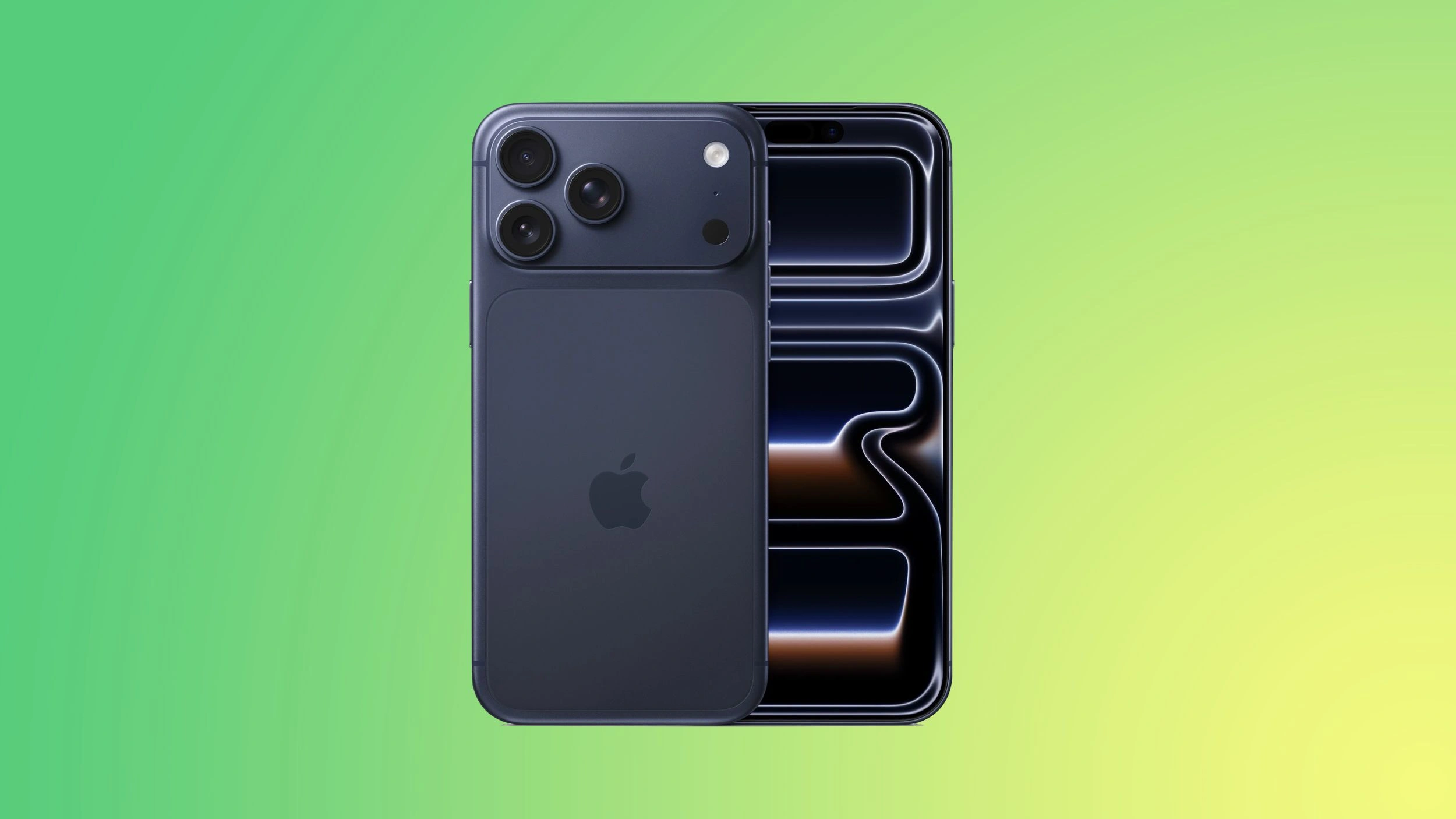
In a surprising turn of events for the premium smartphone market, the iPhone 17 Pro Max has emerged as the single most traded-in device in the first quarter of 2026. According to a new report from secondary market aggregator SellCell, Apple's reigning flagshipreleased less than six months agois seeing higher turnover volumes than typically expected for a current-generation device. This phenomenon challenges the traditional upgrade cycle, where two-to-three-year-old models usually dominate trade-in statistics as users reach the end of their carrier contracts.
The SellCell Data: Unpacking the Anomaly
The data from SellCell highlights a unique behavior among early adopters and power users. Typically, the most traded-in phones in early 2026 would be the iPhone 15 Pro or iPhone 16 series. However, the surge in iPhone 17 Pro Max trade-ins suggests that a significant portion of the user base is leveraging the device's high residual value. Unlike Android counterparts which may suffer steeper depreciation curves, the iPhone 17 Pro Max has retained a substantial percentage of its MSRP. This value retention allows users to 'flip' the device with minimal financial loss, potentially to fund a switch to rival flagships or to liquidate the asset during economic uncertainty.
The 'Galaxy S26 Ultra' Effect
This trade-in spike coincides perfectly with the retail availability of Samsung's Galaxy S26 Ultra. The timing indicates a potential migration of 'OS-agnostic' tech enthusiasts who oscillate between the top Apple and Samsung hardware. With the Galaxy S26 Ultra receiving critical acclaim for its advanced AI integration and camera hardware, it appears that a segment of iPhone 17 Pro Max owners are trading in their devices while the value is at its peak to cross the aisle. This aggressive churning reflects a market where brand loyalty is increasingly tested by hardware innovation cycles that occur every six months rather than annually.
Depreciation Dynamics and Market Liquidity
Another critical factor is the liquidity of Apple hardware. The report suggests that while the volume of trade-ins is high, it does not necessarily indicate widespread dissatisfaction with the iPhone 17 Pro Max. Instead, it underscores the device's status as a 'currency' in the tech world. Owners know that holding onto the device for another six months until the iPhone 18 launch will result in a natural drop in value. By trading in now, specifically during the launch window of competitors offering aggressive trade-in bonuses, users are maximizing their return on investment (ROI) in a way that isn't possible with older models.
Strategic Trade-In Comparison: Early 2026
| Factor | iPhone 17 Pro Max | Galaxy S26 Ultra | Older Models (iPhone 15/16) |
|---|---|---|---|
| Depreciation Rate | Lowest (Retains ~75-80% value) | Moderate (High initial drop) | High (Stabilized but lower value) |
| Trade-In Volume | Unexpectedly High (#1 Rank) | Low (Just Released) | Standard / High |
| Primary Driver | Liquidity / Platform Switching | Acquisition | Contract Expiry / Upgrade |
| Market Position | Liquid Asset | New Challenger | Legacy Hardware |
My Take: The Era of the 'Rental' Flagship
The fact that the iPhone 17 Pro Max is the most traded-in phone tells us less about the phone's quality and more about the modern consumer's relationship with tech. We are entering an era of 'hardware rental,' where users effectively lease the latest specs for six months before swapping. While this ensures access to cutting-edge tech like the Galaxy S26 Ultra's new sensor suite, it also highlights the incredible financial resilience of the iPhone Pro Max line. If you own one, you aren't just holding a phone; you're holding a highly liquid asset that can be cashed out the moment a competitor catches your eye.
Frequently Asked Questions
- Why is the iPhone 17 Pro Max being traded in so much?
- It is likely due to users maximizing its high resale value to switch to newly released competitors like the Samsung Galaxy S26 Ultra, rather than dissatisfaction with the device itself.
- Does this mean the iPhone 17 Pro Max has defects?
- No, the SellCell report focuses on volume, not reasons for return. High trade-in volume for a current flagship usually indicates a healthy secondary market and active enthusiast switching.
- Is now the best time to sell an iPhone 17 Pro Max?
- Yes. Selling a current-generation iPhone before the mid-cycle rumors of the next model heat up (usually around April/May) ensures you get the highest possible cash or trade-in value.
This article was written by AI from reporting by macrumors.com.