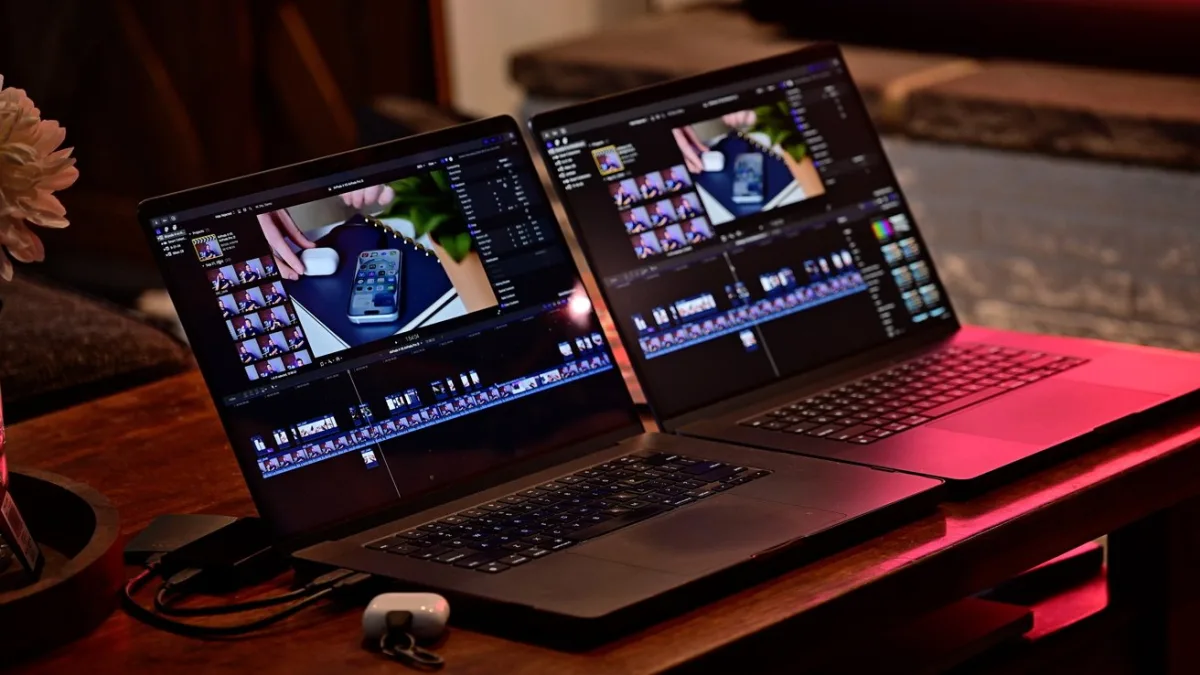
Apple's decade-long, $10 billion investment in the cancelled Apple Car project is directly fueling the architecture of its upcoming Apple M7 and M8 chips. Rather than prioritizing raw speed or power efficiency, the next generation of Apple silicon will heavily focus on artificial intelligence capabilities derived from the company's autonomous driving research. The 16-inch MacBook Pro is slated to be the first device equipped with the M7 Pro processors.
According to recent industry reports, the underlying chip designs for both future Macs and Apple Intelligence servers are built upon the foundational AI work originally intended for self-driving vehicles. When the automotive project was officially shuttered in 2024, Apple strategically redeployed its engineering staff to John Giannandrea's artificial intelligence division, ensuring the massive R&D investment was not lost.
We sort of see it as the mother of all AI projects. It's probably one of the most difficult AI projects actually to work on.
- Tim Cook, CEO, Apple
This long-term strategy challenges the narrative that Apple was caught off guard by the generative AI boom sparked by ChatGPT. By treating autonomous systems as a core machine learning challenge for nearly nine years, Apple avoided the massive, often unsustainable datacenter spending seen across the industry. In stark contrast, June 2026 financial data revealed that OpenAI was losing $1.25 for every $1 it earned, prompting investors to look favorably upon Apple's more measured, hardware-integrated approach.
The Hidden ROI of a $10 Billion Salvage Operation
The pivot from the Apple Car to the Apple M7 and M8 chips represents one of the most expensive, yet potentially lucrative, R&D salvages in tech history. By repurposing autonomous driving algorithms for local Apple Intelligence processing, Apple is solving a critical bottleneck: running complex AI models on-device without melting the battery or relying on expensive cloud infrastructure.
Furthermore, this explains why Apple is comfortable letting competitors bleed cash on server costs. While OpenAI subsidizes massive datacenter operations to maintain market share, Apple is embedding the "mother of all AI projects" directly into the silicon of its highest-margin hardware. If the M7 Pro can deliver server-grade AI inference locally on a 16-inch MacBook Pro, Apple won't just catch up in the AI race - it will redefine the economics of how AI is delivered to consumers.
This article was written by AI from reporting by appleinsider.com.