Google is developing Project Toscana, an advanced facial recognition system designed to match Apple's Face ID in speed and reliability while eliminating the need for visible hardware cutouts. Unlike current Pixel facial recognition systems that rely on standard selfie cameras, Project Toscana represents a fundamental shift in how Android phones authenticate users through biometric data.
The technology is reportedly already in beta testing, suggesting development has reached an advanced stage. According to testing conducted under various lighting conditions, Project Toscana performs just as quickly as Face ID on the iPhone, a significant achievement given that most Android facial recognition systems struggle in low-light environments or depend heavily on ambient illumination. This advancement addresses a critical weakness in existing Pixel unlock methods, which often slow down or fail entirely when lighting conditions are poor.
How Project Toscana Works
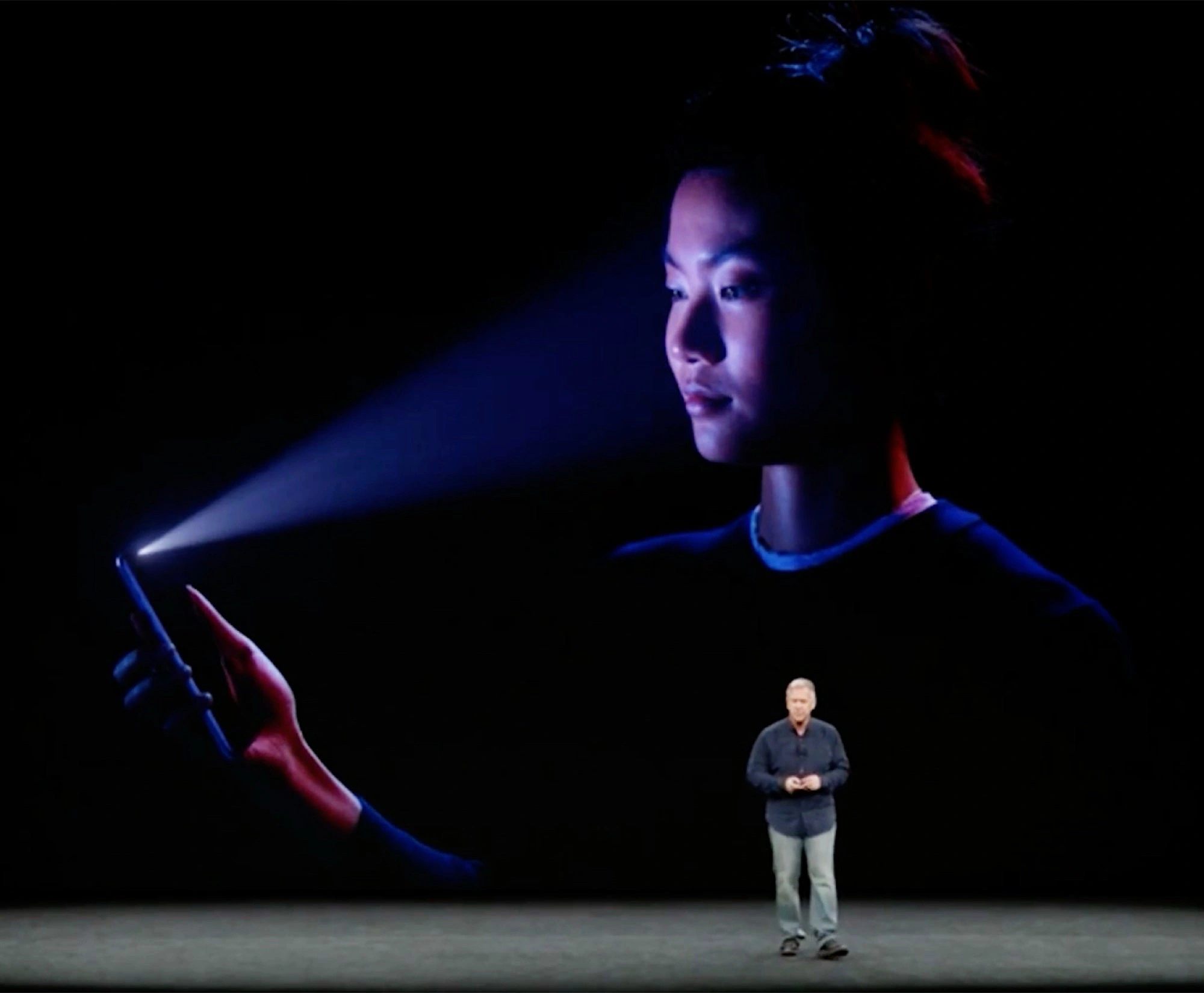
The exact technical implementation remains unconfirmed, but evidence suggests Google is utilizing an infrared projector invisibly integrated into the OLED display itself. This approach mirrors Apple's TrueDepth camera system, which uses infrared light to create a detailed 3D map of the user's face. By embedding the IR technology directly into the display rather than requiring a visible notch or cutout, Google achieves what Apple has not yet accomplished: true under-display facial recognition without compromising screen real estate.
An alternative possibility is that Google has revived and refined the Pixel 4's radar-based system, this time integrating it into the display layer. The Pixel 4 pioneered motion-sensing facial recognition through its Soli radar chip, but the technology was discontinued in subsequent models. Reimplementing this approach with modern refinements could provide another pathway to achieving Face ID-level performance without visible hardware.
The underlying processing power comes from Google's custom Tensor G6 chip, which features an advanced image signal processor specifically designed to handle the computational demands of sophisticated facial biometric authentication. Google has been steadily improving its face authentication capabilities since reintroducing facial recognition in the Pixel 8 series, which achieved the highest Class 3 security rating for biometric authentication. Project Toscana builds directly on this foundation, leveraging years of AI-enhanced image processing refinements.
Security and Reliability Advantages
Current Pixel facial recognition relies on 2D camera-based scanning, which inherently lacks the depth information necessary for robust security. This limitation makes existing systems vulnerable to spoofing attempts using photographs or video, and their performance degrades significantly in challenging lighting conditions. Project Toscana's infrared approach captures true 3D facial geometry, matching the security model that has made Face ID the industry standard for nearly a decade.
The ability to function reliably in any lighting condition represents a practical advantage over current Pixel phones and even addresses a subtle weakness in Face ID itself. While Apple's infrared system works exceptionally well in most scenarios, Project Toscana's integration directly into the display could potentially offer even faster unlock speeds by eliminating any physical distance between the scanning hardware and the user's face. Testing data indicates the system matches Face ID's speed, but the final implementation could potentially exceed it.
Display Integration and Design Impact
By hiding the facial recognition hardware beneath the display, Google eliminates the visual compromise that has defined smartphone design for years. Apple's notch, while functional, has remained a design constraint that manufacturers have worked around since the iPhone X introduced it in 2017. Project Toscana's under-display approach allows for a cleaner, more immersive display without sacrificing security or speed.
The technology reportedly works with a simple punch-hole camera in the display, meaning users will see minimal visual disruption. This represents a significant aesthetic improvement over the Pixel 4's prominent forehead bezel that housed its facial recognition hardware. Google's approach essentially delivers the Pixel 4's advanced face unlock capabilities without the design compromises that led to its discontinuation.
Timeline and Market Positioning
Project Toscana is expected to debut on the Google Pixel 11 and Pixel 11 Pro later in 2026, potentially arriving before Apple implements its own under-display Face ID system. Industry reports suggest Apple is not planning to introduce under-display facial recognition before 2026 at the earliest, giving Google a potential first-mover advantage in bringing this technology to market at scale. A version for Chromebooks is also in development, though that implementation may not launch until 2026 or later.
This timing is strategically significant. While Apple pioneered sophisticated 3D facial recognition in smartphones with its TrueDepth camera system, the technology has required a prominent display notch since its introduction. Google's ability to deliver comparable security and speed without visible hardware represents a genuine technological leap, not merely an incremental improvement. The race to implement under-display biometric systems has intensified as manufacturers seek to maximize screen real estate while maintaining robust security features, and Project Toscana positions Google as the leader in this transition.
Broader Implications for Android Security
Project Toscana's development reflects Google's commitment to elevating biometric security standards across the Android ecosystem. The Pixel 8 series achieved Class 3 security certification, the highest rating for biometric authentication, demonstrating that Android phones can match or exceed iPhone security standards. Project Toscana extends this achievement by combining that security level with the convenience of invisible hardware integration.
The technology also showcases the advantages of Google's vertical integration strategy. By designing custom Tensor chips with specialized image signal processors, Google can implement sophisticated facial recognition features that third-party chipmakers cannot easily replicate. This gives Pixel phones a distinct competitive advantage in biometric authentication, similar to how Apple's custom silicon enables exclusive Face ID capabilities.
My Take: Project Toscana represents a watershed moment for Android biometrics. Google isn't just matching Face IDit's potentially surpassing it by eliminating the design compromises that have defined iPhone displays for nearly a decade. If the technology delivers on its testing promises, the Pixel 11 could establish a new standard for smartphone facial recognition that forces Apple to accelerate its own under-display implementation. This is the kind of genuine innovation that justifies flagship pricing and could meaningfully shift consumer perception of Android security capabilities.
This article was written by AI from reporting by notebookcheck.net.