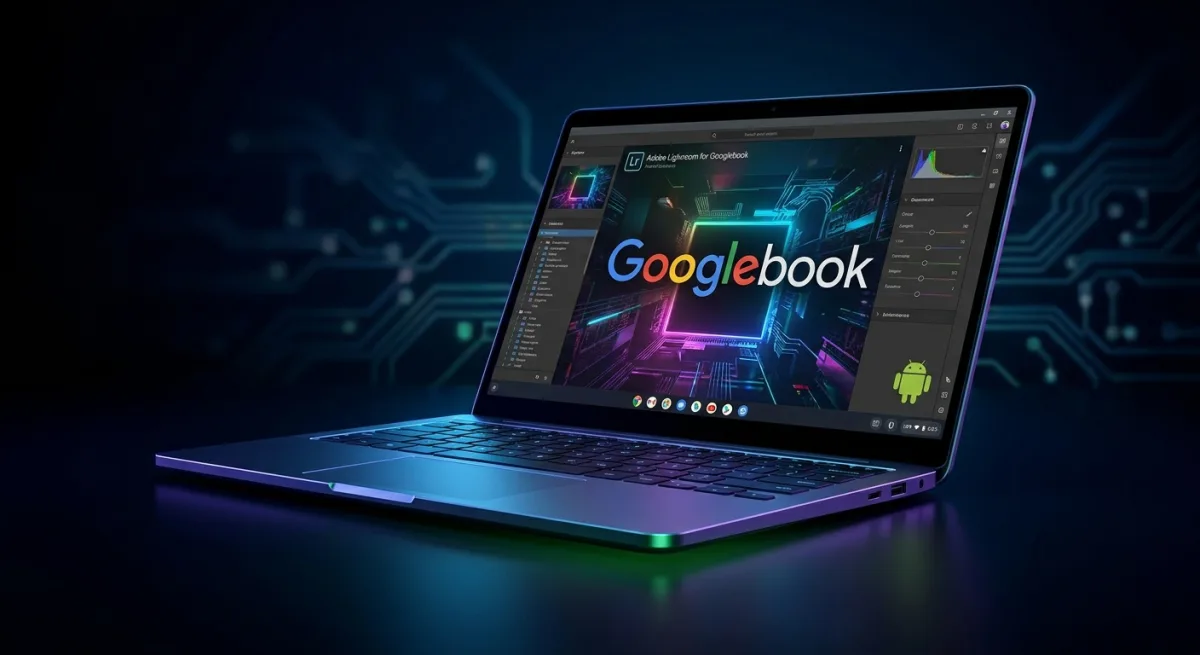
Running Googlebook native Android apps will finally end the era of sluggish performance, high battery drain, and clunky emulation layers that plagued traditional Chromebooks. For years, accessing mobile utilities on a web-first operating system felt like a compromise, as the hardware fought to translate code in the background. By ditching the legacy ChromeOS emulation container, Google's upcoming laptops are set to unlock unprecedented speed and hardware efficiency.
During a recent virtual interview with Chrome Unboxed, Google VP John Maletis confirmed that the foundational architecture of the Googlebook represents a complete rewrite of how the operating system handles mobile software. Instead of sandwiching an Android layer on top of a separate platform, the Googlebook category is built directly on the Android tech stack. This means applications no longer run inside a virtualized security box or fight an emulation translator to function.
We now have an ability to run truly native Android applications, not emulated. So performance of these apps is incredible.
- John Maletis, VP, Google
The "Build Once, Deploy Anywhere" Reality
By removing the emulation layer, Android apps will tap directly into the raw power of the hardware, whether the device is powered by next-generation silicon from Intel, Qualcomm, or MediaTek. This architectural shift eliminates the stuttering and heavy resource load that historically frustrated users. Tasks will now run with the fluid, instantaneous response expected from a native mobile device.
Furthermore, this unified native DNA completely changes the software development landscape. Historically, convincing developers to optimize their apps for large screens and trackpads within an emulated container was a massive hurdle for the ChromeOS team. Now, the friction of cross-platform optimization is practically gone.
"They see this vision where we’re getting much, much closer to the point where an app developer can build once and deploy across form factors," Maletis explained, noting that the momentum from developers is unlike anything he has seen during his tenure. Major industry players, including traditional creative suites and AI-first development teams, are actively building deep integrations that will launch exclusively on Googlebooks.
The Death of the Emulation Tax
The transition from ChromeOS emulation to a native Android foundation on the Googlebook is more than just a performance bump; it is a fundamental repositioning of Google's laptop strategy. By eliminating the "emulation tax" that drained battery life and throttled CPU performance, Google is finally offering a no-compromise desktop environment for mobile apps.
This architectural pivot directly challenges Apple's seamless integration between iOS and macOS silicon. If developers truly embrace the unified deployment model that Maletis envisions, the Googlebook could quickly transform from a simple web-first machine into a formidable powerhouse for creative and productivity workflows. By unlocking true native app performance alongside the Chrome browser, Google is leaving traditional Chromebook limitations in the past.