Switching back to a standard Chromebook after months on a premium device reveals a jarring reality: the software experience is no longer created equal. While budget-friendly laptops continue to offer solid hardware for the price, Google has quietly locked its best Chromebook Plus features behind a strict hardware tier. The feature gap is not just marketing fluff; it fundamentally changes the day-to-day workflow for users who rely on modern web tools.
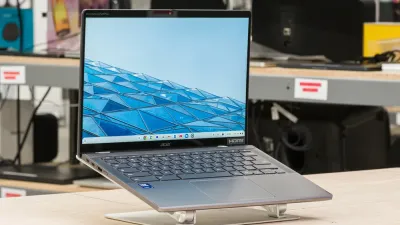
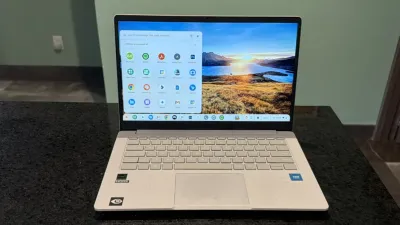
Testing the newly refreshed Lenovo IdeaPad Slim 3 Chromebook highlights this divide perfectly. The device packs a MediaTek Kompanio 540 processor, 8GB of RAM, and 128GB of UFS storage, making it an impressive piece of hardware for its price point. However, using it as a daily driver for just 48 hours exposes the subtle but significant missing pieces of polish that standard ChromeOS users are forced to live without.
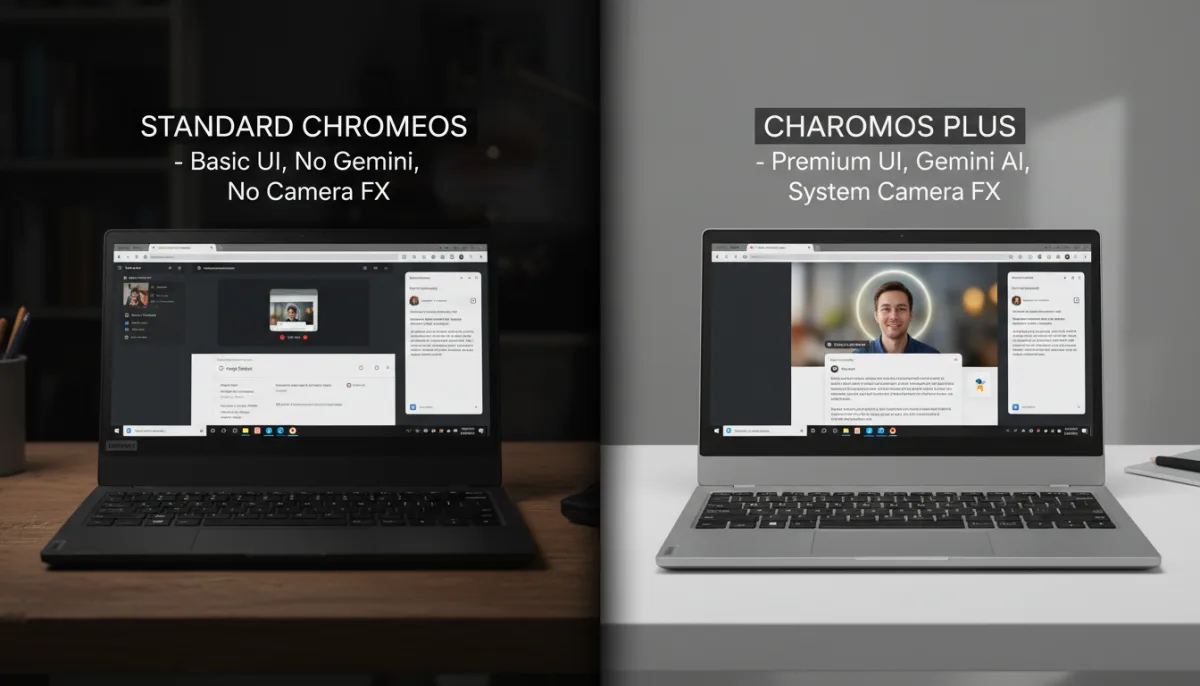
The first noticeable downgrade is purely aesthetic but surprisingly impactful. On standard devices, the floating system windows feature sharp borders, lacking the beautifully rounded corners that give the Plus OS a premium, modern feel. More importantly, standard users lose access to system-wide camera controls. The baked-in OS-level adjustments for lighting, background blur, and touch-ups - which seamlessly apply across Meet, Teams, and Zoom - are entirely absent.
Key Features Locked Behind the Plus Tier
- Rounded System Windows: Premium aesthetic touches and modern UI elements are disabled on standard models.
- System-Wide Camera Controls: Native lighting, background blur, and touch-up adjustments are missing across all video conferencing apps.
- Gemini in Chrome Sidebar: The persistent AI assistant for instant tab summarization and drafting is exclusive to Plus devices.
The most significant hurdle over the past 6 months has been the absence of the Gemini in Chrome feature. On Plus devices, this persistent side panel sits silently until needed, ready to pull context from open tabs to summarize long research documents or draft emails without breaking focus. Without it, users are forced to open a separate tab, navigate to the Gemini web app, and manually copy-paste blocks of text.
Google’s Two-Tiered OS Strategy is Working
By locking Gemini integrations and system-level camera controls behind the Plus moniker, Google is successfully upselling users who care about productivity. The Lenovo IdeaPad Slim 3 proves that having 8GB of RAM is no longer the only metric for a premium ChromeOS experience; software gatekeeping is now the primary differentiator. This creates a clear dividing line in the laptop market.
For casual users, the standard ChromeOS experience remains perfectly adequate, shielding them from missing features they have never tried. However, for anyone relying on AI workflows or frequent video calls, the Plus upgrade is now mandatory rather than optional. Google has effectively transformed its operating system into a freemium-style model, where the hardware you buy dictates the software capabilities you are allowed to access.
This article was written by AI from reporting by chromeunboxed.com.