Modern Mac security threats have shifted away from complex technical exploits toward psychological manipulation and deception. In the first week of May 2026, security researchers identified a surge in campaigns using fake search ads, ClickFix social engineering, and malicious AI apps to bypass Apple's built-in protections. These attacks are specifically designed to trick users into manually overriding security protocols by pasting commands into the Terminal or approving suspicious permissions.
One of the most prominent threats involves fake sponsored search results impersonating Homebrew, a widely used macOS package manager. Instead of delivering the legitimate developer tool, these malicious advertisements direct users to lookalike websites that distribute the MacSync Stealer malware. Once installed, this infostealer targets browser passwords, session cookies, cryptocurrency wallets, and sensitive developer credentials.
The Rise of ClickFix and Fake Installers
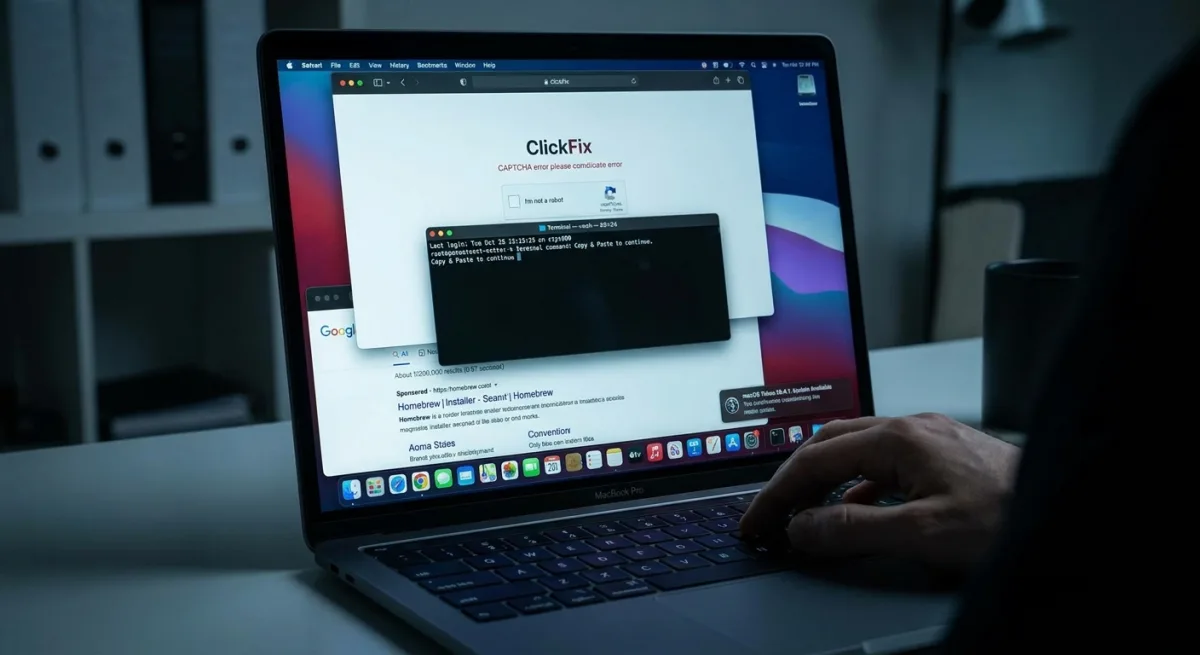
Security researchers from Microsoft, Sophos, and Malwarebytes have reported a significant increase in ClickFix activity aimed at macOS users. These attacks rely on fake CAPTCHA pages or simulated browser errors that instruct users to copy and paste specific scripts into their Terminal to 'fix' the issue. Legitimate websites and standard CAPTCHA verifications will never require Terminal access or mystery scripts to continue browsing.
Simultaneously, attackers are capitalizing on the demand for artificial intelligence tools. Fake AI applications, malicious DMG installers, and spoofed PDF converters remain highly effective delivery methods for malware. These fraudulent apps often request excessive system permissions, allowing them to harvest sensitive documents and monitor user activity in the background.
macOS Tahoe 26.4.1 and Background Protections
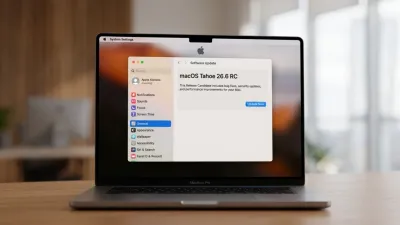
Apple is actively countering these threats with the release of macOS Tahoe 26.4.1. While this specific update does not list a massive catalog of CVEs, it builds upon the critical WebKit, Mail, and Keychain fixes introduced in version 26.4. These patches address vulnerabilities involving cross-site scripting and sandbox protections, preventing malicious websites from accessing isolated system data.
Furthermore, Apple's Background Security Improvements system allows the company to deploy lightweight, rapid fixes for Safari and WebKit between major OS updates. This mechanism is crucial for closing browser-related vulnerabilities before attackers can widely exploit them, significantly reducing the exposure window for everyday users.
How to Secure Your Mac This Week
Because modern malware relies heavily on user interaction, maintaining a secure system requires a combination of software updates and cautious browsing habits. Follow these steps to protect your device:
- Enable Background Updates: Navigate to System Settings > Privacy & Security and ensure that automatic Background Security Improvements are turned on.
- Audit App Permissions: Regularly review which applications have access to Full Disk Access, Accessibility, Screen Recording, and Keychain data. Revoke permissions for any unused or unrecognized apps.
- Avoid Sponsored Downloads: Never download software, especially developer tools or AI utilities, from sponsored search engine ads. Always use the Mac App Store or the developer's official domain.
- Ignore Terminal Prompts: Never paste Terminal commands provided by a website, fake CAPTCHA, or unexpected error pop-up.
The Shift Toward User-Assisted Compromise
The rapid proliferation of MacSync Stealer and ClickFix campaigns highlights a fundamental shift in the macOS threat landscape. Attackers have realized that breaking through Apple's hardened sandbox protections is incredibly resource-intensive. Instead, it is far cheaper and more effective to simply ask the user to open the door for them. By leveraging SEO poisoning and the inherent trust users place in top search results, cybercriminals are successfully turning Mac owners into unwitting accomplices in their own system's compromise.
This trend underscores the limitations of purely technical defenses. While macOS Tahoe 26.4.1 and rapid WebKit patches provide a robust safety net, they cannot prevent a user from manually granting Full Disk Access to a disguised infostealer. Moving forward, the definition of Mac security must expand beyond software updates to include aggressive skepticism toward search ads and a strict zero-trust approach to unexpected Terminal commands.