Buying a new smartphone in 2026 is a minefield of hidden compromises, expiring software support, and experimental hardware. While modern flagship devices boast desktop-level power, several highly publicized models suffer from severe battery drain, fragile folding screens, or imminent end-of-life update cutoffs. Before you spend hundreds of dollars on a device that might become obsolete or physically fail within months, you need to know which models are failing real-world tests.
The smartphone landscape has shifted dramatically, with manufacturers pushing the limits of ultra-thin designs and foldable form factors. However, these engineering flexes often come at the direct expense of the consumer experience. From devices that literally catch fire under pressure to brands quietly exiting Western markets, here are the smartphones you should steer clear of this year.
The Ultra-Thin Battery Drainers
In a race to achieve paper-thin aesthetics, both Samsung and Apple have released devices that demand too many compromises. The Samsung Galaxy S25 Edge measures a mere 5.8 mm thick, but reviewers unanimously agree that its battery life is abysmal. To achieve this form factor, Samsung also removed the telephoto lens, severely limiting zoom capabilities. Until manufacturers adopt silicon-carbon batteries to increase capacity in slim chassis, the S25 Edge remains a flawed concept.
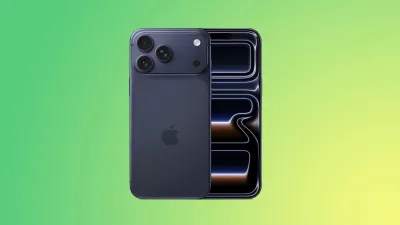
Apple's attempt, the iPhone Air, suffers from identical pitfalls. While it boasts a 5.6 mm thickness, a titanium frame, and a 6.5-inch screen that survived 225 pounds of pressure in JerryRigEverything's durability test, the trade-offs are severe. The device features a kneecapped camera, notable heat dissipation issues, and a mono speaker that ruins landscape media consumption. Both of these ultra-thin phones prove that current battery technology cannot support such extreme designs.
Foldable Fire Hazards and Fragility
Foldable smartphones remain a bleeding-edge technology that still requires a few more years in the oven. The Pixel 10 Pro Fold is the most alarming example. During a standard backward-bend durability test by JerryRigEverything, the phone broke shockingly easily and actually caught on fire - the first time a battery has flared up during his testing. Given how often people sit on their phones, this device is a massive safety risk.
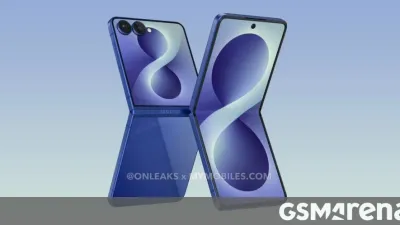
Older Samsung foldables are equally problematic. The Galaxy Z Fold 3, Z Flip 3, Z Fold 4, and Z Flip 4 are all hitting their four-year update cutoffs. Furthermore, these older generations are plagued by fragile inner screens, creases that crack over time, and hinges susceptible to dust. Even newer models like the Z Fold 6 and Z Fold 7 are generating alarming user reports regarding faulty screen protectors and denied warranty claims.
The End-of-Life Software Cliff
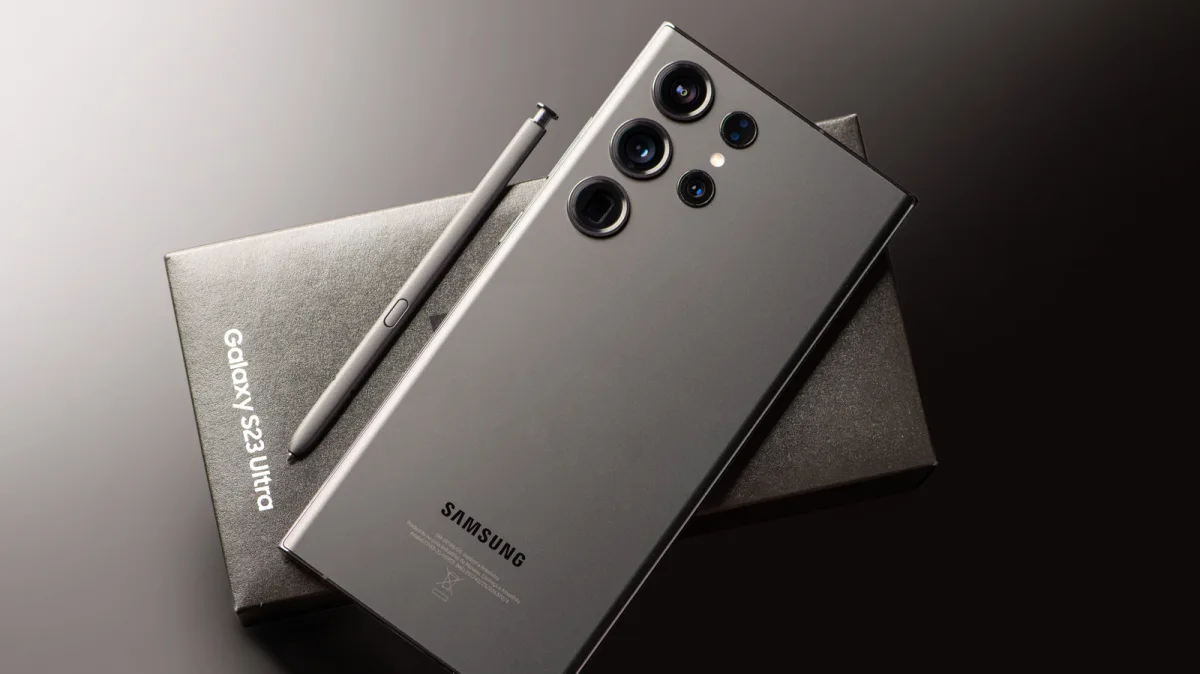
Buying an older flagship used to be a smart financial move, but several popular models are about to hit a software brick wall. The Samsung Galaxy S23 Ultra is an exceptional piece of hardware, but its update lifespan ends in 2028 with Android 17. You are much better off investing in the Galaxy S24 Ultra, which benefits from a seven-year pledge lasting until 2031.
Apple's older lineup is facing a similar purge. The iPhone X series (XS, XR, XS Max) will not receive the upcoming iOS 27 update. The iPhone 11 series is likely facing its final upgrade with iOS 27, meaning it will miss out on iOS 28 and become a vintage device with dwindling app support. Similarly, Google's Pixel 6 has received its final update to Android 17 in 2026, and relying on custom ROMs like LineageOS will strip away the exclusive AI features that make Pixel phones great.
The "Wait for the Next One" Dilemma
Sometimes a phone is bad simply because its immediate successor is vastly superior. The iPhone 16 is a prime example. The newer iPhone 17 offers a 120 Hz ProMotion Always-On display, a larger screen, the N1 wireless chip, and a base storage bump to 256GB. Furthermore, rumors suggest the 2027 iPhone 18 will feature 12GB of RAM, which will be mandatory for advanced Apple Intelligence features. Buying an iPhone 16 now is a short-sighted investment.
Google's Pixel 10 falls into the same trap. Beyond being on the cusp of replacement by the Pixel 11, the Pixel 10 is plagued by bugs. An April 2026 update caused unprecedented battery drain and connectivity issues. It also suffers from a persistent "rainbow snow" screen glitch and earned a dismal 6/10 repairability score from iFixit, making it harder to fix than an iPhone.
Brand Exits, Scams, and Repair Nightmares
If you are exploring alternative brands or budget options, several devices present unique risks that make them impossible to recommend. Here are the other notable models to avoid:
- Any OnePlus Phone: OnePlus is ceasing operations in Western markets (U.S. and Europe). While they promise continued support, their transition to ColorOS and lack of market presence makes them a severe security risk, similar to LG's exit.
- Trump T1: Marketed by Trump Mobile for $499, this device is a disaster. Reviewer Snazzy Labs exposed it as a rebranded, recalled HTC U24. It shipped a year late, featured a broken fingerprint reader, crashing apps, and a SIM card delivered in a handwritten letter.
- Nothing Phone (3): Earning a terrible 3/10 iFixit score, this phone is a repair nightmare. Accessing components requires navigating hidden screws under stickers and multiple plates, making simple display replacements unnecessarily onerous.
- Moto G (2025): Despite its $200 budget price tag, reviewers slammed its poor performance. Worse, its software support window abruptly ends in December 2027.
Actionable Steps: How to Future-Proof Your Next Purchase
To avoid buyer's remorse and ensure your next smartphone lasts for years, you need to look beyond the marketing hype and focus on longevity metrics. Follow these steps before making a purchase:
- Verify the Update Pledge: Only buy phones from manufacturers that explicitly guarantee five to seven years of OS and security updates (like the Pixel 8/9 series or Galaxy S24 series).
- Check Repairability Scores: Always search for the device's iFixit score. A phone with a glued-in battery or software-locked parts will cost you significantly more to maintain.
- Prioritize Battery Chemistry Over Thinness: Avoid first-generation "ultra-thin" devices until silicon-carbon batteries become the industry standard. Standard flagship thicknesses currently offer the best balance of thermal management and battery life.
The Hidden Cost of Form Over Function
The smartphone industry in 2026 is suffering from a severe case of misplaced priorities. The push for ultra-thin devices like the 5.6 mm iPhone Air and the 5.8 mm Galaxy S25 Edge highlights a fundamental disconnect between engineering vanity and consumer needs. By stripping away battery capacity, thermal mass, and essential camera hardware just to shave off a millimeter of thickness, manufacturers are actively degrading the user experience. Until next-generation battery tech matures, these ultra-thin models are little more than expensive prototypes.
Furthermore, the catastrophic failure of the Pixel 10 Pro Fold in durability testing proves that foldables are still inherently beta products. When a $1,500+ device can catch fire simply from being bent backward - a highly plausible scenario if sat upon - it ceases to be a luxury item and becomes a liability. Consumers should stop subsidizing these experimental form factors and demand that companies like Google and Apple refocus their efforts on squashing software bugs and improving baseline repairability.
This article was written by AI from reporting by slashgear.com.