

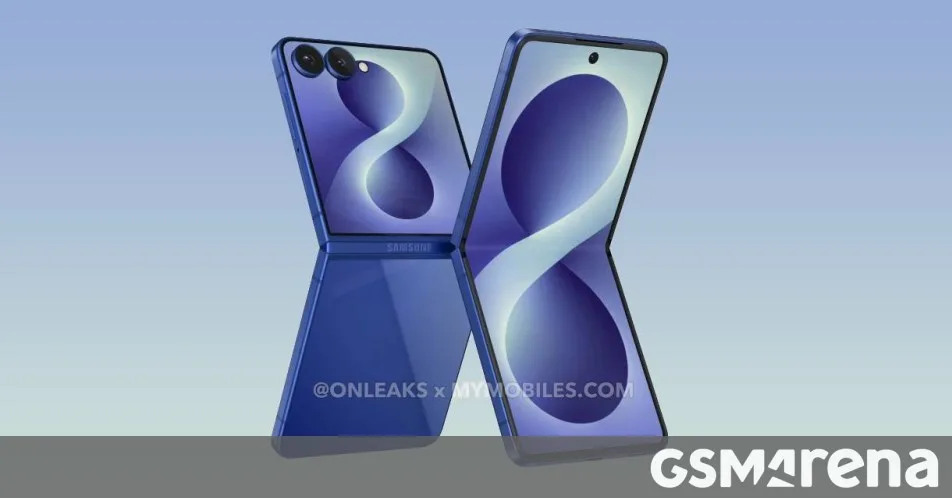
The upcoming Samsung Galaxy Z Flip8 has officially passed FCC certification, revealing a major upgrade in connectivity for the next-generation foldable. The regulatory filing for the US model, identified by model number SM-F776U, confirms the integration of satellite communication capabilities. For foldable enthusiasts and users frequently traveling off the grid, this development means the device will offer emergency connectivity beyond traditional cellular networks.
According to the certification documents, the wireless capabilities include support for NB-NTN B255. This stands for NarrowBand Non-Terrestrial Network, a protocol specifically used to communicate with satellites. This addition aligns Samsung's foldable lineup with recent industry standards, similar to how the Pixel 10 series supports B255 and B266 bands for satellite messaging.
Hardware Specs and Regional Chipset Split
Beyond satellite tech, the FCC filing outlines a robust connectivity suite. The Samsung Galaxy Z Flip8 will feature Wi-Fi 7 (including the 6GHz band), Bluetooth, NFC, and wireless charging, though the exact power rating for charging remains unlisted. The "Additional Capabilities" section of the document also explicitly lists DisplayPort support, hinting at enhanced external display output options.
The device supports an extensive array of 5G bands to ensure broad network compatibility: 1, 2, 3, 5, 7, 8, 12, 14, 20, 25, 26, 28, 29, 30, 38, 41, 48, 66, 70, 71, 77, and 78. However, the processing power driving these networks will vary by region. Phones sold in Europe and South Korea are slated to run on the Exynos 2600 chipset, while units sold in the US and other global markets will utilize a Snapdragon processor, though the exact Snapdragon tier is yet to be officially determined.
The Strategic Shift in Foldable Priorities
Current rumors indicate that Samsung is focusing heavily on structural refinement rather than raw specification bumps for the Galaxy Z Flip8. The company has reportedly developed a crease-free display, addressing one of the most persistent hardware complaints in the foldable market. However, this structural upgrade comes with a trade-off, as reports suggest there will be no upgrades to the cameras, battery capacity, or charging speeds.
This strategy highlights a maturation in the foldable sector. By prioritizing a seamless screen and emergency satellite connectivity over incremental camera improvements, Samsung is positioning the Galaxy Z Flip8 as a more durable, reliable daily driver. The inclusion of NB-NTN B255 proves that satellite SOS is no longer an exclusive feature for traditional slab flagships, but a mandatory safety standard across all premium form factors.
