A groundbreaking study published on February 27, 2026, introduces a highly accurate Transformer-XGBoost nuclear fault diagnosis model designed specifically for the CPR1000 pressurized water reactor. Researchers have successfully combined the temporal feature extraction capabilities of Transformer architecture with the classification power of XGBoost to address the persistent limitations of traditional data-driven methods in the nuclear energy sector. This hybrid approach has demonstrated an impressive diagnostic accuracy of 99.46%, offering a new standard for intelligent diagnostics in critical infrastructure.
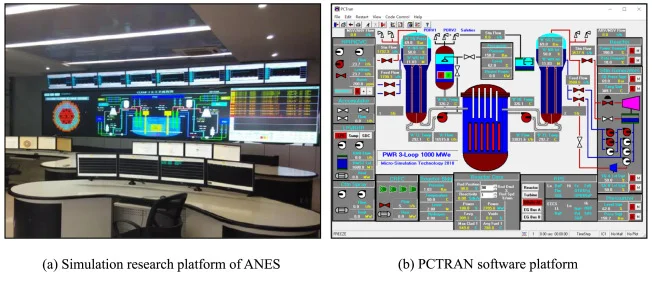
This development is particularly significant for nuclear safety engineers and plant operators seeking to modernize fault detection systems. By leveraging advanced artificial intelligence to analyze complex reactor data, the model provides a practical solution for identifying catastrophic failures before they escalate. The research utilizes data automatically collected via self-developed AutoSave-PCTRAN software, ensuring that the training datasets reflect realistic operational scenarios generated by the PCTRAN simulator.
The Hybrid Architecture: Transformer Meets XGBoost
The core innovation lies in the model's dual-stage architecture. First, the Transformer model utilizes its self-attention mechanism to extract intricate temporal features from the reactor's operational data. This step is crucial for understanding the time-dependent behavior of nuclear parameters. Following feature extraction, the system employs XGBoost as the classifier. To optimize performance, the researchers used an RWOA (algorithm) to fine-tune the XGBoost hyperparameters, ensuring the model operates at peak efficiency.
For feature selection, the team implemented a rigorous 10-fold cross-validation process combined with recursive feature elimination. This methodology allowed the system to isolate key nuclear parameters that are most indicative of system health, filtering out noise that often confuses less sophisticated diagnostic tools.
Critical Fault Detection Capabilities
The model's reliability was tested against some of the most severe fault scenarios known in nuclear engineering. According to the study, the system effectively identified specific faults including:
- Loss of Coolant Accident (LOCA): A critical failure where coolant escapes the reactor cooling system.
- Steam Line Break Inside Containment (SLBLC): A rupture in the main steam line within the containment structure.
- Steam Generator B-tube Rupture (SGTR-B): A breach in the tubes of the steam generator, potentially allowing radioactive material to bypass containment.
By achieving a 99.46% accuracy rate in classifying these specific faults, the model confirms its potential for real-world application in CPR1000 reactors, moving beyond theoretical simulation into the realm of practical industrial safety.
My Take
The integration of Transformer architecturestypically associated with Large Language Modelsinto industrial control systems represents a massive shift in how we approach energy security. While XGBoost has long been a staple for structured data, pairing it with the temporal awareness of Transformers allows for a depth of analysis that static models cannot match. For the CPR1000 fleet, this could mean the difference between a controlled shutdown and a critical safety incident. As AI regulation tightens, these "safety-first" applications of AI will likely become the gold standard for industry adoption.
This article was written by AI from reporting by nature.com.