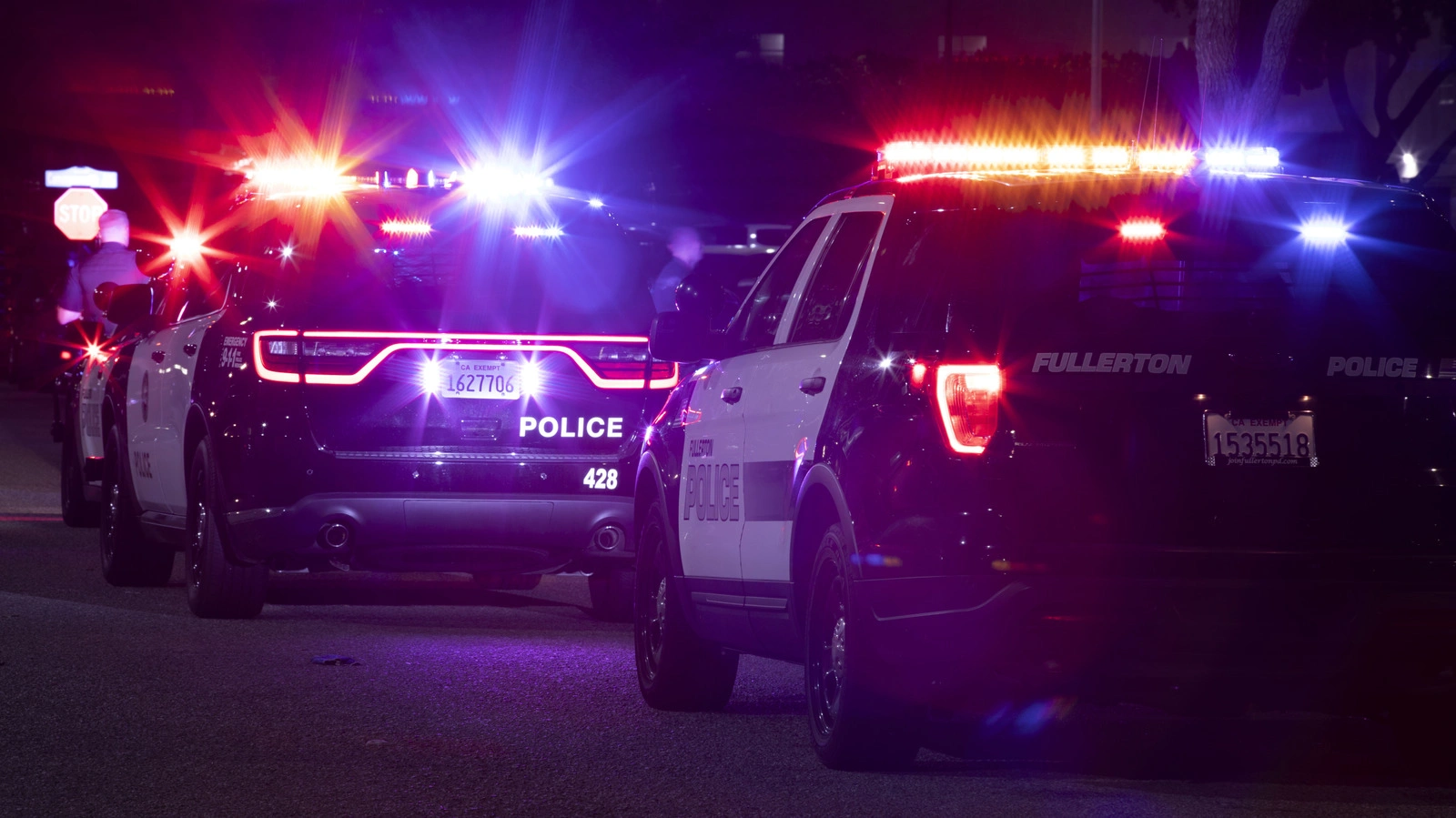
Removing a vehicle's license plate is often the first instinct for drivers attempting to evade law enforcement, operating under the antiquated belief that anonymity grants immunity. However, in the landscape of 2026, modern policing relies on a sophisticated mesh of surveillance technology, data analytics, and aerial support that renders the physical license plate just one of many data points used for identification. For drivers, understanding this technological disparity reveals why this tactic not only fails but often escalates the severity of the legal consequences.
Beyond the Plate: AI and Vehicle Fingerprinting
The primary misconception is that Automatic License Plate Recognition (ALPR) systems are solely dependent on alphanumeric characters. Modern ALPR systems, integrated into police cruisers and stationary infrastructure, utilize advanced computer vision and machine learning algorithms. These systems do not just 'read' text; they perform what is known as 'vehicle fingerprinting.' Even without a plate, the software analyzes the vehicle's make, model, color, and unique physical identifierssuch as bumper stickers, dents, aftermarket modifications, or distinct wheel patterns. This data is instantly cross-referenced with databases of stolen or suspect vehicles matching that description in the vicinity.
Furthermore, the absence of a plate is, in itself, a high-priority trigger for these systems. An ALPR camera scanning traffic will flag a vehicle with a missing plate as an anomaly, alerting officers immediately. Instead of blending in, a plateless car becomes a digital beacon, signaling intent to conceal identity. This shifts the police response from a routine traffic stop to a high-risk felony stop protocol, often justifying more aggressive pursuit tactics.
Aerial Surveillance and Thermal Imaging
Once a chase initiates, the ground game becomes secondary to aerial dominance. Police helicopters and drones are equipped with military-grade FLIR (Forward-Looking Infrared) cameras. These thermal imaging systems track the heat signature of a vehicle's engine and tires, making visual camouflage irrelevant. Whether a driver turns off their headlights or attempts to hide under an overpass, the heat radiation remains visible to aerial units for a significant period.
In this scenario, the license plate is entirely irrelevant. The aerial unit communicates the vehicle's precise location, speed, and direction to ground units. The 'eye in the sky' allows patrol cars to back off to safer distances while maintaining a relentless lock on the target, waiting for the vehicle to run out of fuel or for the driver to make a mistake.
Projectile Tracking Technology: The StarChase System
One of the most effective countermeasures against high-speed evasion is the deployment of projectile GPS trackers, such as the StarChase system. Mounted on the grille of a police cruiser, this system uses compressed air to launch a sticky GPS tag onto the fleeing vehicle. Once attached, the tag transmits real-time coordinates to the dispatch center.
This technology fundamentally changes the dynamics of a pursuit. Officers can deactivate their sirens and stop the physical chase, reducing danger to the public. The suspect, believing they have successfully outrun the police, will eventually slow down and park. However, the GPS tag continues to broadcast their location, allowing officers to surround the vehicle and execute an arrest when the suspect is stationary and unsuspecting.
| Tracking Technology | Mechanism | Evasion Difficulty |
|---|---|---|
| Advanced ALPR | AI-based visual analysis of make, model, and unique features. | High: Identifies vehicle even without plates. |
| FLIR (Thermal) | Infrared heat detection from aerial units. | Extreme: Cannot be blocked by turning off lights. |
| StarChase GPS | Physical projectile tracker attached to the vehicle. | Impossible: Requires physical removal of the tag. |
| Connected Traffic Cams | Networked city cameras with predictive routing. | High: Tracks movement across city grids. |
The VIN and Forensic Identification
Even if a driver manages to abandon the vehicle without being caught immediately, the car itself remains a massive piece of evidence. Every vehicle manufactured has a Vehicle Identification Number (VIN) stamped in multiple locationsnot just on the dashboard and door jamb, but often on the engine block, transmission, and hidden chassis components. Law enforcement can easily trace the VIN to the registered owner. If the VIN has been tampered with, forensic mechanics can recover numbers from other parts or use the vehicle's onboard computer (ECU) data to retrieve the digital ID, leading police directly to the owner's doorstep.
Frequently Asked Questions
Does removing a license plate prevent speed cameras from catching me?
While it may stop automated ticketing machines that rely solely on OCR, it flags you to every passing police patrol and ALPR system as a priority target, leading to immediate human intervention.
Can police track a car if it has no electronics?
Yes. Visual identification, thermal imaging, and physical surveillance do not require the suspect vehicle to have active electronics or GPS.
Is it illegal to cover a license plate with a tinted cover?
In most jurisdictions, any covering that obscures the plate from being clearly visible at a certain distance or by electronic readers is illegal and provides probable cause for a traffic stop.
My Take
The notion that removing a license plate provides anonymity is a dangerous fallacy in the age of digital policing. The technology available to law enforcement in 2026 has far outpaced analog evasion tactics. Attempting to hide your identity by removing a plate is akin to wearing a neon sign that says 'I have something to hide.' It escalates a potential traffic infraction into a serious criminal pursuit where the odds are overwhelmingly stacked against the driver due to thermal, AI, and GPS superiority.
This article was written by AI from reporting by slashgear.com.