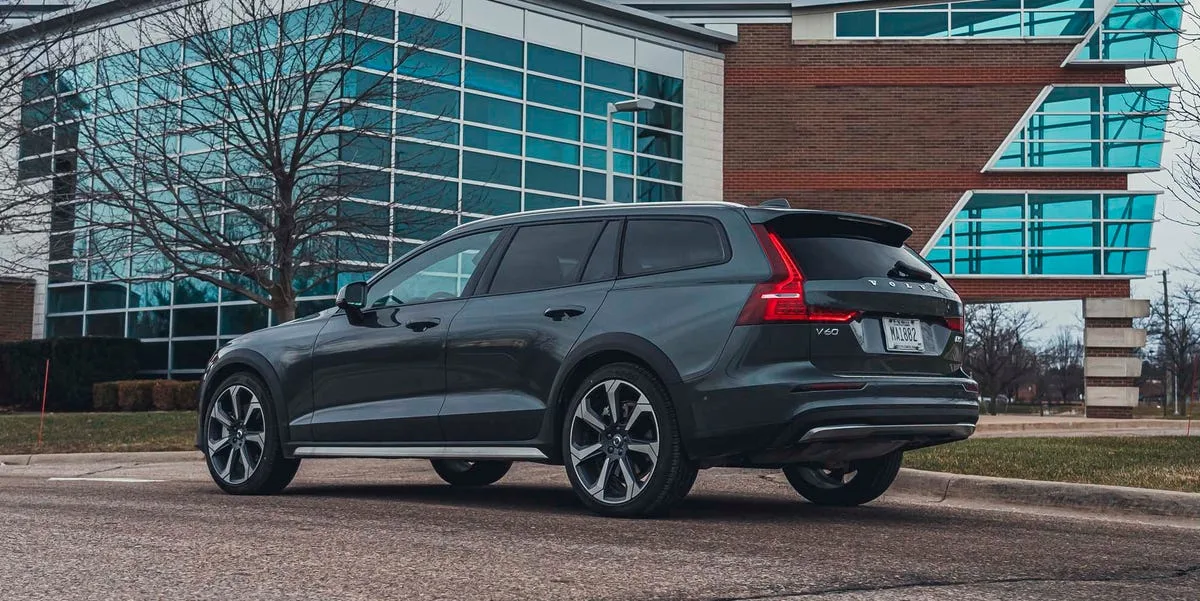
Volvo is reportedly preparing to resurrect the station wagon in the United States, this time with a fully electric powertrain. According to a new report from Automotive News, the Swedish automaker is developing a new electric sedan and wagon for the European market, with plans to introduce both models to US dealerships by 2028.
The upcoming EVs are expected to share the SPA3 platform with the highly anticipated EX60 SUV, which is slated to launch later this year. While Volvo recently discontinued the V60 and V90 in the US after the 2026 model year, this move signals a strategic pivot back to the brand's longroof heritage.
Expected Pricing and Potential Naming Strategy
Industry insiders suggest these new models will likely adopt the 60- or 70-series nomenclature. Following the naming convention of the overseas ES90, the new sedan could be dubbed the "ES60," while the wagon might take the "EV60" badge. A rugged Cross Country variant is also reportedly under consideration.
Pricing is projected to start in the low-$50,000 range, making them highly competitive in the premium EV segment. Production will take place in Europe, and Volvo is maintaining conservative expectations for the US market, targeting a combined sales volume of roughly 10,000 units annually.
We believe that the market may have gone a bit too far into a single SUV market. I don't think 10 years from now, we will only have SUVs from Volvo.
- Håkan Samuelsson, Volvo
The Calculated Risk of the Anti-SUV Pivot
While targeting just 10,000 units annually in the US seems incredibly low for a major automaker, it reflects a highly calculated strategy by Volvo to capture a niche demographic that competitors have abandoned. By utilizing the shared SPA3 architecture from the high-volume EX60, Volvo minimizes its R&D and production risks for these lower-volume models. This allows them to test the waters for a wagon revival without betting the farm.
Furthermore, as aerodynamic efficiency becomes the ultimate battleground for EV battery range, the lower profile of sedans and wagons offers a distinct engineering advantage over bulky SUVs. This aerodynamic superiority could potentially give the "EV60" a much better highway range, attracting pragmatic EV buyers who prioritize efficiency over ride height.
This article was written by AI from reporting by caranddriver.com.