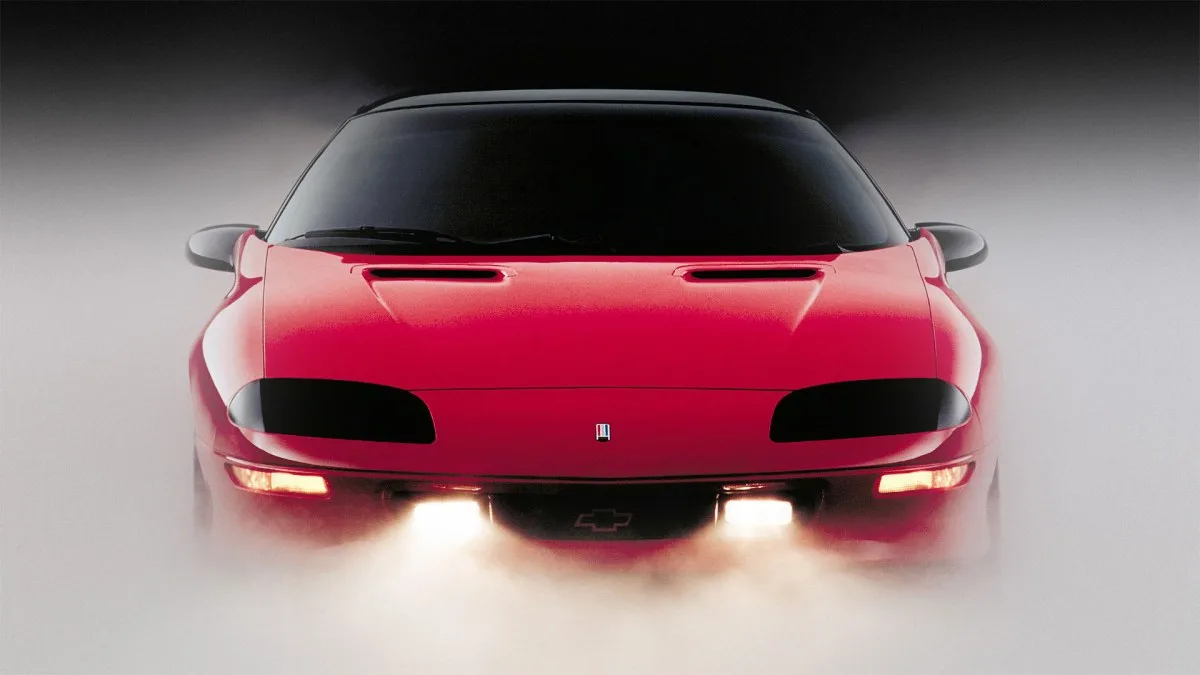
General Motors is reportedly orchestrating a major return to traditional car segments, headlined by a highly anticipated Chevy Camaro revival. As the automotive industry balances legacy performance with next-generation EV technology, a wave of new developments - from critical safety recalls to high-profile executive moves - is reshaping the market. Automakers are simultaneously refining their software systems to prevent physical hazards while forging new partnerships to power the next era of luxury vehicles.
The GM Car Comeback: Chevy Camaro Revival and Beyond
According to reports from Automotive News citing a major supplier, General Motors is developing a next-generation Chevy Camaro, a new Cadillac CT5, and an unannounced Buick sedan. These three vehicles are expected to share a unified platform, signaling a renewed commitment to coupes and sedans in an SUV-dominated market. By utilizing a shared architecture, GM aims to streamline production costs while keeping its iconic nameplates alive.
Bolstering this design shift, Hussein Al Attar, the designer behind the previous-generation BMW M2, has officially departed the German automaker. According to BMW Blog, Al Attar will now head GM’s Advanced Design Studio in Pasadena, California, bringing his expertise in aggressive, performance-oriented styling to the American brand's upcoming lineup.
Critical Safety Updates: Hyundai and Ford Recalls
Hyundai has officially resumed sales of the Palisade SUV following a tragic power seat malfunction that resulted in a two-year-old child's fatality in Ohio. To address the fatal flaw, Hyundai is deploying a critical software update that modifies how the seats behave. According to Reuters, the patch updates the conditions required to stow the seats and significantly enhances the system's object and occupant detection capabilities.
Meanwhile, Ford is issuing a targeted recall for 3,170 Maverick trucks and Bronco Sport SUVs. Autoblog reports that the recall is due to faulty occupant detection sensors for the front-passenger airbags, which could result in a failure to deploy during a collision. Ford will replace these sensors in all affected models free of charge to ensure passenger safety.
Other Notable Industry Updates
- BMW i7 Battery Tech: The upcoming BMW i7, set to debut later this month in Beijing, will feature a battery system co-developed and manufactured by Rimac at their facility in Zagreb, Croatia.
- 2027 Toyota Land Cruiser Pricing: Toyota has officially announced that the 2027 Land Cruiser will start at $59,375 (including destination fees), representing a modest $280 increase over the previous model year.
- McLaren's Future Strategy: New McLaren CEO Nick Collins confirmed to Autocar that the brand will reveal its updated business strategy and upcoming models this summer, potentially including a new concept indicative of future design directions.
- Mercedes-Benz Milestone: The Mercedes-Benz manufacturing plant in Tuscaloosa, Alabama, recently celebrated the production of its 5 millionth SUV after 31 years of operation.
Strategic Shifts in the Auto Market
The rumored Chevy Camaro revival and shared platform strategy indicate that GM is not entirely abandoning the internal combustion or traditional sedan markets, even amid its heavy EV investments. By consolidating the Camaro, Cadillac CT5, and a new Buick sedan onto a single architecture, GM can maximize production efficiency while catering to enthusiasts who still demand classic car form factors. Hiring a prominent BMW M2 designer further proves GM is serious about the aesthetic appeal of these upcoming models.
Furthermore, the Hyundai Palisade situation highlights a growing reality in modern automotive engineering: physical hardware safety is increasingly dependent on software logic. As vehicles become more complex, the ability to deploy software updates to fix mechanical safety hazards will become a standard, yet highly scrutinized, industry practice. Automakers must now treat software QA with the same life-or-death rigor as traditional crash testing.
This article was written by AI from reporting by thedrive.com.