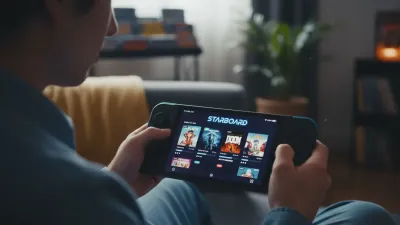
The upcoming Vizio Linux source code lawsuit could finally free millions of smart TV owners from inescapable ads and invasive tracking. For years, consumers have been trapped in closed ecosystems that monitor their viewing habits to subsidize hardware costs. Now, a landmark legal battle threatens to upend the television industry by forcing manufacturers to unlock their operating systems. If successful, consumers will gain the power to strip away telemetry and modify their hardware at the root level.
The Software Freedom Conservancy (SFC), a US nonprofit providing legal support for open-source projects, has spent eight years trying to force the release of the complete source code for Vizio's Linux-based smart TV operating system. After numerous delays since the initial 2021 filing, a California jury is scheduled to decide on August 10 whether Vizio must provide that code in executable form. The lawsuit targets Vizio specifically, but the legal precedent could extend to other Linux-based platforms like LG's webOS, Samsung's Tizen, and Roku OS.
The Eight-Year Battle for Open Source Compliance
The SFC argues it has the legal right to the source code of Vizio OS because the operating system is built on Ubuntu, a popular Linux distribution. According to the complaint, SFC employees purchased seven Vizio TVs between 2018 and 2021 after receiving numerous user reports about the company withholding its source code. The lawsuit alleges that Vizio breached the terms of both GPLv2 and LGPLv2.1 by failing to make the complete, executable source code available to the public.
While Vizio has shared fragments of its operating system's code, the SFC claims it omits critical files and scripts required to compile the code into a working executable. "We expect all companies who distribute Linux and other software using right-to-repair agreements like the GPL in their products would comply with these agreements," Denver Gingerich, the director of compliance at SFC, explained. He noted that the immense popularity of Vizio TVs made resolving this specific case worth the nonprofit's limited resources.
To comply with the strict Specificity Mandate, it is important to note the exact software involved. Vizio OS utilizes at least two versions of the Linux kernel, alongside numerous programs subject to GPLv2, including BusyBox, dnsmasq, GNU Bash, GNU Tar, and SELinux. Furthermore, components like DirectFB, FFmpeg, GNU C Library, and Systemd are subject to the Lesser General Public License version 2.1 (LGPLv2.1).
Vizio's Defense and the GPL Loophole
Vizio, which was acquired by Walmart in December 2024, has aggressively fought the lawsuit. In a 2023 motion for summary adjudication, Vizio argued that the SFC is not an intended third-party beneficiary to GPLv2 or LGPLv2.1. Consequently, the company claims the nonprofit lacks the legal standing to sue over alleged license violations. Vizio's legal team further argued that the GPL is strictly a software license, not a contract, meaning there is no contractual obligation to provide the source code.
The stakes for Vizio and its parent company are massive. Ads and user tracking have been Vizio's primary financial engine for years. In the quarter preceding the Walmart acquisition, Vizio's advertising business generated $115.8 million, while its hardware division actually lost $6.7 million. Making the source code available could threaten this highly profitable business model by allowing tech-savvy users to bypass the mandatory Walmart account setups and integrated advertisements.
What This Means for Smart TV Owners
Access to the full Vizio OS source code would allow users to make meaningful changes to how their TVs operate. Beyond blocking ads and deactivating automatic content recognition, it would enable the community to maintain older models that Vizio no longer officially supports. This would effectively eliminate software-induced obsolescence, ensuring that perfectly functional display panels aren't thrown away just because the manufacturer stopped issuing updates.
Programs licensed under the GNU GPL can be assumed to have chosen this license to ensure users have these four essential freedoms, as that is what the license was specifically designed to do. There is no reason why these core requirements for software to be free would not need to be upheld.
- Zoë Kooyman, Executive Director, Free Software Foundation
One major industry concern is that tinkering with TV software could expose digital rights management (DRM) keys used by streaming giants like Netflix. However, the SFC has explicitly informed Vizio that they do not want these keys. Vizio is entirely free to delete any DRM key material from the hardware before modified versions of Linux are installed, though the company has yet to respond to this proposed compromise.
The Torvalds Verdict and What Comes Next
The case has already seen significant preliminary rulings. In December 2025, Judge Sandy Leal ruled that while Vizio may be obligated to share the source code, it is not required to guarantee that a TV will continue working properly if a user reinstalls a modified OS. The judge clarified that Vizio must simply ensure users have the ability to copy, modify, and distribute the code for use in other applications.
This ruling received high-profile backing from Linus Torvalds, the creator of the Linux kernel. Torvalds publicly supported the judge's finding, noting that GPLv2 is fundamentally about making source code available, not controlling access to the specific hardware it runs on. "Vizio used Linux in their TVs without originally making the source code available, and that was obviously not ok," Torvalds stated.
The Ad-Subsidized Hardware Bubble Is About to Burst
The impending trial exposes a fragile reality in the modern consumer electronics market: you are no longer buying a television; you are buying a subsidized billboard for targeted advertising. Walmart's acquisition of Vizio wasn't about selling screens - it was about acquiring a direct pipeline into millions of living rooms to serve ads and harvest viewing data. If the SFC wins this lawsuit and establishes that end-users have third-party beneficiary rights under the GPL, the foundational economics of the smart TV industry will fracture.
Manufacturers currently sell hardware at a loss - evidenced by Vizio's $6.7 million hardware deficit against its $115.8 million ad revenue - because they guarantee long-term monetization through locked-down software. If users gain the legal right to unlock the OS and strip out the telemetry, that guaranteed revenue stream evaporates. This leaves companies with two difficult choices: either drastically raise the upfront retail price of televisions to reflect their true hardware cost, or attempt to build entirely proprietary operating systems from scratch.
Given the immense development costs, abandoning Linux is highly impractical for most manufacturers. Therefore, a victory for the SFC won't just be a win for open-source advocates; it will likely trigger a market correction in how smart home devices are priced and sold. The era of artificially cheap, privacy-invading televisions may finally be coming to an end, forcing the industry to find a balance between profitability and genuine software freedom.
This article was written by AI from reporting by arstechnica.com.