Researchers at the Tokyo University of Science have uncovered a major sodium-ion battery breakthrough that could eventually challenge the dominance of lithium-ion technology. By utilizing hard carbon as an anode, scientists discovered that sodium-ion cells can achieve significantly faster charging rates and higher energy storage capacities than previously thought possible. For electric vehicle (EV) manufacturers and consumer electronics developers, this advancement offers a viable path toward cheaper, safer, and more environmentally friendly power sources.
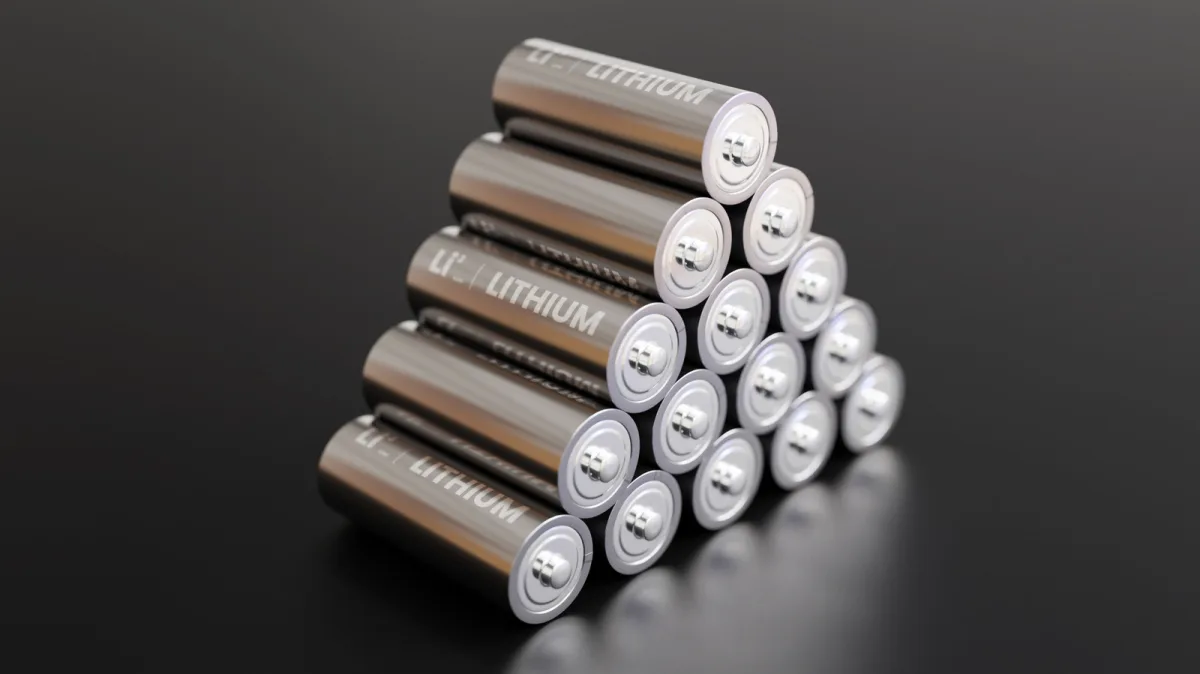
In the modern era, lithium-ion has become the undisputed standard for reusable battery technology, powering everything from smartphones to electric cars. While these batteries offer respectable power and durability, they are plagued by supply chain constraints, high production costs, and safety concerns regarding flammability. Sodium-ion batteries, which utilize sodium as a charge carrier instead of lithium, have long been viewed as a promising alternative, though they historically lagged behind in energy density.
The Hard Carbon Advantage
The recent study from the Tokyo University of Science focused specifically on the benefits of using hard carbon as the anode material within sodium-ion cells. The researchers found that this highly porous material is capable of storing exceptionally high quantities of sodium. Under specific conditions, the rate of sodiation - the process of sodium ion insertion into the anode - was significantly higher than the rate of lithiation in the exact same material.
This accelerated sodiation means that the charging rate of a sodium-ion battery equipped with a hard carbon anode can actually outpace that of a lithium-ion battery using hard carbon. Furthermore, the charging speeds are comparable to lithium-ion batteries that use the more common graphite anodes. Crucially, the integration of hard carbon also addresses the historical weakness of sodium-ion tech by substantially improving its overall energy density.
Environmental and Economic Impact
Beyond raw performance metrics, the shift toward sodium-ion technology carries massive logistical and environmental benefits. Sodium is vastly more abundant in nature than lithium, meaning its extraction relies on a significantly less strained and more sustainable global supply chain. This abundance directly translates to lower production costs, which could eventually lower the retail price of EVs and large-scale energy storage systems.
Additionally, sodium-ion batteries are inherently safer and easier to transport. They carry a drastically decreased risk of catching fire compared to volatile lithium-ion cells. While they may not completely eliminate flammability risks like experimental water-based batteries, their stable chemistry makes them a highly attractive option for mass manufacturing.
My Take
While this hard carbon breakthrough is highly promising, sodium-ion batteries will not dethrone lithium-ion overnight. The primary engineering hurdle remains preventing speed-limiting "ion traffic jams" to ensure the sodiation process is consistently fast and efficient over thousands of charge cycles. However, as the EV market faces intense pressure to produce sub-$25,000 vehicles, the economic advantages of sodium-ion technology cannot be ignored. Expect to see this technology commercialized first in grid-level energy storage and budget-tier electric vehicles, where absolute peak energy density is less critical than overall cost and safety.
Frequently Asked Questions
What makes sodium-ion batteries better than lithium-ion?
Sodium is far more abundant and cheaper to source than lithium, making the batteries less expensive to produce. They are also safer to ship and have a lower risk of catching fire.
What is the role of hard carbon in this breakthrough?
Hard carbon acts as a highly porous anode that allows for rapid "sodiation" (sodium ion insertion). This enables the battery to charge faster and store more energy, closing the performance gap with lithium-ion cells.
When will sodium-ion batteries replace lithium-ion?
While sodium-ion batteries are already seeing limited use in some vehicles, widespread replacement will take time. Researchers must first solve efficiency issues, such as "ion traffic jams," to ensure consistent long-term performance.