

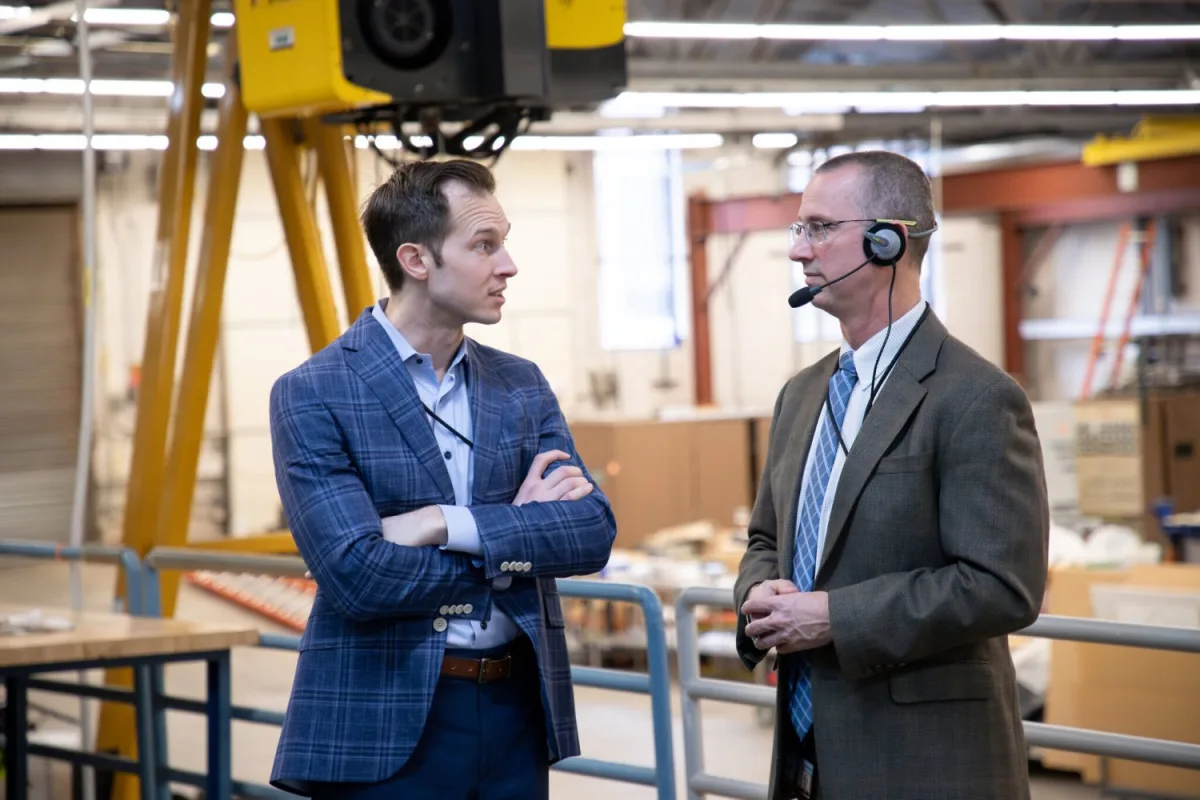
Millimeter-wave drilling is shattering the geographic limitations of traditional geothermal energy, unlocking a path to clean, baseload power anywhere on Earth. Recently showcased to U.S. Representative Jake Auchincloss at the MIT Plasma Science and Fusion Center (PSFC), this technology leverages high-temperature superconducting (HTS) magnets to vaporize solid rock. For clean-tech investors, energy grid planners, and policymakers, this innovation provides a viable roadmap to tap into superhot rock geothermal energy at unprecedented depths, bypassing the mechanical failures of conventional contact drills.
The core challenge with deep geothermal energy has always been the physical limits of drilling equipment. Reaching temperatures of nearly 400 degrees Celsius requires descending several kilometers into the Earth's crust, where traditional drill bits quickly degrade or fail entirely. By replacing mechanical force with directed microwave energy, drilling rates can scale directly with input power, making deep-earth access economically feasible even in regions historically deemed unsuitable for industrial geothermal projects, such as the eastern United States.
The Mechanics of Vaporizing Rock
The foundation of this breakthrough lies in HTS magnet technology, originally developed to confine plasma in fusion reactors. Researchers at the PSFC have adapted these high-field electromagnets to power gyrotrons - devices that generate high-power microwaves. When applied to geothermal extraction, these millimeter-waves operate at exceptionally high frequencies to heat, melt, and ultimately vaporize rock without physical contact.
This non-contact approach drastically alters the economics of geothermal energy. Because the costs associated with millimeter-wave drilling increase far less rapidly with depth compared to conventional methods, utility-scale deployment becomes a realistic target. MIT researchers, alongside spinout company Quaise Energy, are actively transitioning this technology from laboratory theory to real-world application.
Real-World Testing and Future Facilities
The transition to commercial viability is already underway. Last fall, Quaise Energy successfully completed a drilling demonstration in Texas using gyrotron-based millimeter-wave technology. To accelerate this momentum, the PSFC is currently planning a dedicated laboratory facility in collaboration with the Earth Resources Laboratory (ERL), directed by Oliver Jagoutz.
According to Steve Wukitch, interim director at PSFC, the new facility will test millimeter-wave drilling under representative pressure and temperature conditions using realistic rock samples. The initiative integrates geophysics, geochemistry, and artificial intelligence to de-risk deployment pathways and mature the technology within an integrated academic-industry ecosystem.
The Missing Link for Baseload Power
The push toward superhot geothermal energy represents a critical pivot in the global clean energy strategy. While solar and wind are essential, their intermittent nature requires massive battery storage infrastructure. Geothermal offers firm, baseload power that runs 24/7, and millimeter-wave drilling is the key to unlocking it globally, rather than just in geologically active hotspots like Iceland or California.
Representative Auchincloss's observation that this technology could thrive in "cool rock" states like Massachusetts highlights the massive economic implications. If Quaise Energy and MIT can successfully scale gyrotron drilling to utility levels, it will not only lower utility bills but also create an entirely new industrial sector. The successful Texas demonstration proves the physics work; the next phase is purely about engineering scale and cost reduction.
